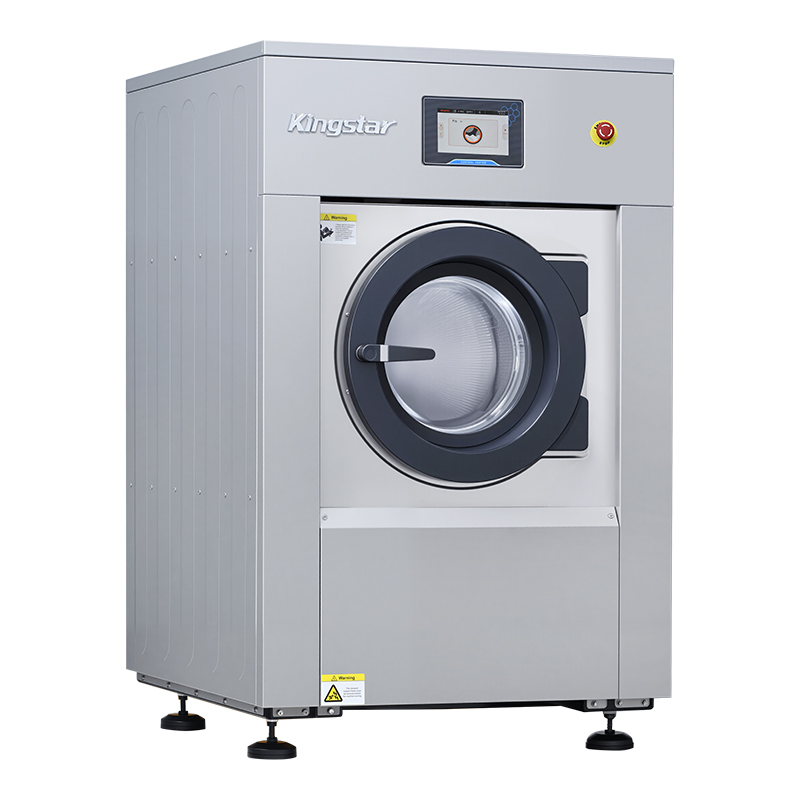
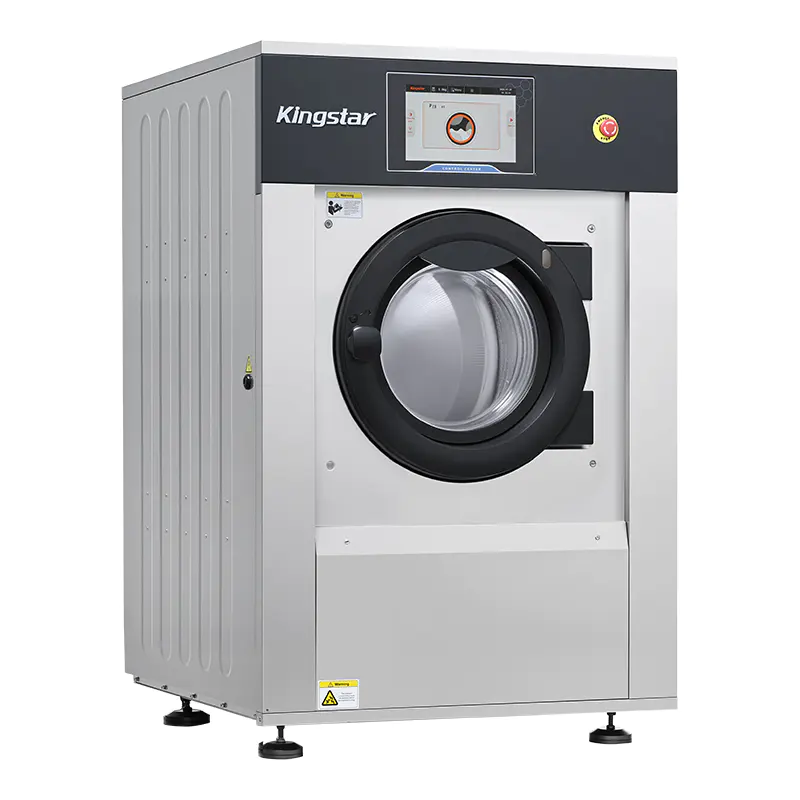
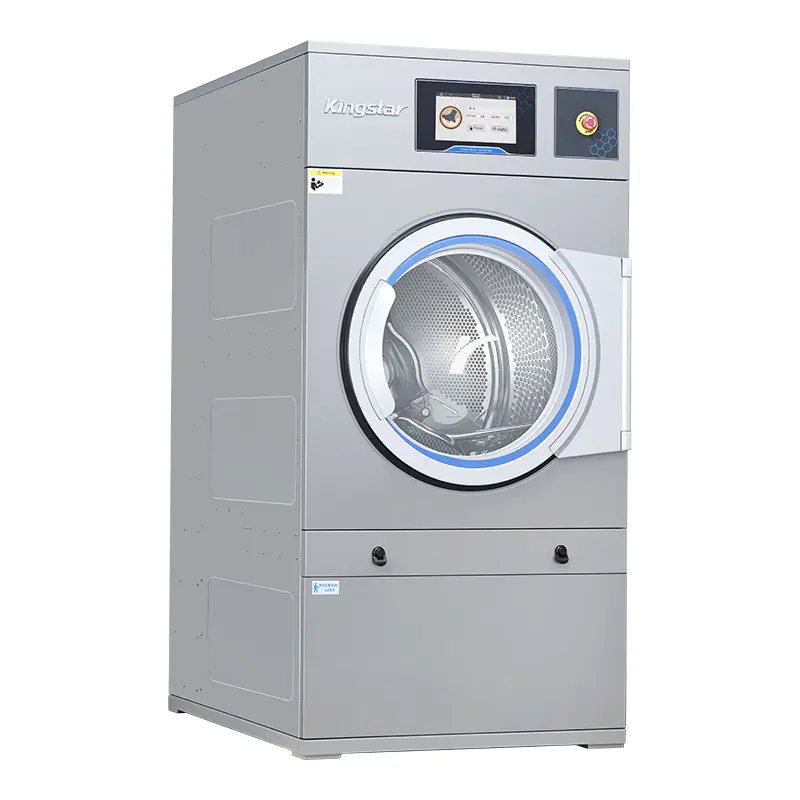
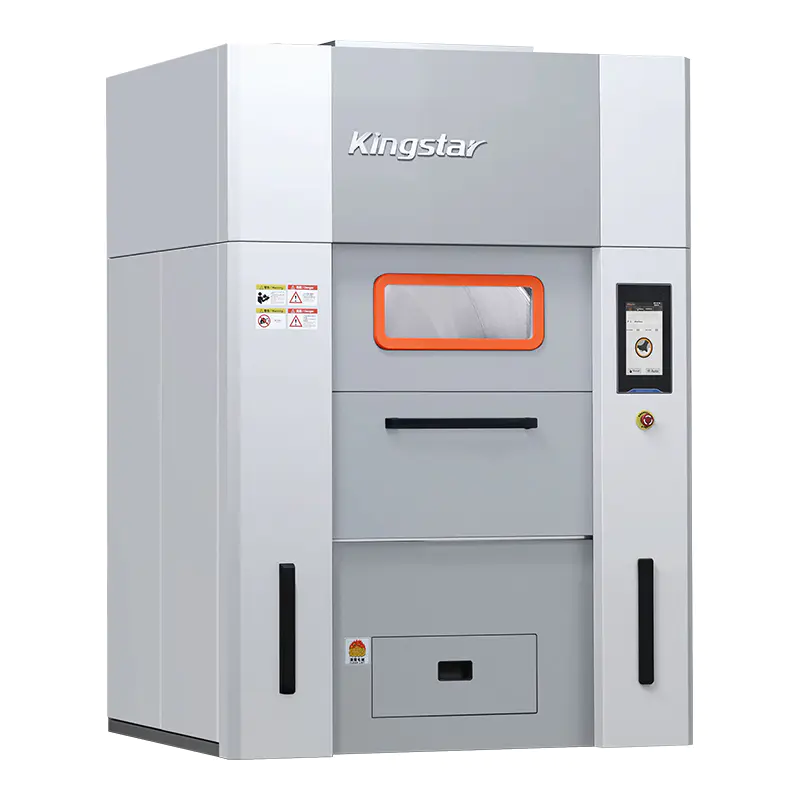
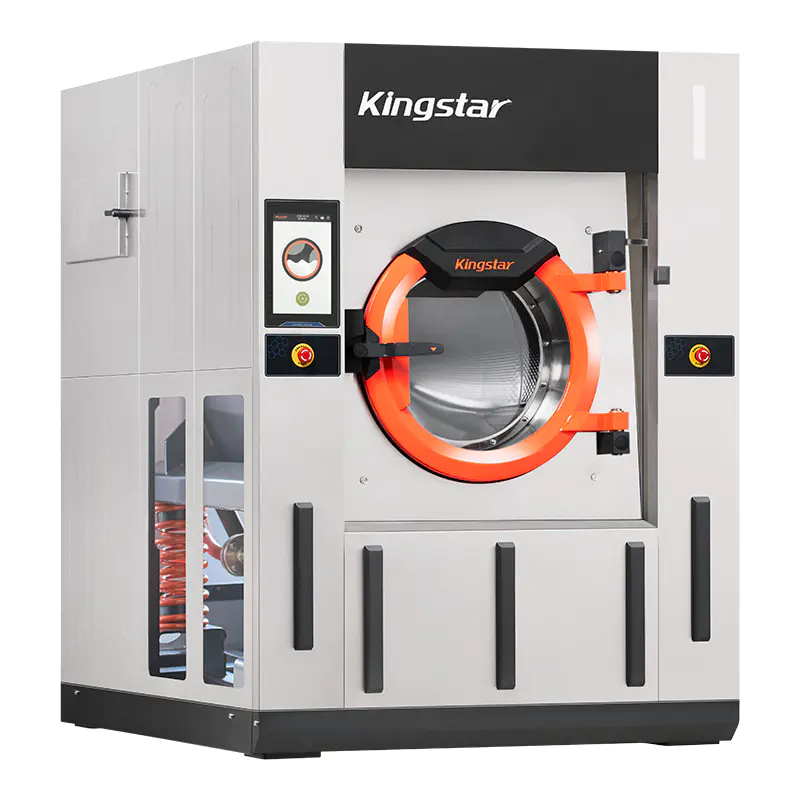
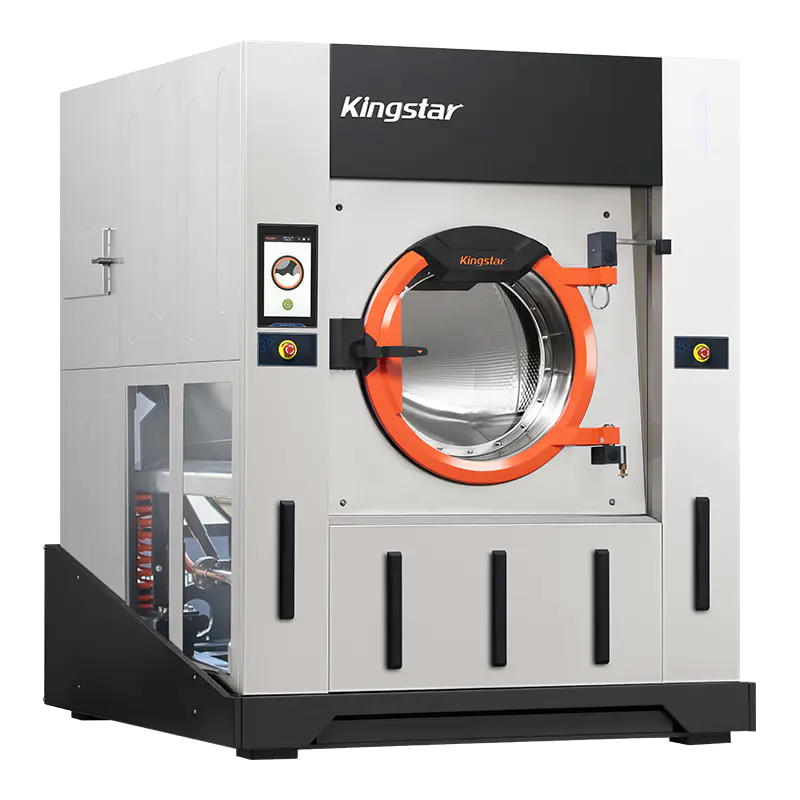
The laundry tunnel washer, also commonly integrated into industrial washer and dryer systems, plays an essential role in continuous batch-wash operations. Its purpose is to process large quantities of linens, garments, or uniforms within a controlled sequence of compartments that perform washing, rinsing, and extraction. Because it functions as a central component in high-capacity laundry lines, the question of its failure rate and the potential for production disruption becomes critical for operators in hospitals, hotels, textile processing plants, and commercial laundry facilities using powerline laundry equipment or wholesale washer and dryers. Understanding how often a tunnel washer fails requires examining mechanical design, operating conditions, maintenance schedules, and worker handling practices. Failure rate is not a standardized figure applicable to all models, since each manufacturer and operating environment introduces variables that influence long-term reliability. However, general industry experience indicates that a well-maintained laundry tunnel washer exhibits a relatively stable operational pattern when managed according to prescribed standards.
Failure rate also depends on the relationship between continuous throughput and machine load balance. Tunnel washers are engineered with multiple modules, each containing specific tasks such as pre-wash, main wash, neutralizing, and rinse. A single malfunctioning module can influence subsequent processes, causing productivity loss. Yet, the overall predictability of failure remains favorable compared to older batch-wash systems, mainly because tunnel washers distribute workflow evenly across compartments. This distribution lowers stress on individual components. When comparing tunnel washers to traditional industrial washer and dryer units, the continuous-flow design reduces downtime risks related to load transitions. Still, this advantage depends on consistent monitoring and adherence to manufacturer guidelines.
When examining how easily a laundry tunnel washer breaks down, it is necessary to identify the internal and external factors that influence its operation. Mechanically, tunnel washers include rotating drums or tunnels, progressive compartments, hydraulic or pneumatic transfer systems, drive motors, loading conveyors, and chemical dosing mechanisms. Any of these components can experience issues if subjected to excessive wear. For example, misalignment in the drive system or wear on bearings can gradually lead to reduced rotation efficiency. Similarly, pump assemblies that manage water flow within tunnels may experience operational inconsistencies due to fluctuations in water pressure or blockage from residual debris. These issues do not typically appear suddenly but develop over time due to accumulating strain, making preventive maintenance the essential practice for maintaining functionality.
External conditions also shape breakdown risk. Facilities using powerline laundry equipment often operate in environments where humidity, chemical exposure, and heat vary throughout the day. High ambient humidity may affect electronic controls, while chemical overdosing can corrode metallic pathways. Frequent fluctuations in water quality may introduce sediment into pipes, increasing wear on valves and pumps. In facilities processing heavily soiled textiles, solid contaminants such as zippers or metal fragments can damage internal surfaces. These operational factors highlight the importance of load inspection and pre-sorting practices. The failure rate is rarely tied to a single point of weakness; instead, it emerges from combined operational stresses.
The degree of complexity within laundry tunnel washers results in different categories of breakdowns. Some breakdowns involve control system inconsistencies caused by sensor miscalibration or communication errors. Others are mechanical, such as damaged paddles, worn seals, or belt slippage. Additionally, thermal-related issues may occur if heating elements experience mineral buildup. Understanding each category allows facilities to plan more accurate preventive measures. Because tunnel washers run continuously, even small inefficiencies accumulate into operational delays. Yet, the overall robustness of these machines, especially when compared to older alternatives or basic wholesale washer and dryers, ensures that breakdowns are often predictable and manageable with proper planning.
|
Breakdown Type |
Description |
|
Mechanical Wear |
Gradual abrasion on bearings, seals, paddles, or drive components |
|
Hydraulic or Pump Issues |
Blockages, inconsistent pressure, or valve deterioration |
|
Electrical or Sensor Failure |
Miscalibrated sensors, wiring degradation, or control board issues |
|
Thermal Inefficiency |
Mineral buildup affecting heaters or steam flow |
Maintenance routines represent the strongest influence on the equipment’s failure rate. Laundry tunnel washers are engineered to provide stable performance when serviced consistently. Routine tasks such as lubrication, alignment checks, valve inspections, and cleaning of sediment filters limit the accumulation of strain that can cause production interruptions. Facilities operating industrial washer and dryer systems often integrate maintenance logs to track performance patterns across weeks or months. These logs help identify early signs of potential failure. By reviewing temperature data, water flow patterns, motor torque readings, and chemical dosing levels, management teams can anticipate breakdowns before they disrupt production.
Planned maintenance is especially valuable for tunnel washers because their continuous-flow nature means that any unplanned stoppage affects all downstream processes. For example, if the water extraction module experiences a fault, washed textiles cannot progress to drying. This affects drying units, folding lines, and packaging systems. Facilities relying on powerline laundry equipment integrate predictive diagnostics to limit such disruptions. Modern systems may include smart monitoring modules that transmit sensor feedback to central control stations. This arrangement reduces uncertainty and ensures that failures remain uncommon rather than frequent.
Absence of regular servicing increases wear accumulation on critical mechanisms. Bearings may degrade faster, seals may break down, and pumps may operate under inconsistent pressure. Many tunnel washer failures stem from delayed maintenance rather than manufacturing faults. When compared to wholesale washer and dryers used in smaller operations, tunnel washers demand more structured maintenance because of their larger scale and continuous workflow. Still, this maintenance requirement is manageable with disciplined scheduling. Facilities that implement daily pre-operation checks, weekly inspections, and monthly system reviews usually experience stable long-term performance.
|
Maintenance Interval |
Typical Tasks |
|
Daily |
Check screens, verify chemical dosing, remove debris, inspect water flow |
|
Weekly |
Lubricate bearings, inspect seals, verify alignment |
|
Monthly |
Review diagnostics, calibrate sensors, clean heat exchangers |
|
Quarterly |
Deep component cleaning, pump inspection, structural review |
The degree to which a tunnel washer disruption affects production depends on the facility’s throughput, redundancy plans, and workflow structure. In large-scale laundry operations, a tunnel washer often manages a considerable percentage of incoming textiles. If the washer becomes non-functional, even temporarily, the entire textile cycle slows. This impacts sorting lines, extraction presses, dryers, and finishing equipment. In contrast, operations using multiple industrial washer and dryer units may distribute loads among machines to minimize downtime effects. However, in facilities where the laundry tunnel washer serves as the primary washing mechanism, a breakdown may cause immediate production delays.
The severity of disruption also depends on the machine’s position within the process sequence. If the breakdown occurs at the loading end, textiles cannot enter the system. If it occurs near the rinse or extraction sections, partially processed fabrics must be rerouted or temporarily stored. This introduces potential issues with hygiene control and process timing. Facilities using powerline laundry equipment typically maintain spare parts inventories to limit downtime. Maintaining components such as seals, paddles, pumps, and sensors allows technicians to conduct repairs quickly. With sufficient preparation, disruptions remain brief and manageable.
Environmental and personnel factors contribute to disruption length. If the laundry plant is located in an area where replacement components are not readily available, downtime extends. Similarly, limited technician experience can delay repairs. Conversely, facilities that invest in training programs for tunnel washer operation and repair often experience shorter interruptions. Some operators partner with manufacturers that offer remote diagnostic support. This approach helps guide local technicians through repair procedures using real-time data from sensors. Such practices increase operational continuity and lower the perceived difficulty of maintaining tunnel washer performance.
When comparing laundry tunnel washers with standard industrial washer and dryer systems, the difference in failure risk depends largely on workflow structure. Traditional washers handle batches independently, allowing facilities to isolate breakdowns. If one machine fails, another unit can continue operating. This structure reduces the immediate impact of a single malfunction. However, traditional washers may experience more frequent minor breakdowns due to repetitive loading cycles, drum stress, and the mechanical effort required for each batch. Tunnel washers, by contrast, experience continuous, balanced workloads, which helps distribute mechanical demand more evenly.
Another point of comparison is component distribution. Industrial washers consolidate mechanical load in fewer components, such as a single large drum and single drive system. This means stress accumulates faster in individual parts. Tunnel washers distribute this load across multiple compartments and transfer mechanisms. As a result, they are less prone to abrupt component overload. Yet, the complexity of tunnel washer systems introduces more points where minor adjustments may be needed. A malfunction in one compartment can affect the entire sequence, even if the rest of the system remains functional.
Facilities that use wholesale washer and dryers for medium-volume operations may find those systems easier to maintain due to their simpler layout. However, the efficiency and continuous cleaning capabilities of tunnel washers often outweigh the potential increase in maintenance complexity for large-scale operations. When maintenance planning is consistent, tunnel washers demonstrate stable reliability and predictable performance patterns. This makes them suitable for production environments requiring steady output and minimal variation in washing quality.
Reducing breakdown risks in laundry tunnel washers requires a combination of preventive maintenance, operator training, proper installation, and environmental management. Facilities that employ structured maintenance schedules experience fewer interruptions. Proper installation ensures alignment of mechanical components and stable water flow. Temperature control within the facility helps protect electronic components from humidity and heat. Chemical management also contributes to production stability. Using the correct chemical types and concentrations preserves interior surfaces and minimizes residue accumulation.
Operator training remains one of the strongest tools in lowering failure rates. Workers trained to monitor noise changes, vibration patterns, water flow irregularities, and chemical dosing discrepancies can identify early signs of malfunction. Early detection enables quick corrective action before minor issues escalate. Using diagnostic tools included with modern powerline laundry equipment also supports stable operation. These tools track data from sensors embedded in motors, valves, and transfer mechanisms. When analyzed routinely, the data provides insights into developing patterns that might indicate upcoming wear or misalignment.
Implementing redundancy strategies helps maintain workflow in case of equipment failure. Some facilities integrate backup washing modules or maintain smaller industrial washer and dryer units to manage overflow. This ensures that production does not stop entirely during tunnel washer repairs. In environments where tunnel washers are used extensively, planning for temporary rerouting procedures and backup drying strategies helps operators maintain stability. These strategies enable continuous textile processing and reduce the impact of unexpected downtime.
|
Risk Reduction Method |
Outcome |
|
Operator Training |
Earlier detection of malfunctions |
|
Environmental Control |
Improved protection for electronic and mechanical components |
|
Chemical Management |
Less residue buildup and corrosion |
|
Diagnostic Monitoring |
Predictive fault identification |
Real-world operating environments show that laundry tunnel washers exhibit stable failure frequencies when maintained consistently. Many facilities report uninterrupted operation for long stretches, requiring only routine servicing and minor adjustments. Major failures tend to occur when maintenance schedules lapse or when environmental factors place additional strain on components. Unexpected failures are less common in facilities that document motor torque readings, pump pressure consistency, and water quality variability as part of operational oversight.
Production facilities using tunnel washer systems often plan for annual overhauls, during which bearings, seals, paddles, and valves undergo detailed inspection or replacement. These procedures reduce the likelihood of mid-cycle failures during peak operational times. Facilities that combine tunnel washers with modern industrial washer and dryer technology may observe parallel improvements in productivity. This reinforces the importance of maintenance consistency in lowering failure frequency.
The failure rate of laundry tunnel washer equipment is influenced by operational discipline rather than inherent machine fragility. When operators follow structured schedules, monitor mechanical patterns, and maintain spare part inventories, breakdowns remain infrequent and manageable. While production disruptions may occur, proper planning minimizes their duration, allowing facilities to maintain stable throughput even during repair intervals. By integrating diagnostic tools, training programs, and preventive strategies, operators can maintain predictable performance and support long-term production efficiency.
ADD:No.388 Xinggang Road, Chongchuan District, Nantong City, 226000, Jiangsu Province, China.
Phone: +86-13917089379
Tel:+86-13917089379
Fax:+86-0513-85663366
E-mail:[email protected]
Cookies give you a personalized experience,Сookie files help us to enhance your experience using our website, simplify navigation, keep our website safe and assist in our marketing efforts. By clicking "Accept", you agree to the storing of cookies on your device for these purposes. Click "Adjust" to adjust your cookie preferences.For more information, review our Cookies Policy.