英语
英语 俄语
俄语 西班牙语
西班牙语 德语
德语
Selection of Bleaching Agents for Different Fabrics in Laundry Shops
In the cleaning and care of the textiles, bleaching agents are an important item to improve the cleanliness and luster of textiles. Currently, the most widespread bleaching agents in the market are oxygen bleach and chlorine bleach. Are there differences between their use? In fact, there are huge differences.
As the representative of the oxygen bleach, color-safe bleach has been the common choice in multi-scenic textile care because of its mild bleaching characteristics. Chlorine bleaching is applicable for the deep cleaning of specific white textiles because of its strong stain removal and bleaching ability. This article will give a thorough analysis of these two kinds of bleaching agents.
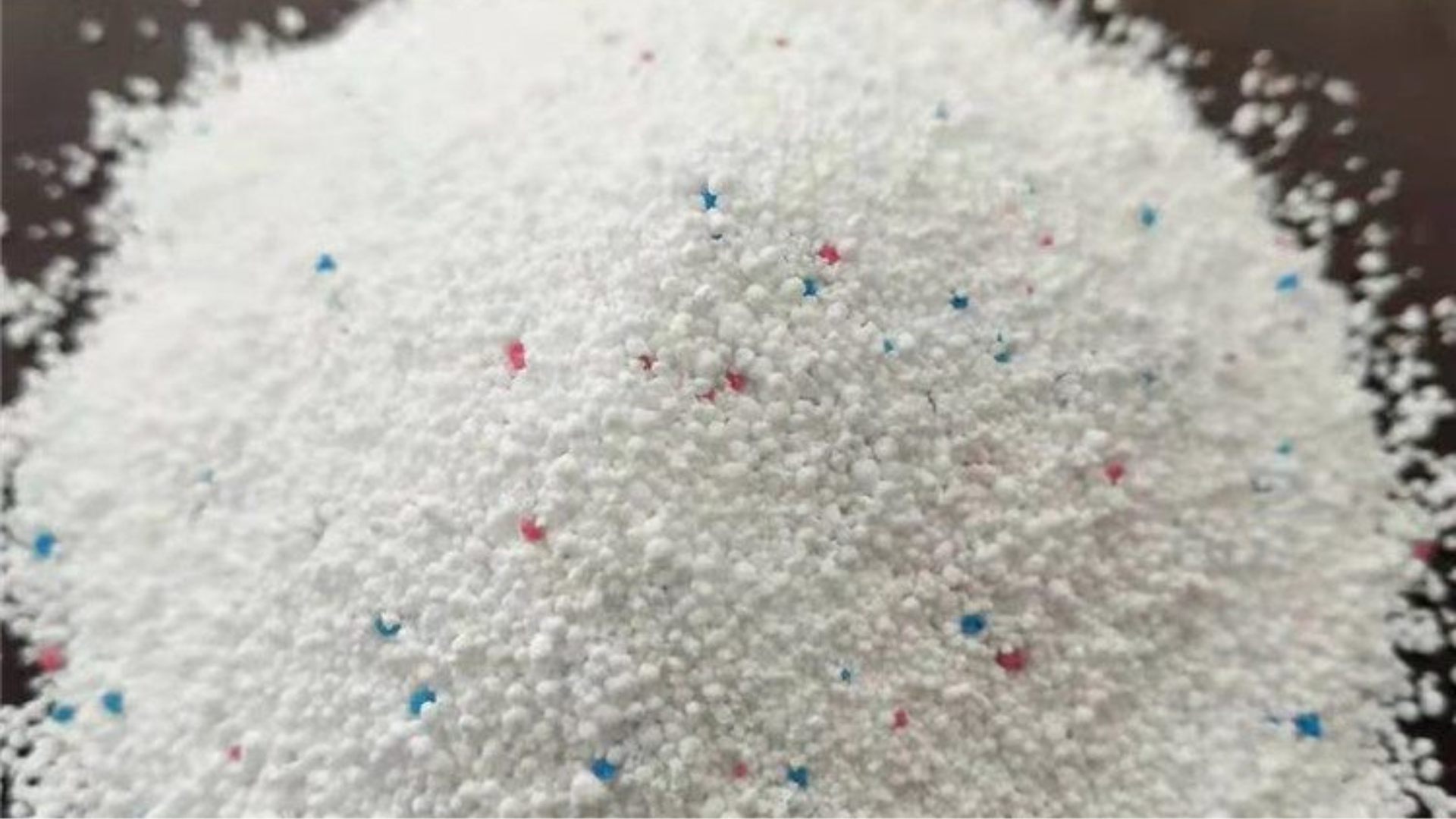
Principle of Color-safe Bleach
Color-safe bleach powder is one of the mainstream oxygen products. After it dissolves in water, Hydrogen peroxide will form. This substance can achieve a mild bleaching effect. It is equipped with good abilities for bacteria removal and sterilization. Just like hydrogen peroxide, it is a commonly used oxygen-containing bleach. However, the bleaching speed of the color-safe bleach powder is greatly affected by the temperature. It acts slowly at room temperature, so it’s mostly used in high-temperature conditions. This can accelerate the bleaching process and further improve the dirt-removal ability and whiteness.
● Advantages
Compared to other bleaching agents, the primary advantage of color-safe bleach is its mildness. It generally doesn’t damage the fibers of the textiles. It can not only make the white textiles whiter and improve the luster of the colorful textiles, but it’s also a good choice for achieving great textile care and cleaning effect.
● Application
The application range of the color-safe bleach is wide. Due to the medium oxidability, it won’t cause the oxidizing discoloration of colored textiles. Instead, it can make colored clothes brighter and make white clothes whiter. It can also remove protein-based stains like sweat, milk, blood, and plant-based pigment stains. It also has the functions of disinfection and sterilization, which makes it suitable for the cleaning of many textiles. The bed sheets, towels, curtains, and all kinds of clothes in daily home use and textiles in hotels and other hospitality places can all be cleaned with color-safe bleach. From the materials, natural fibers like cotton, linen, wool, silk, and all kinds of chemical fabrics can all be treated with it, no matter their darkness. It has a wider application range than the original bleaching agents.
Correct Usage of Color-Safe Bleach
After people master the correct method, the cleaning effect of the color-safe bleach can be improved as much as possible. Its core usage principles are matching laundry chemicals, controlled water temperature, and dosage. The specific operations can be adjusted according to the cleaning requirements.
● Correct washing process
In ordinary main washing programs, the dosage of color-safe bleach should be controlled according to the dirt level of the textiles. 2 to 6 grams of color-safe bleach should be added to one kilogram of dry textiles. The washing temperature should be controlled between 40 and 90℃. The washing time should be adjusted according to the characteristics of the textiles. (15 to 35 minutes) During washing, the color-safe bleach and laundry powder should be added together. When it is used together with laundry powder, lukewarm water can bring a better cleaning effect because water at a room temperature can effectively make the color-safe bleach release active oxygen.
If there are obvious tea pigment stains like tea stains, coffee stains, and juice stains, people should improve the water temperature (≥60℃) to get a more ideal stain removal effect. When treating textiles that need to be disinfected, like towels, people should control the water temperature (≥40℃), add color-safe bleach and laundry powder, and soak towels for 10 to 20 minutes. This can achieve better sterilization results and make the towels cleaner.
● Precautions
When using color-safe bleach, people pay attention to the operation safety and storage standards to avoid damage to textiles and the human body caused by improper operations.
- Mixed Using
It cannot be used together with the chlorine bleach because exotic air will form if they contact each other. If people want to enhance the effects, they can raise the temperature up to more than 80 degrees Celsius. People should wear rubber gloves during operations and instantly wash their hands if they touch it because it has irritation to skins.
- Eyes safety
It should not contact the eyes. If it accidentally splashes into the eyes, people rinse them immediately with plenty of water. If the situation is serious, people must go to the hospital for treatment in time.
- Storage
It should be stored in a ventilated, cool, and shady warehouse to avoid fire and heat. The temperature of the warehouse should be no less than 30℃. The packaging should be sealed to avoid the color-safe bleach contacting the air. It should also be kept separately from other reducing agents, acids, and flammables. Also, they should not be stored in large quantities or for a long time. This prevents them from becoming ineffective or dangerous.
● Targeted stain removal
- Red or blue ink stains on clothes:
They are hard to remove with soap.
Mix 15% color bleach powder, 15% borax, and 70% water → pour it into a bottle, shake well → wipe the stained area with the solution → remove it.
- Beer stains on white cotton
dissolve the color bleach powder and water in a ratio of 1:14 → immerse the cotton cloth in the solution for a few minutes → take it out → wash it in water with a few drops of ammonia water
- Curry stains
Curry stains on cotton → bleach them with color-bleaching powder → soak them in oxalic acid solution to fade the curry color → take them out → rinse them repeatedly with clean water to remove the oxalic acid smell.
- Red medicine water stains on dark-colored clothes
People should clean them with a low-concentration color bleach powder solution in time, which can effectively fade the marks.
Correct Usage of Chlorine
It is different from the color-safe bleach’s mildness. Chlorine bleach powder, as the representative of the chlorine bleach, has the strong functions of stain removal, dirt removal, bleaching, disinfection, and sterilization. It is a special agent product for deeply cleaning white textiles. The cleaning efficiency of the chlorine bleach powder is extremely high. It does no damage to the fibers and has the advantage of less dosage and better effects. Also, it has great dissolving ability and resistance to hard water, and can effectively remove the stubborn pigment on textiles. As a result, it is widely used in the cleaning of white fabrics in hotels, factories, hospitals, public institutions, and other places. They are specifically for stain removal and decolorization. They can restore the whiteness of yellowish and stubbornly stained white fabrics.
● Application
Its applicable range has strict limitations.
- It can only be used for white clothes. It must not be used on colored textiles and textiles that easily fade.
- It cannot be used on natural protein fibers like silk and wool. Otherwise, the textiles will fade and have irreversible damage.
● Correct washing process
It is also used in the main washing process.
Main wash for 8 to 10 minutes → add 1 to 5 grams per kilogram of dry fabric according to the degree of dirtiness → control washing temperature at 70 to 80℃ → continue washing for 6 to 8 minutes → complete the subsequent operations according to the normal washing process.
It should be particularly noted that chlorine bleaching powder can only be added when the washing water temperature is more than 60℃. Otherwise, it is very likely to cause white fabrics to turn yellow and result in irreversible damage.
● Taboo
There are many taboos when using chlorine bleaching powder.
- It cannot be used on any clothes with colors.
- It cannot be used on protein-based fabrics such as silk and wool, and fabrics that contain elastic fibers, like spandex and Lycra. Once silk and wool fabrics are bleached yellow, it is almost impossible to restore them.
- Its dosage should be strictly controlled because strong chlorine bleaching powder can still cause damage to parts of fibers.
- Wool fibers should not be exposed to direct sunlight in daily life. It easily becomes more yellow when in contact with alkaline bleaching agents.
- Viscose fibers are relatively fragile. Oxygen bleaching, chlorine bleaching, and reducing agents should all be avoided.
- Acetate fiber and cupramide fiber cannot resist acid, so bleaching with acidic components should be avoided.
Conclusion
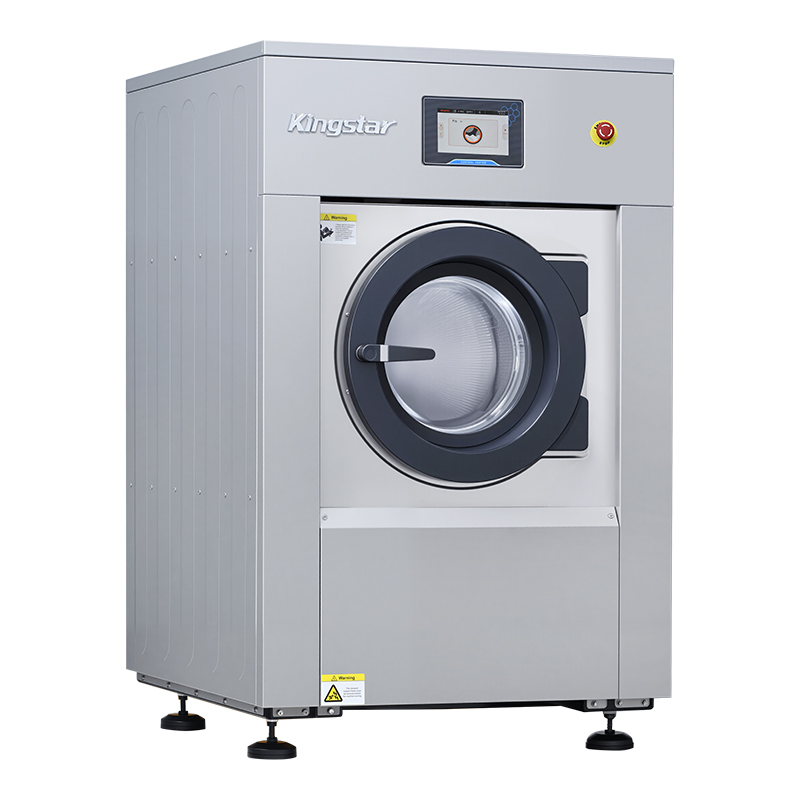
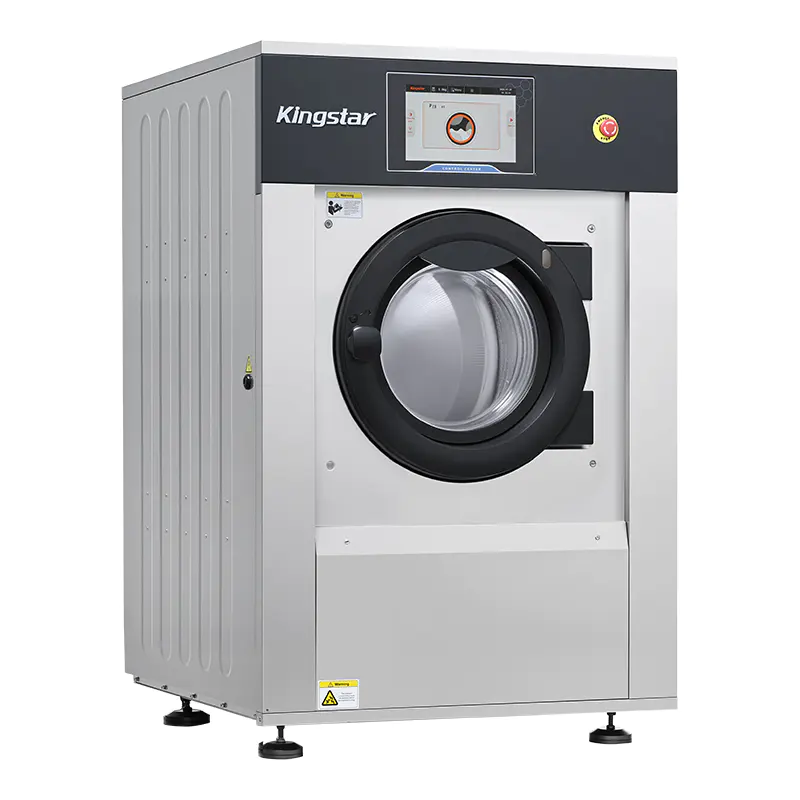
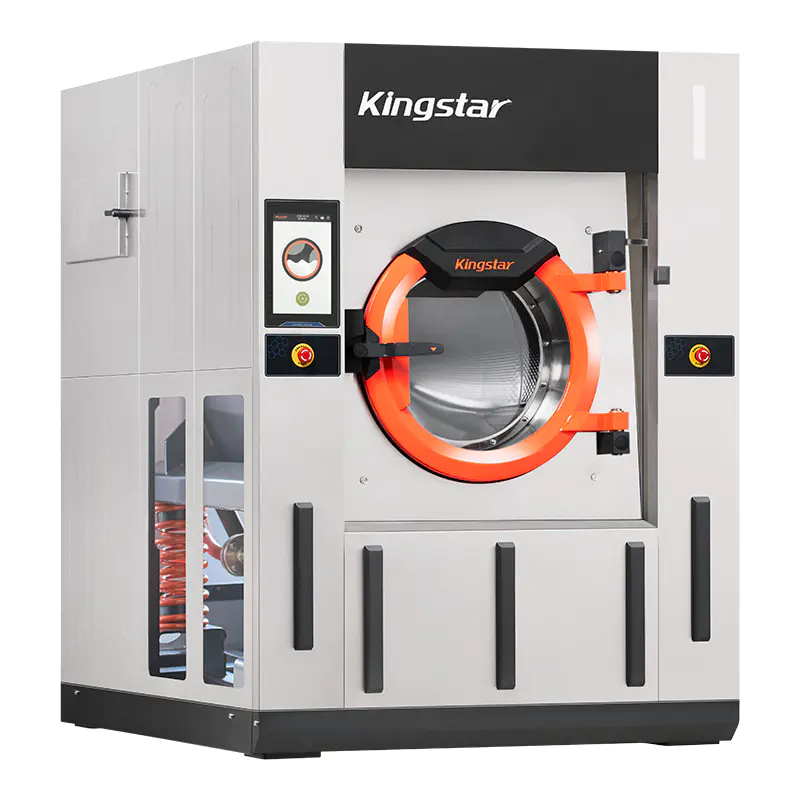
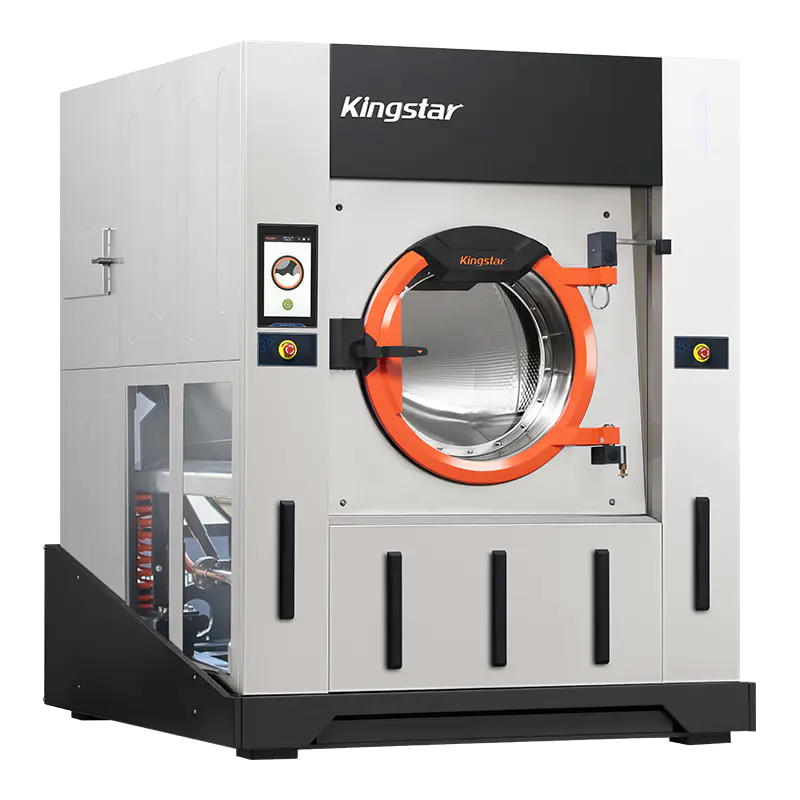
Laundry shops can also use liquid color-safe bleach. Kingstar industrial washing machines SHS-2015 and wet cleaning machine SHS-2025P of various specifications can all be connected to chemical material dispensers and store washing programs for different fabrics. Through parameter Settings, color-safe bleach pages can be automatically added in the main wash stage, and the amount added is more accurate than that added manually. Meanwhile, the excellent temperature control of Kingstar industrial washing machines can effectively ensure that the color-safe bleach solution achieves the best stain removal and bleaching effect.
FAQ
Q: Kingstar industrial washing machine and wet cleaning machine can only add liquid material?
A: Kingstar equipment has soap cups on the top of the machine so that people can add powder.
Q: How long is the Kingstar industrial washing machine’s warranty period?
A: The entire machine is guaranteed for 2 years.
Q: Is there a matching Kingstar dryer?
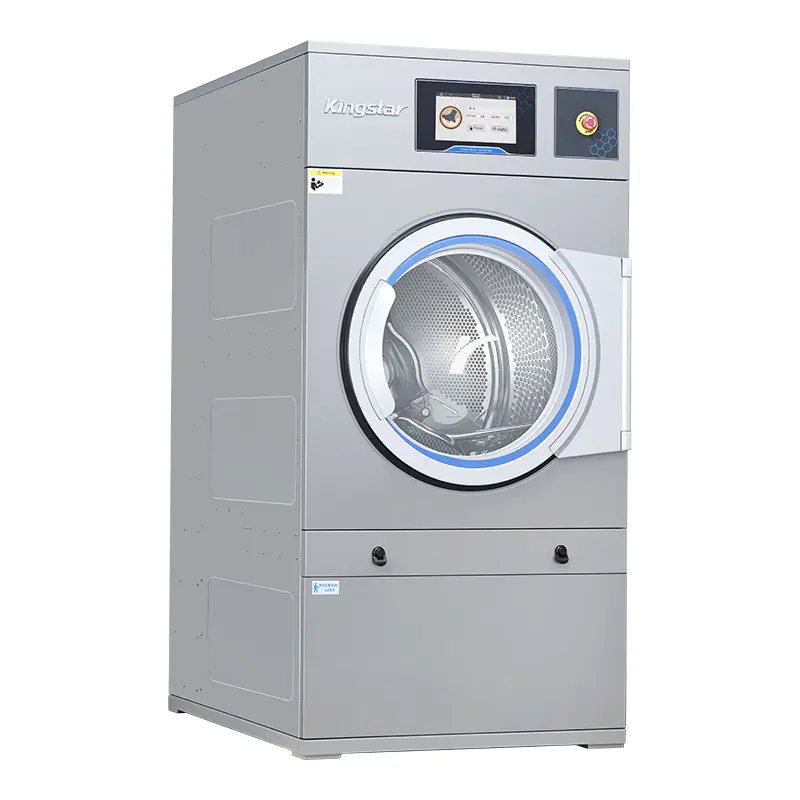
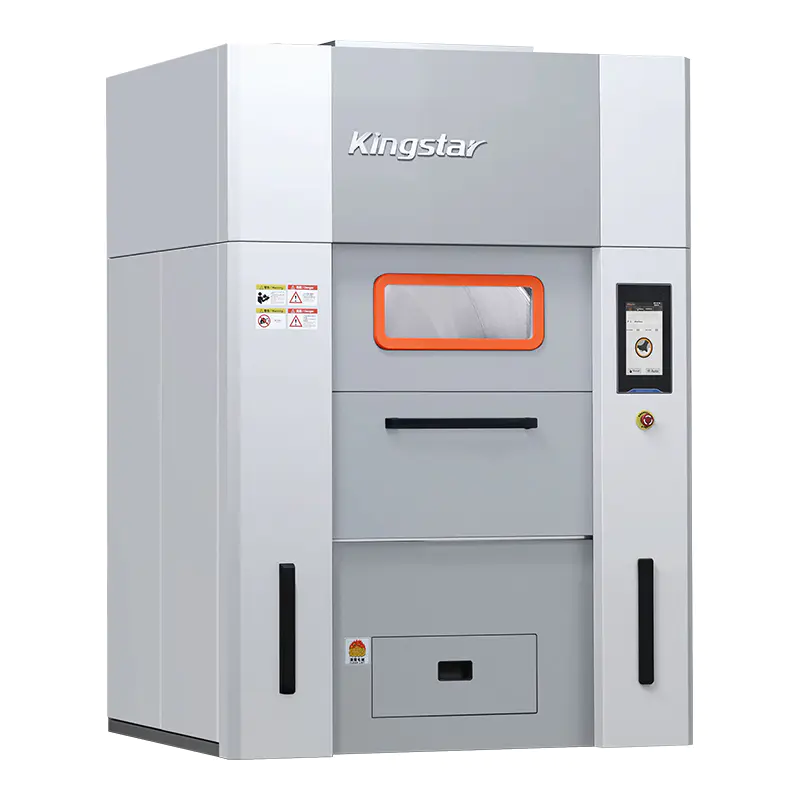
A: Yes, we have smart dryers of various specifications.
ADD:No.388 Xinggang Road, Chongchuan District, Nantong City, 226000, Jiangsu Province, China.
-
Phone: +86-13917089379
-
Tel:+86-13917089379
-
Fax:+86-0513-85663366
-
E-mail:louislu@kingstarlaundry.com