英语
英语 俄语
俄语 西班牙语
西班牙语 德语
德语
Home / News / Industry News / Why the Commercial Laundry Industry Has Continued to Grow Over the Past Twenty Years

Kingstar is your trusted partner for industrial and commercial laundry equipment. We specialized in the R&D and manufacturing of high-end industrial washers, commercial washers and dryers. Meanwhile, we provide global clients with comprehensive planning, layout workflow design, and software-hardware integration services for smart laundry plants.
Industry News
Jul 03,2026
Why the Commercial Laundry Industry Has Continued to Grow Over the Past Twenty Years
Over the past twenty years, physical retail sectors have rapidly evolved. Many stores exist in the market due to fierce competition. However, community-based laundry stores stand out in the market. They are always rooted in communities and achieve sustainable development. Without relying on short-lived traffic or hype, they withstand multiple industry fluctuations. Laundry services have become a widely recognized evergreen sector.
Kingstar has focused on the R&D and manufacturing of commercial and industrial laundry equipment for many years. It serves a large number of community-based laundry stores and laundromats worldwide. With twenty years of industry experience, Kingstar has developed a deep understanding of the industry’s long-term growth drivers. It provides long-term values for laundry store practitioners and entrepreneurs.
Essential Customer Demands
The laundry industry meets essential customer demands. It thoroughly breaks away from the home laundering and online alternatives.
In the past twenty years, public garments were mainly made of affordable fabrics, such as cotton and polyester. They withstand friction and are easy to wash. Hand washing and machine cleaning can meet the requirements. Professional laundry demands are relatively low. As the consumption upgrades, delicate fabrics (cashmere, silk, acetate, suede, high-end business suits, and leather products) become popular. A single garment has a higher value. Home washing easily leads to problems like shrinkage, distortion, color fading, and loose patterns.
The professional laundry process uses standardized operations. It achieves spotless stain removal, fabric care, and garment shape restoration. It can be seen as a safe solution for high-end garments. Large items (curtains, carpets, sofa covers, silk quilts, and down quilts) are difficult to clean thoroughly at home. They have high water absorbency. Air drying and disinfection are also not easy. Deep washing and care relying on professional laundry equipment is required. Unlike the replaceable online shopping, laundry shops provide offline physical services. This builds a robust industry barrier.
Economic Counter-Cyclical Resilience
Most physical industries follow the market trends — booming with economic upturns and depressing with economic downturns. But laundry stores benefit from both up and down cycles.
During economic upturns, consumer demands are strong. The consumption of public high-end garments, luxurious leather products, and soft furnishings significantly rises. At the same time, refined laundry demands surge. Store revenue increases steadily with the consumption upgrades.
During economic downturns, consumers tend to be rational. They reduce the frequency of buying new garments. Most of them pay more attention to maintaining old garments and luxury items. They prefer to pay for professional laundry rather than cleaning by themselves, which may damage precious garments. This drives laundry demands rising against the trend.
According to the twenty years’ market data, the laundry industry never drops significantly. It always remains stable in growth. It is a livelihood-oriented sector with low fluctuation and consistent profit.
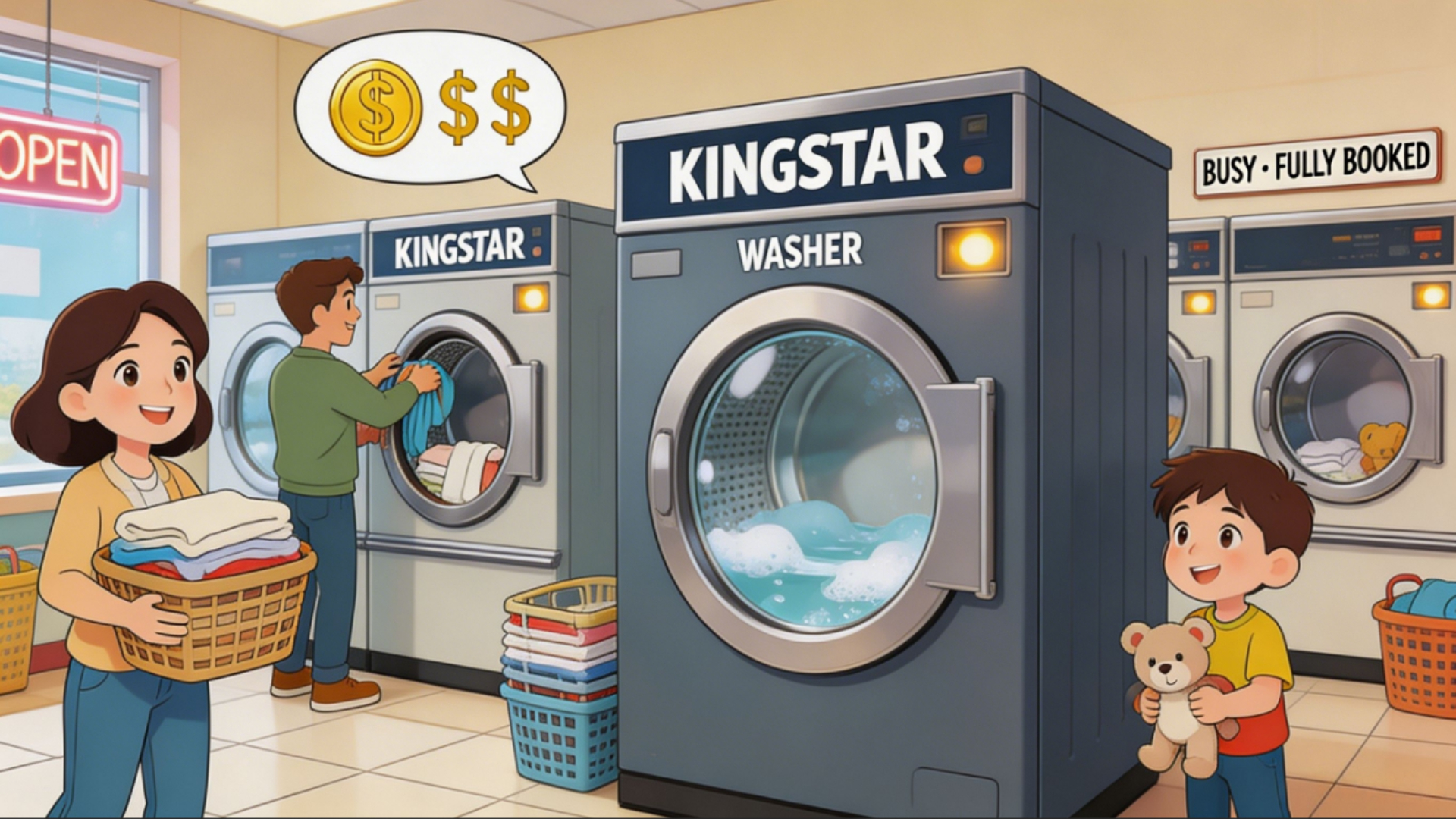
Healthy Competition
Unlike the vicious competition within the catering and retail industry, laundry stores have operational advantages: low competition and a natural regional monopoly.
In the street, restaurants, milk tea stores, and clothing stores are intense and homogeneous. They seize customers relying on low prices. This leads to a continuous profit shrinkage. However, laundry stores are a community-oriented industry. They have fixed service scopes. Only one professional laundry store can meet the laundry demands of one community. With limited intense competition, they can secure stable customers.
Meanwhile, there are hidden technology barriers in the laundry industry. Although the opening threshold is low, key technologies (fabric identification, precise stain removal, luxury care, and the restoration of soft furnishings) need long-term accumulation. This effectively avoids newcomers’ blind startup. Therefore, competition across the industry remains healthy.
Special Profit Model
The profit model with the asset-light model, high customer retention, and high repeat purchase rate supports the long-term stable operation of laundry stores. There is no need for inventory stocking or material wastage. Only 1-2 workers can achieve the lightweight operation. Decoration, labor, and consumables costs are extremely low. Gross margin remains high in the physical industry.
Laundry stores are also a community-based industry. Once customers build trust with stores, they develop a long-term consuming reliance. Demand is cyclical throughout the year. In the spring and summer, laundry shops can receive summer garments and bedding cleaning orders. In the autumn and winter, there are many cashmere, down, and textile care demands. The repurchasing period of regular customers lasts several years or decades. Laundry stores can achieve stable customer traffic and healthy cash flow.
Equipment Upgrade
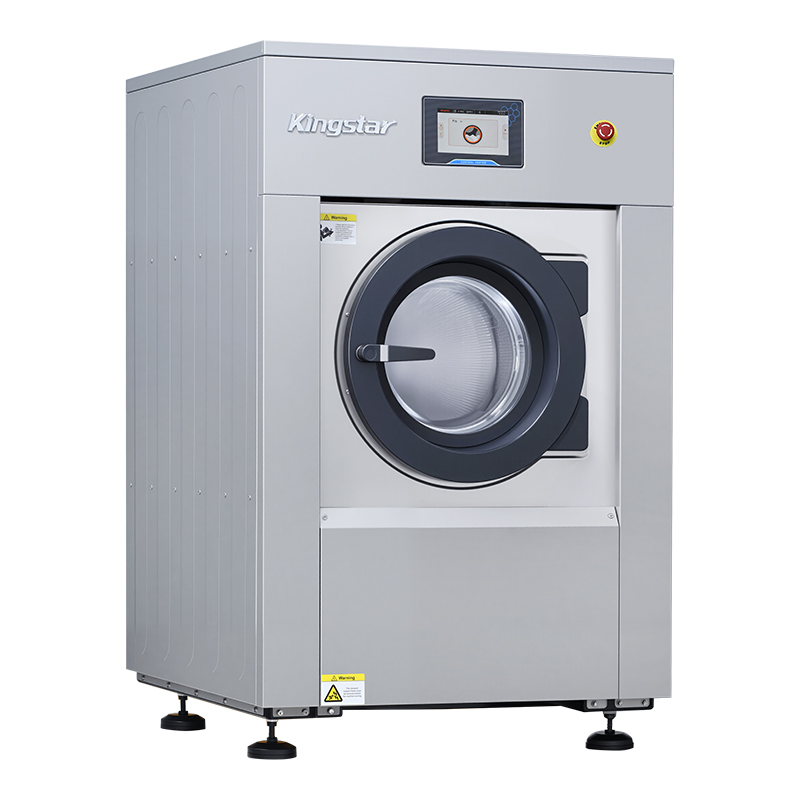
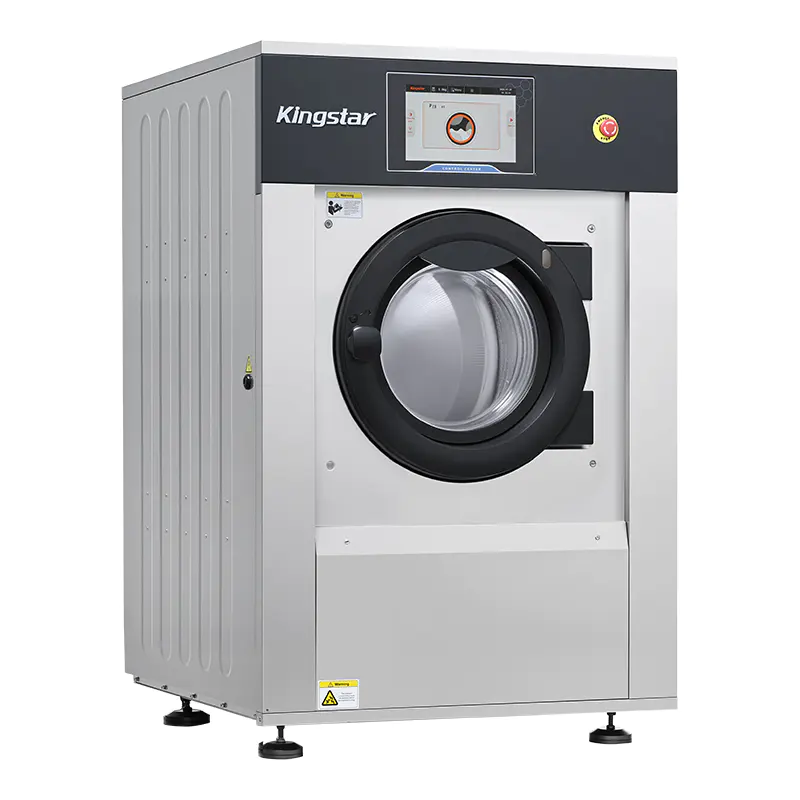
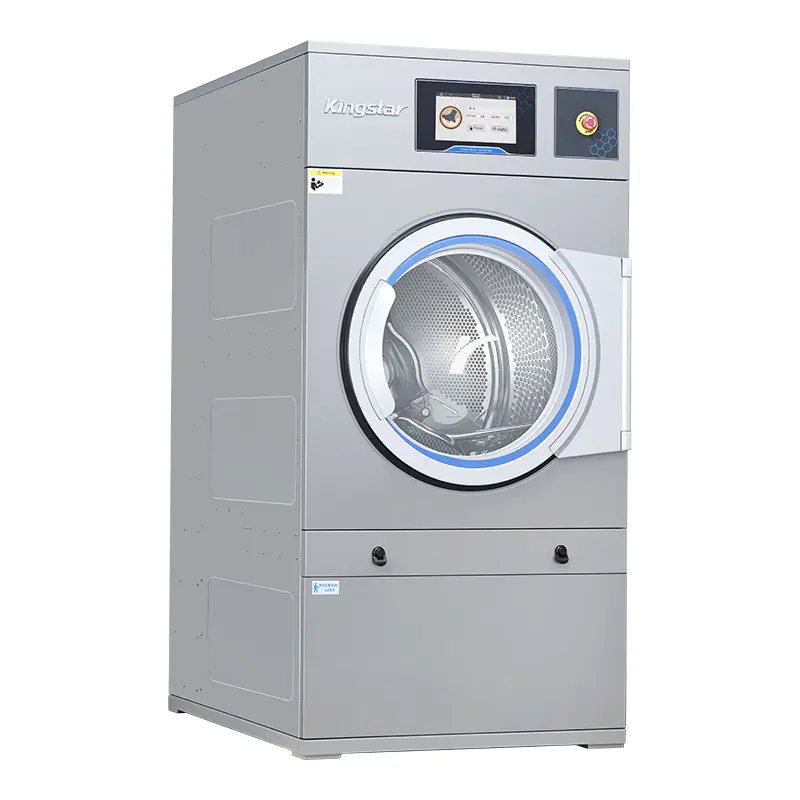
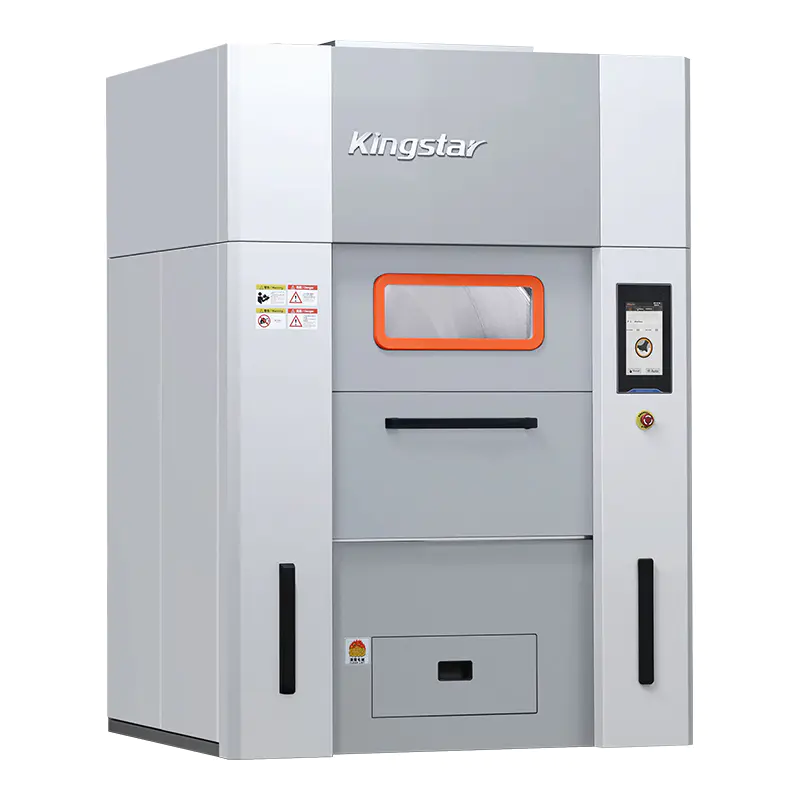
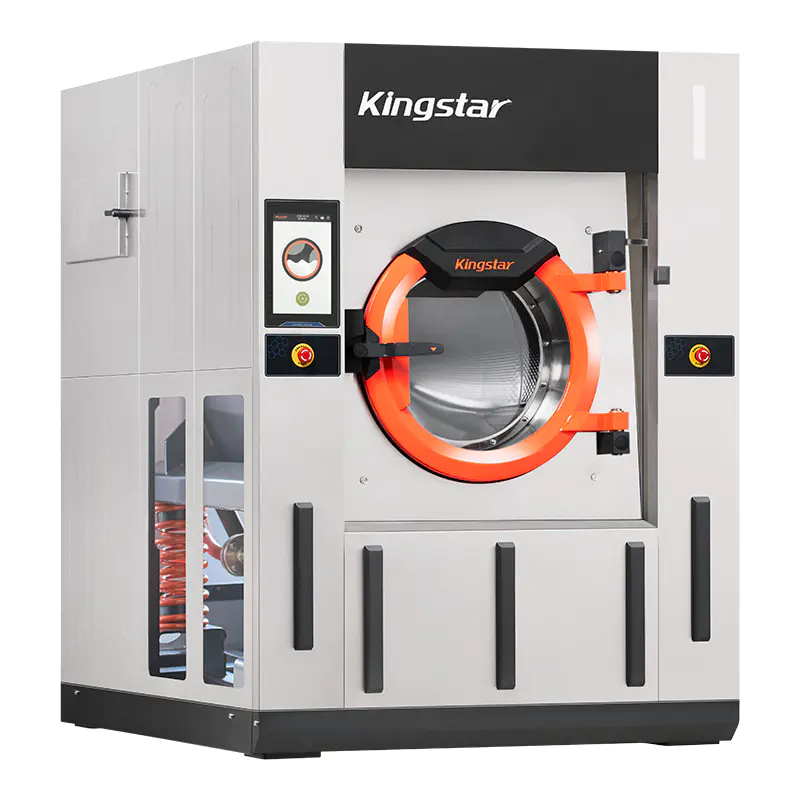
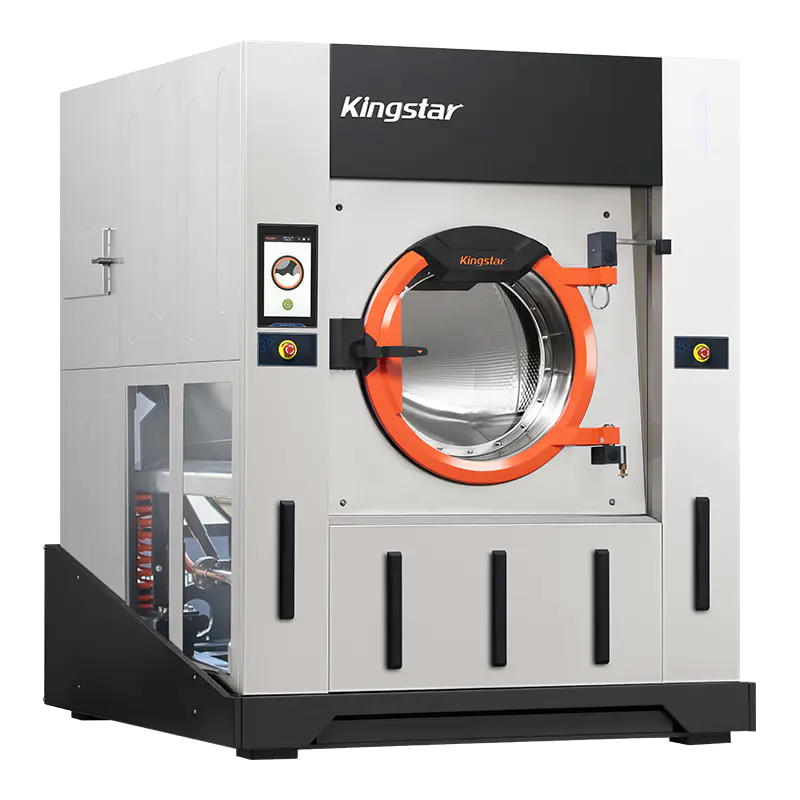
Improved equipment further enlarges the industry’s long-term advantages. Kingstar focuses on the operating requirements in small, medium, and large laundry stores. It creates a full range of commercial washers and smart dryers. These machines meet the laundry demands for all fabric types. They can be used for processing high-end garments, large-item textiles, and luxury items. Except for reducing manual technology difficulties, they ensure consistent laundry quality. Relying on smart machines, newcomers can also quickly learn to operate laundry stores. They help stores build a brand reputation and secure long-term customers.
Conclusion
The trend-driven industry will disappear, and essential demands will last forever. With the twenty years of development, all online celebrity businesses will be replaced. But livelihood-oriented laundry services exist. With essential customer demands, bilateral counter-cyclical resilience, low-competition operation, and high-stability profit models, they survive in the market. In a trend of consumption upgrade, laundry stores continue to release potential growth. The laundry industry will become a long-term reliable track for physical business startups.
Q&A
Q1: Why can home washers not replace professional laundry store services?
A1: High-end, delicate fabrics are prone to being damaged by home cleaning. Bacteria cannot be thoroughly removed from large-item textiles. Professional equipment with standardized processes achieves washing, care, and maintenance. It cannot be replaced by home cleaning.
Q2: Do economic fluctuations affect laundry store revenues?
A2: No. The laundry industry has bilateral counter-cyclical resilience. High-end laundry demands rise with the consumption upgrade. Old garment maintenance needs also increase during the rational consumption period. The entire revenue is stable.
Q3: In a new laundry store, can Kingstar equipment be used for laundry needs for all fabric types?
A3: Yes. Kingstar SHS-2025P wet cleaning machine can be used for common garments, high-end fabrics, large-item textiles, etc. Smart programs reduce operational difficulties. This helps the long-term operation of community-based stores.
ADD:No.388 Xinggang Road, Chongchuan District, Nantong City, 226000, Jiangsu Province, China.
-
Phone: +86-13917089379
-
Tel:+86-13917089379
-
Fax:+86-0513-85663366
-
E-mail:louislu@kingstarlaundry.com
products