英语
英语 俄语
俄语 西班牙语
西班牙语 德语
德语
Home / Author / Suyin Huo — Regional Sales Executive / 60kg Industrial Dryer: Efficient Steam Heating, Intelligent Drying, and Reliable Laundry Performance

Kingstar is your trusted partner for industrial and commercial laundry equipment. We specialized in the R&D and manufacturing of high-end industrial washers, commercial washers and dryers. Meanwhile, we provide global clients with comprehensive planning, layout workflow design, and software-hardware integration services for smart laundry plants.
Suyin Huo — Regional Sales Executive
Sep 10,2026
60kg Industrial Dryer: Efficient Steam Heating, Intelligent Drying, and Reliable Laundry Performance
60kg Industrial Dryer: Efficient Steam Heating, Intelligent Drying, and Reliable Laundry Performance
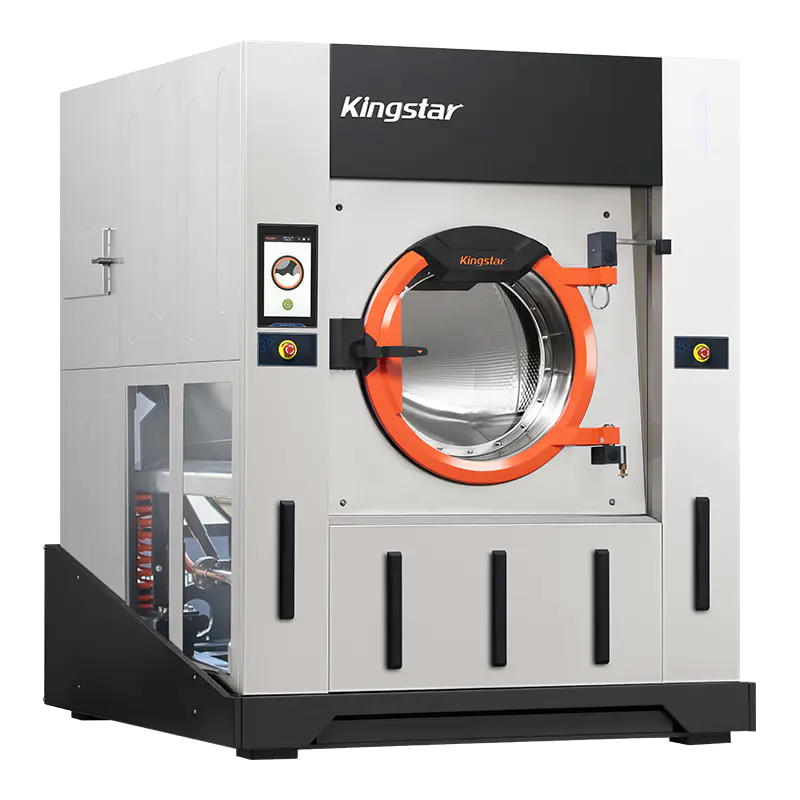
Industrial laundry operations depend on dependable drying equipment to maintain productivity, protect textile quality, and control operating costs. After washing, large quantities of linen, uniforms, towels, workwear, and other textiles must be dried quickly and evenly before they can be folded, pressed, stored, or returned to service. The 60kg Industrial Dryer, model SDR-2060, is designed for this demanding stage of the commercial laundry process.
With a rated capacity of 60kg, a 1,220-liter drum, steam heating, and a robust industrial structure, this dryer is suitable for laundries, dry cleaners, self-service laundry facilities, hotels, hospitals, and institutional washing departments. Its design combines large-volume drying performance with practical controls, efficient airflow, and a lower suspension shock absorption structure intended to improve stability during operation.
Unlike many basic commercial dryers designed primarily for light or medium-duty use, the SDR-2060 is configured for continuous, high-volume laundry work. Its large drum diameter, substantial depth, powerful airflow motor, and steam heating system help operators process more textiles per cycle while maintaining consistent drying conditions. The result is a machine that can support higher throughput without requiring operators to divide every large load into several smaller batches.
This article examines the product’s specifications, operating principles, application value, design advantages, manufacturing considerations, maintenance requirements, and suitability for different laundry environments. It also explains how Jiangsu Chuandao Intelligent Equipment Co., Ltd. approaches product development, manufacturing quality, safety, and service for commercial laundry machinery.
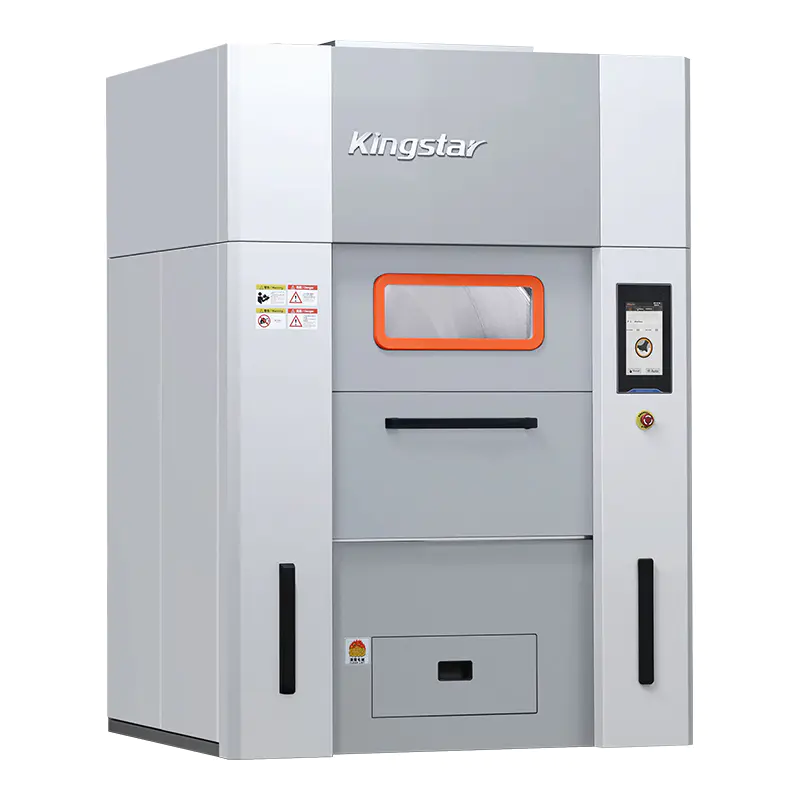
60kg Industrial Dryer
1. Product Overview
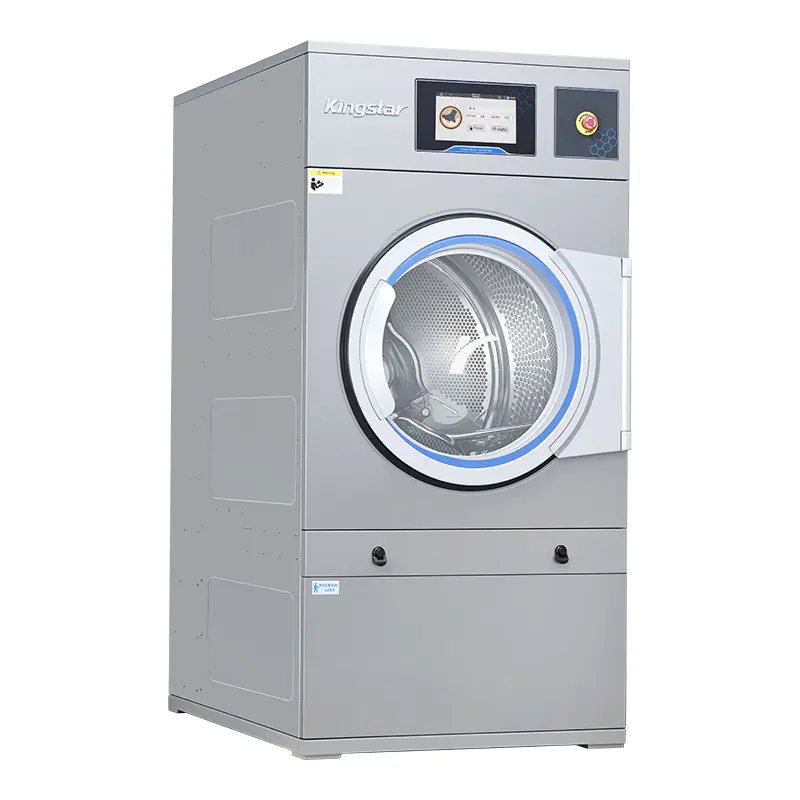
The 60kg Industrial Dryer is an industrial tumble dryer developed for professional laundry applications. Its model number is SDR-2060, and its product configuration is based on steam heating. The machine is designed to remove residual moisture from washed textiles by combining controlled heat, mechanical tumbling, and forced airflow.
The dryer includes a drum with a diameter of 1,260mm and a depth of 980mm. This large internal working space allows textiles to move freely during the drying cycle. Adequate movement is essential because it exposes different sections of the load to heated air and helps prevent damp areas from remaining trapped inside folded or compressed fabric.
The stated drum capacity is 1,220 liters, with a volume load ratio of 20. These parameters provide a useful reference for laundries planning daily production capacity and selecting a dryer that matches their washing equipment. The 60kg rating is particularly appropriate for operations that handle substantial quantities of bedding, towels, uniforms, healthcare textiles, hotel linen, and other commercial fabrics.
The main drive motor has a rated power of 1.5kW, while the air motor has a rated power of 3kW. Together, these systems support the rotation of the drum and the circulation of heated air through the textile load. The machine is designed for a 380V electrical supply and uses steam at a stated pressure of 0.6MPa.
The external dimensions are approximately 1,440mm wide, 1,880mm deep, and 2,150mm high. The listed machine weight is 1,500kg. These dimensions and weight should be considered during site planning, transportation, installation, and floor-load evaluation.
Key Product Specifications
| Specification | Value |
|---|---|
| Product | 60kg Industrial Dryer |
| Model | SDR-2060 |
| Rated capacity | 60kg |
| Drum diameter | 1,260mm |
| Drum depth | 980mm |
| Drum capacity | 1,220 liters |
| Volume load ratio | 20 |
| Main motor power | 1.5kW |
| Air motor power | 3kW |
| Heating method | Steam heating |
| Electrical supply | 380V |
| Steam pressure | 0.6MPa |
| Width | 1,440mm |
| Depth | 1,880mm |
| Height | 2,150mm |
| Weight | 1,500kg |
Actual installation requirements may vary according to the selected configuration, local electrical standards, steam system, exhaust arrangement, building conditions, and safety regulations. Buyers should confirm final technical details with the manufacturer before installation.
2. Why Industrial Drying Capacity Matters
Drying is not simply the final step after washing. It directly affects the speed, quality, and cost of the complete laundry process. If a dryer is too small, the washing department may experience long queues between washing and finishing. If the dryer is poorly matched to the load, textiles may require additional cycles, increasing energy use and labor demand.
A 60kg industrial dryer gives operators a larger processing platform than many small commercial machines. A suitable load can be dried in one cycle instead of being divided among multiple machines. This can reduce handling time, simplify scheduling, and improve the movement of textiles through the laundry.
Large-capacity drying is especially important in hotels and hospitals. Hotel laundries must process sheets, pillowcases, towels, bathrobes, table linen, and staff uniforms according to room occupancy and service schedules. Hospitals handle bedding, patient garments, towels, gowns, and other fabrics that must move through washing and drying in a controlled and reliable manner.
Commercial laundry service centers also benefit from high-capacity equipment because they often serve multiple customers with different textile types. A properly sized dryer allows the operator to organize loads more effectively, avoid unnecessary waiting time, and provide a faster return of cleaned textiles.
The SDR-2060 is also suitable for dry cleaners and self-service laundry facilities that need industrial construction but may have different operating patterns. In these environments, the machine can provide a large drying volume for bulky items such as comforters, blankets, mattress covers, curtains, and work garments.
Productivity Benefits
The primary productivity advantage of a large industrial dryer is the ability to process more material per cycle. This advantage is not limited to the rated weight. A large drum also gives bulky textiles more space to open and tumble, which can improve exposure to heated airflow.
When textiles are crowded in a drum, air cannot circulate efficiently through the load. The exterior of the load may become dry while interior sections remain damp. Operators may then need to extend the cycle or run the load again. A well-sized drum reduces this problem when the machine is loaded according to the appropriate operating guidelines.
A larger dryer can also reduce the number of transfers between machines. Every transfer requires labor, carts, weighing, sorting, and handling. Reducing these steps can improve workflow and lower the risk of textile mix-ups.
For businesses expanding their laundry service, the SDR-2060 can serve as a central drying unit in a larger production line. It may be paired with industrial washing machines, washer-extractors, flatwork ironers, folding equipment, and other finishing machinery according to the facility’s needs.
3. Steam Heating for Professional Laundry Operations
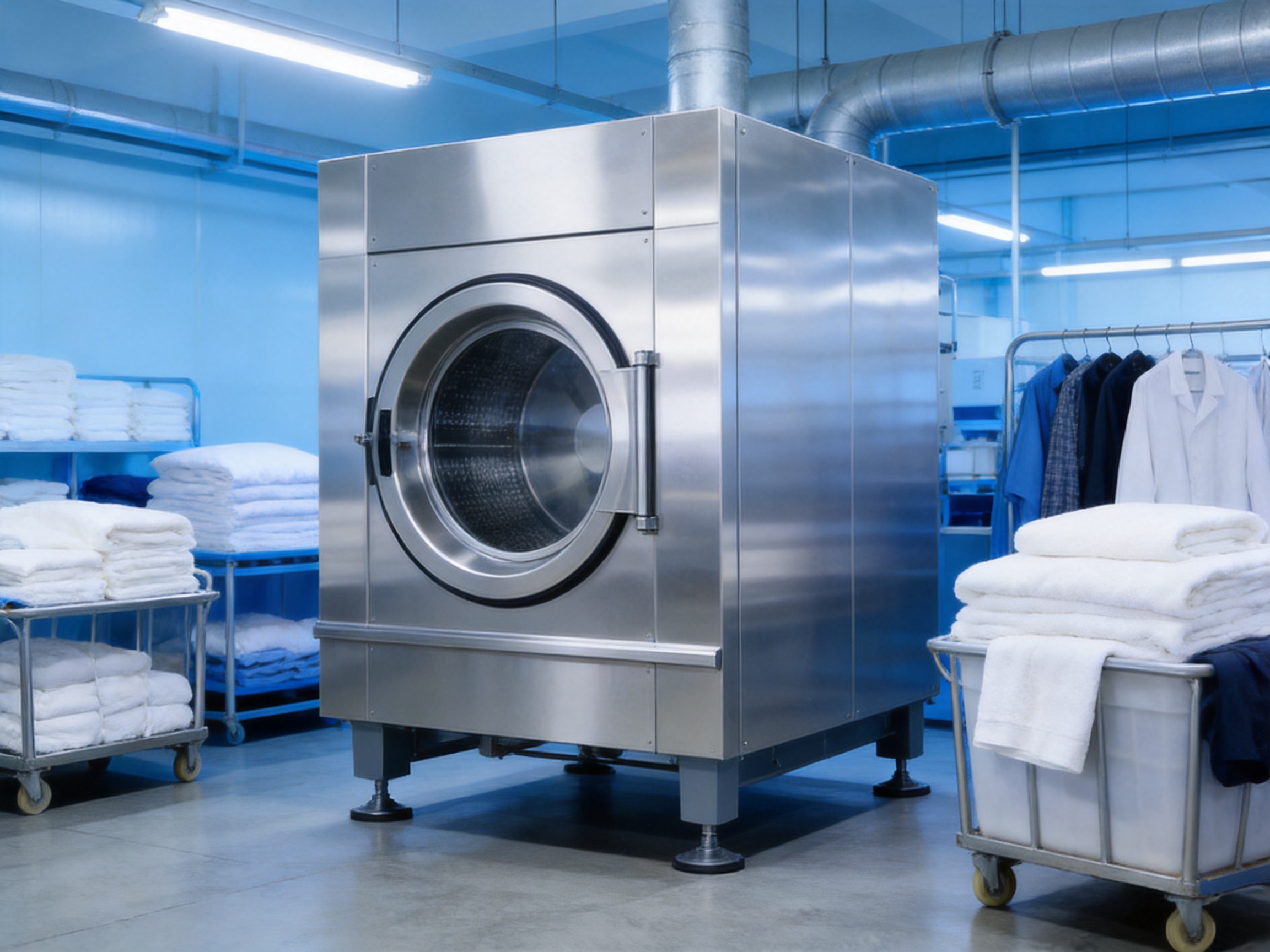
The SDR-2060 uses steam heating. Steam is widely used in industrial and institutional laundries because it can provide stable heat through an existing boiler or central steam system. For facilities that already use steam for washing, pressing, sterilization, or other processes, a steam-heated dryer can be integrated into the wider thermal infrastructure.
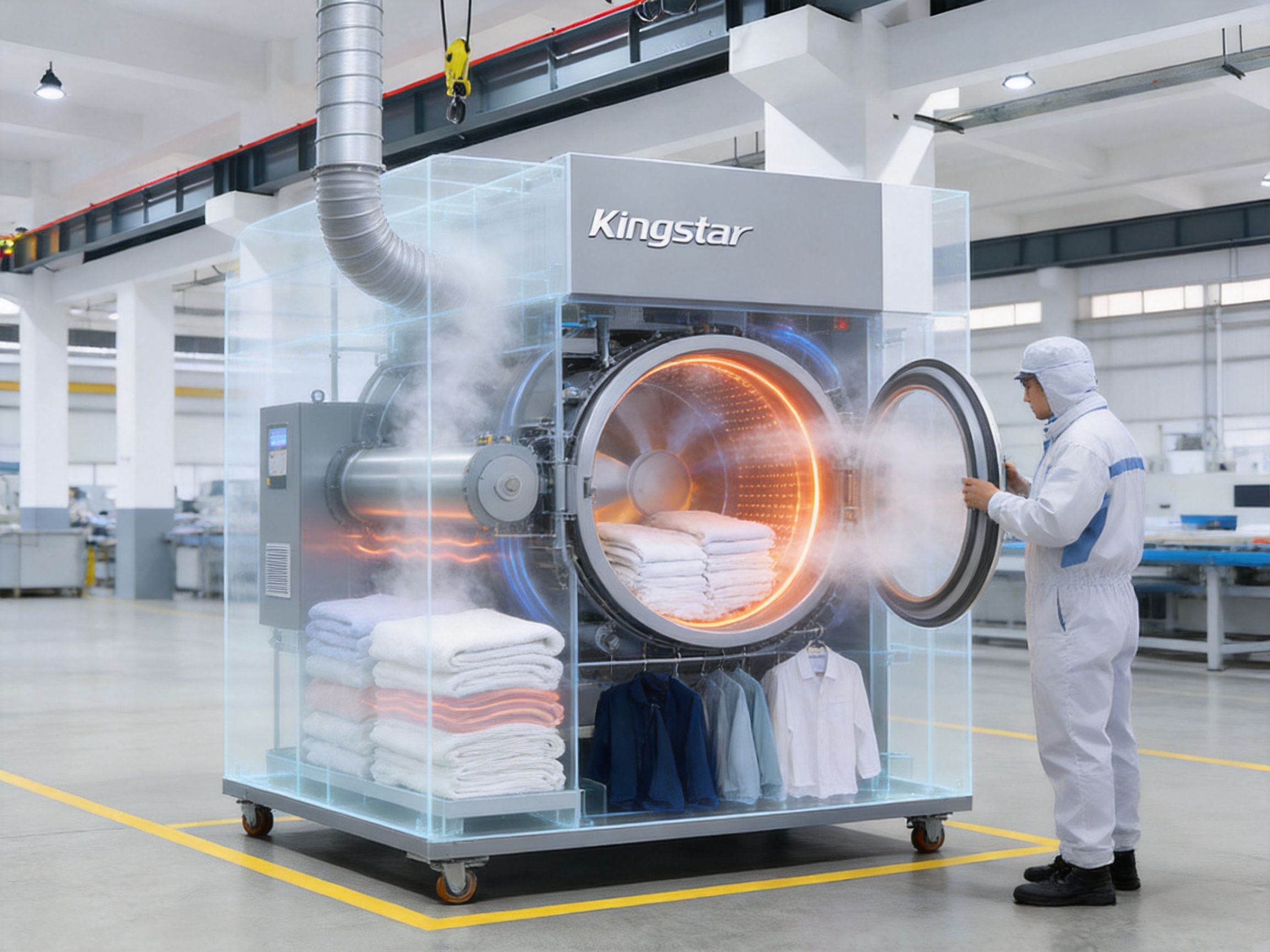
Steam heating transfers thermal energy through a heat exchanger or related heating assembly. Heated air then moves through the drum and across the wet textiles. The moisture evaporates from the fabric and is removed through the exhaust system.
One important advantage of steam heating is centralized energy management. A facility can manage steam generation and distribution as part of its overall utility system instead of installing a separate heating source for every dryer. This may be especially practical in large hotels, hospitals, textile rental companies, and industrial laundry plants.
The stated steam pressure for the SDR-2060 is 0.6MPa. The actual operating pressure, connection arrangement, condensate drainage, control valves, and safety components must be matched to the installation site. Proper steam-system engineering is essential for stable performance and safe operation.
Airflow and Moisture Removal
Heat alone does not dry textiles efficiently. Moisture must also be carried away from the drum. The 3kW air motor supports the movement of air through the heating system, drum, and exhaust route. Efficient airflow helps maintain contact between heated air and the textile surface while removing humid air from the drying chamber.
Airflow performance depends on more than the motor. Duct design, exhaust length, bends, filters, lint accumulation, building ventilation, and external pressure all influence the final result. For this reason, the dryer should be installed with an appropriately designed exhaust route and maintained according to the operating instructions.
When the airflow system is clean and correctly configured, the dryer can work more consistently. Restricted exhaust ducts may increase drying time, raise operating temperatures, reduce moisture removal, and place additional stress on components. Regular cleaning is therefore part of both performance management and fire prevention.
4. Drum Design and Textile Movement
The drum is the main working chamber of a tumble dryer. Its dimensions and internal design influence how textiles separate, lift, fall, and expose themselves to the airflow. The SDR-2060’s 1,260mm drum diameter and 980mm depth provide a substantial working area for a 60kg industrial load.
During operation, the drum rotates and lifts the textiles before allowing them to fall through the heated air. This repeated movement separates layers of fabric and promotes a more uniform drying process. It also helps reduce the formation of compact bundles that can retain moisture.
Different textile types require different loading practices. Towels, sheets, uniforms, blankets, and heavy workwear do not behave identically in the drum. Operators should avoid mixing materials with substantially different drying requirements unless the selected program is suitable for all items in the load.
Overloading can reduce tumbling quality and restrict airflow. Underloading can also affect performance because the textiles may not move in the intended pattern. The best operating result usually comes from using a load appropriate to the fabric type, moisture level, and program requirements.
Lower Suspension Shock Absorption
The product description identifies a unique lower suspension shock absorption design. This structure is intended to improve the stability of the machine during operation by helping manage vibration and dynamic forces generated by the rotating load.
Industrial laundry loads are not always perfectly balanced. Water remaining in textiles may be distributed unevenly, and bulky items may collect on one side of the drum during part of the cycle. A suspension and shock absorption system helps the machine handle these operating forces more smoothly.
Improved vibration control can provide several practical benefits. It may reduce movement of the machine, improve operator comfort, decrease mechanical stress, and help protect the surrounding floor and installation area. It can also support a more stable working environment in facilities where multiple machines operate at the same time.
The shock absorption structure is one of the features that differentiates the SDR-2060 from simple dryer designs that rely on a basic rigid frame. However, it should not be viewed as a replacement for correct leveling, suitable foundation preparation, balanced loading, and routine inspection.
5. Intelligent Control and Drying Management
Modern industrial dryers increasingly use intelligent controls to improve consistency and reduce unnecessary drying. The supplied product materials refer to intelligent drying time control and humidity verification technology as key technical directions for the dryer range.
Humidity-related control is valuable because textiles should be dried sufficiently without being exposed to unnecessary heat for an excessive period. Over-drying may waste energy, increase fabric stress, and affect the hand feel or appearance of some materials. Under-drying can lead to odor, storage problems, rework, or customer complaints.
A humidity verification system can help assess the moisture condition of the load during the drying process. When integrated with the machine’s control logic, this information can support better decisions about cycle duration. The exact sensing method and control behavior depend on the final configuration and should be confirmed with the supplier.
Intelligent time control can also prevent operators from selecting excessively long cycles. In a busy laundry, manually estimated drying times may vary according to load size, fabric type, initial moisture content, ambient conditions, and steam performance. Automatic or guided control can reduce this variability.
Better control does not eliminate the need for operator training. Staff should still sort textiles, select suitable programs, avoid overloading, clean lint filters, and inspect the final moisture condition. Intelligent equipment performs best when supported by disciplined laundry procedures.
Program Selection
The product information states that the dryer has 30 washing programs and five commonly used automatic washing programs. Because the product is an industrial dryer, this wording appears to contain a technical description carried over from washing-machine materials. Buyers should verify the exact number and type of drying programs available on the SDR-2060 configuration.
In practical terms, an industrial dryer may offer selectable parameters for fabric type, drying time, temperature, cooling, and other operating conditions. The final program structure should be matched to the textile categories processed by the facility.
For example, towels may require a different treatment from delicate uniforms, while heavy blankets may require longer moisture removal and appropriate cooling. A flexible control system allows operators to establish repeatable processes rather than relying entirely on manual timing.
6. Advantages Compared with Basic Commercial Dryers
The SDR-2060 has several advantages over smaller or less specialized dryer designs when the application requires high-volume operation.
Higher Processing Capacity
A 60kg rated capacity is suitable for larger batches than those handled by compact commercial dryers. This makes the machine more appropriate for hotels, hospitals, institutional laundries, and production-oriented laundry service providers.
Higher capacity can reduce the number of cycles required each day. It may also simplify labor allocation because fewer batches need to be weighed, transferred, loaded, unloaded, and inspected.
Large Internal Working Volume
The 1,220-liter drum capacity gives bulky textiles additional space to tumble. This is important for sheets, blankets, towels, and other items that can become compressed during drying.
Compared with a small drum, a larger chamber can help prevent excessive crowding when the load is correctly sized. Improved separation and movement can contribute to more uniform drying.
Steam System Compatibility
Steam heating is a practical option for facilities that already have central steam production. Instead of treating the dryer as an isolated appliance, the laundry can integrate it with an existing utility system.
This approach may be more suitable than individual heating systems for large operations with established boiler capacity. It can also support consistent thermal management when the steam supply is correctly designed and maintained.
Industrial Mechanical Construction
The SDR-2060 weighs approximately 1,500kg and is built as industrial laundry equipment rather than a household appliance. Its scale, frame, drum, drive system, and suspension design are intended for demanding commercial environments.
Industrial construction does not mean that maintenance can be ignored. It means the machine is designed for a heavier duty cycle and should be installed, operated, and serviced in a manner consistent with that purpose.
Vibration Management
The lower suspension shock absorption design is a practical advantage for facilities that require stable operation. By helping manage vibration from rotating loads, the system can support smoother machine behavior and reduce unnecessary structural stress.
Potential Energy Management
Humidity verification and intelligent drying time control can help reduce unnecessary heating time. The exact energy performance depends on load composition, initial moisture content, steam conditions, exhaust design, ambient temperature, and operating habits.
Even so, controlling drying time according to actual load conditions is generally more efficient than operating every load for a fixed period that is longer than necessary.
7. Applications in Different Laundry Environments
Hotel Laundry Departments
Hotels require fast and dependable processing of room linen, towels, uniforms, restaurant textiles, and public-area fabrics. Laundry demand can change according to occupancy, events, seasonal tourism, and housekeeping schedules.
The SDR-2060 can support hotel operations by processing substantial loads in a single cycle. Its steam heating system may also integrate with the hotel’s existing boiler infrastructure, while the large drum can accommodate bulky towels and bedding.
Stable drying is especially important for hotel linen because textiles are often sent directly from drying to folding, ironing, or storage. Excess moisture can slow finishing operations and create storage concerns, while excessive heat may reduce textile service life over time.
Hospital and Healthcare Laundry
Hospitals process sheets, blankets, patient clothing, gowns, towels, and staff garments. Their laundry departments often operate on strict schedules because clean textiles must be available for different wards and clinical areas.
A large industrial dryer can help maintain a predictable workflow after washing. Hospital operators should establish procedures for textile sorting, load classification, temperature selection, cleaning, inspection, and maintenance. The dryer is one component of a broader hygienic laundry process and should be used together with approved washing and handling procedures.
Commercial Laundry Service Centers
Commercial laundry businesses serve hotels, restaurants, factories, healthcare facilities, schools, and other customers. Their success depends on throughput, quality consistency, equipment availability, and labor efficiency.
The SDR-2060 can be used as a production dryer for medium-to-large batches. Its capacity enables the operator to process customer orders in a more organized sequence, while the industrial design is suited to repeated daily operation.
Dry Cleaners
Dry cleaners may use industrial drying equipment for washable garments, uniforms, bedding, curtains, and other textile items. A high-capacity dryer can be useful when the business handles commercial contracts or bulky household articles in addition to individual garments.
Dry cleaners should carefully separate items according to fiber type, color, finishing requirements, and care label instructions. The selected dryer settings must always be appropriate for the materials being processed.
Self-Service Laundry Facilities
Self-service laundry facilities need equipment that is simple to understand, durable, and capable of handling larger loads. A 60kg unit may be appropriate for commercial or institutional self-service environments rather than small neighborhood laundromats.
Clear operating instructions, safety notices, loading guidance, and routine cleaning procedures are especially important when machines are used by customers or staff with different levels of technical experience.
8. Manufacturing Strengths and Product Development Approach
Jiangsu Chuandao Intelligent Equipment Co., Ltd. is a Chinese manufacturer and supplier of washing machines, laundry machinery, washer-extractors, industrial dryers, commercial dryers, and related equipment. Its product development role extends beyond assembling individual machines. A reliable industrial laundry supplier must understand the complete washing and finishing process, including capacity planning, utility requirements, workflow, safety, and after-sales support.
Focus on Application-Based Design
Industrial laundry machinery must be designed around actual operating conditions. A hotel, hospital, dry cleaner, and laundry service center may use similar equipment but have different textile categories, production schedules, space limitations, and utility systems.
A manufacturer with experience across these applications can develop equipment with practical features such as large-capacity drums, stable suspension systems, steam compatibility, airflow management, accessible controls, and serviceable mechanical components.
The SDR-2060 reflects this application-based approach. Its capacity, dimensions, steam heating, air motor, and shock absorption structure address the needs of facilities that require more than a small domestic or light-commercial appliance.
Research, Development, and Continuous Improvement
The company’s stated responsibilities include technology research, product innovation, performance improvement, quality development, and process optimization. For industrial machinery, continuous improvement may involve refining drum geometry, airflow paths, heating control, vibration management, electrical systems, operator interfaces, and maintenance access.
Product development should also consider the full life cycle of the equipment. A dryer that is easy to inspect, clean, adjust, and repair can provide more practical value than a machine that focuses only on initial purchase price.
Manufacturers must also listen to laundry operators. Feedback from actual users can reveal issues related to load behavior, lint accumulation, access, noise, control logic, installation, and service procedures. Using this feedback in future engineering work helps align the product with real production demands.
Quality Management
Industrial equipment quality begins with material selection and continues through fabrication, assembly, electrical integration, testing, packaging, installation, and service. Each stage can influence machine performance.
Frames and supports must be sufficiently robust for the machine’s weight and dynamic forces. Drum components must be accurately assembled. Motors and transmission elements require correct alignment. Steam and airflow connections must be checked carefully. Electrical systems must be wired and tested according to the intended configuration.
Quality management should include inspection of incoming components, process control during manufacturing, functional testing, final verification, and documentation. It should also include traceability and corrective action when a nonconformity is discovered.
Safety and Reliability
Safety is especially important in large laundry machinery because operators work with heat, rotating components, steam, electrical power, and lint. A responsible manufacturer must consider guarding, access control, emergency stopping, thermal management, pressure-related risks, electrical protection, and safe maintenance access.
Operators should receive proper training before using the machine. Safety procedures should cover loading, unloading, lint removal, inspection, emergency response, lockout and isolation, and steam-system precautions.
Reliability is also influenced by correct installation. Even a well-built dryer may perform poorly if it is not leveled, if the exhaust duct is restricted, if the steam pressure is unsuitable, or if the electrical supply does not match the requirements. The manufacturer’s technical support and installation guidance are therefore important parts of the complete product offering.
9. Installation Planning
Before purchasing or installing the SDR-2060, the customer should evaluate the available space. The machine is approximately 1,440mm wide, 1,880mm deep, and 2,150mm high. Additional clearance is required for door operation, loading and unloading, inspection, maintenance, ventilation, and safe personnel movement.
The transportation route should also be checked. Doorways, elevators, ramps, corridors, and floor transitions must accommodate a machine weighing approximately 1,500kg. The installation team should confirm whether special lifting equipment is required.
The floor must be capable of supporting the machine and the dynamic forces generated during operation. Proper leveling is necessary for stable rotation and effective suspension performance. The final foundation method should be determined according to the building structure and manufacturer’s recommendations.
Electrical Requirements
The listed electrical supply is 380V. The customer must confirm the local power standard, phase arrangement, frequency, grounding, circuit protection, cable sizing, and disconnect requirements before installation.
Electrical work should be performed by qualified professionals. The machine should not be connected to an unsuitable power supply, and all protective devices should be tested before operation.
Steam Requirements
The listed steam pressure is 0.6MPa. The facility should provide a suitable steam source, isolation valve, pressure control, condensate drainage, piping, insulation, and safety provisions. Steam quality and stability may influence drying performance.
Incorrect steam pressure, inadequate condensate removal, or poorly designed piping can reduce heating efficiency. The steam system should therefore be inspected and commissioned as part of the complete installation.
Exhaust and Ventilation
The exhaust path must be appropriately sized and routed. Excessive duct length, sharp bends, insufficient external ventilation, or lint buildup can restrict airflow. This may increase drying time and operating temperature.
The exhaust arrangement should also account for heat, moisture, lint, and local building regulations. Regular inspection and cleaning are necessary to maintain airflow and reduce fire risk.
10. Operating Practices for Efficient Drying
Efficient operation begins with correct preparation. Textiles should be sorted according to fabric type, weight, color, care requirements, and moisture condition. Items that require substantially different drying conditions should not be mixed without a clear process justification.
The washing and extraction stages also affect dryer performance. Textiles with excessive residual water require more thermal energy and more time to dry. Proper washer-extractor operation can improve the overall efficiency of the laundry line before the load reaches the dryer.
Operators should avoid overloading the drum. An overloaded machine may have reduced tumbling, poor airflow, uneven drying, and longer cycles. The rated 60kg capacity should be understood together with the specific textile type and moisture condition.
At the same time, operators should avoid arbitrary underloading when a suitable full load can be safely processed. Running many very small loads may increase energy use per kilogram of textile and reduce overall productivity.
The correct program or drying setting should be selected for each load. High temperatures are not appropriate for every textile. Some fabrics may require lower temperatures, shorter drying periods, or controlled cooling.
At the end of the cycle, textiles should be inspected before storage or finishing. If the load is still damp, the operator should identify the cause rather than simply extending every future cycle. Possible causes include overloading, restricted exhaust, inadequate steam supply, incorrect settings, or excessive moisture after washing.
11. Maintenance and Service Requirements
Regular maintenance protects drying performance, machine safety, and operating life. The exact schedule should follow the manufacturer’s instructions and the intensity of use.
Daily Checks
Operators should remove lint from accessible filters and clean areas designated for routine maintenance. The drum, door seal, loading area, and surrounding floor should be checked for contamination or foreign objects.
The operator should also observe unusual noise, abnormal vibration, steam leakage, excessive heat, unusual odors, or changes in drying time. Early reporting can prevent a small issue from becoming a major repair.
Routine Mechanical Inspection
Belts, bearings, fasteners, suspension components, drum supports, and drive parts should be inspected according to the service schedule. Loose or worn components can affect performance and may create safety risks.
The lower suspension shock absorption structure should be checked for signs of wear, damage, leakage, displacement, or unusual movement. A stable machine depends on both the design of the suspension system and its continued serviceability.
Airflow and Steam Inspection
Exhaust ducts, filters, fans, and air passages should be cleaned regularly. Lint accumulation can restrict airflow and increase the risk of overheating. The air motor and related components should be inspected by qualified personnel.
Steam valves, pipes, heat exchangers, condensate systems, and pressure controls should be checked by technicians familiar with steam equipment. Steam work should never be performed on a pressurized or hot system without proper isolation and safety procedures.
Electrical and Control-System Inspection
Electrical cabinets, wiring, terminals, sensors, control devices, and safety switches should be inspected by qualified technicians. Any fault should be investigated before the machine is returned to normal operation.
Cleaning and maintenance should be recorded. A maintenance log can help identify recurring problems, monitor service intervals, and support production planning.
12. Sustainability and Operating Cost Considerations
Energy consumption is a major consideration in industrial laundry operations. Dryers use substantial thermal energy, and inefficient drying can increase operating expenses. The most effective approach is to manage the entire process from washing and extraction through drying and finishing.
The SDR-2060’s steam heating configuration may be advantageous for facilities with an efficient central steam system. Intelligent time control and humidity-related monitoring may further help avoid unnecessary drying time, subject to the actual machine configuration and operating conditions.
Operators can improve efficiency by ensuring that washer-extractors remove an appropriate amount of water before drying. They can also maintain clean filters, unobstructed exhaust ducts, suitable load sizes, and correctly selected programs.
Textile care is another part of sustainability. Over-drying can shorten fabric life, leading to earlier replacement and higher material consumption. Controlled drying helps balance moisture removal with textile protection.
Manufacturing sustainability should also be considered. A responsible equipment manufacturer evaluates material usage, production efficiency, product durability, serviceability, packaging, transport, and end-of-life treatment. Longer equipment life and repairability can reduce the environmental impact associated with frequent replacement.
13. Support for Laundry Workflow Integration
A dryer should not be selected independently from the rest of the laundry. Its capacity should be compared with the output of the washing machines and washer-extractors. If washing capacity significantly exceeds drying capacity, wet textiles may accumulate and delay production. If drying capacity is much larger than washing capacity, the investment may not be fully utilized.
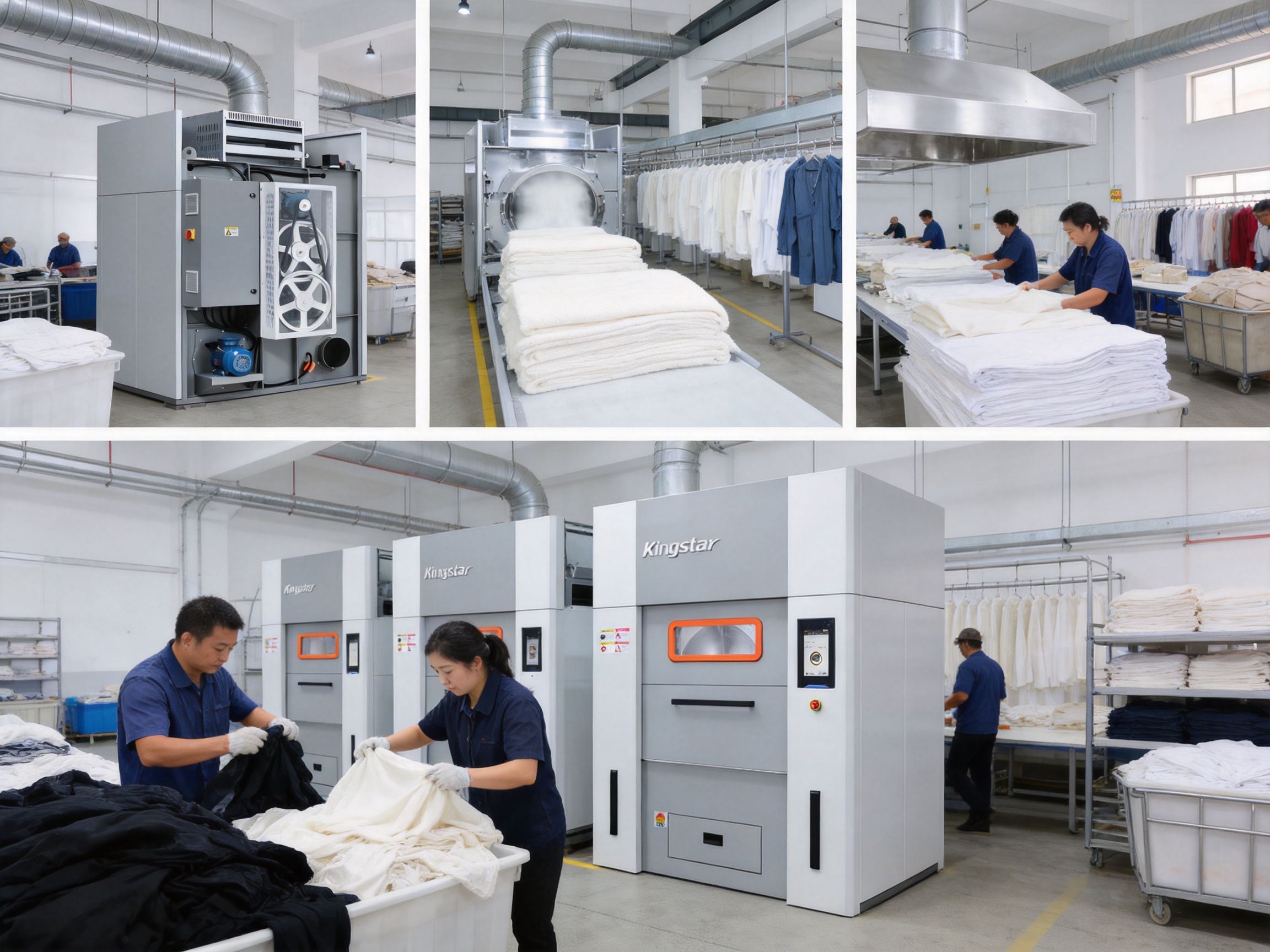
The SDR-2060 can be considered as part of a complete laundry machinery plan. The process may include textile receiving, sorting, washing, extraction, drying, ironing, folding, packing, storage, and delivery.
For hotel and hospital projects, equipment layout should support a logical movement of textiles and, where applicable, separation between soiled and clean areas. For commercial laundry centers, the layout should also provide space for carts, sorting tables, loading access, finished-goods handling, and maintenance.
Manufacturers with experience in laundry machinery can assist customers in evaluating machine capacity, utility requirements, workflow, and future expansion. This type of technical consultation can help customers avoid purchasing equipment that is difficult to install or poorly matched to the production plan.
14. Purchasing Considerations
Before placing an order, buyers should confirm the final product configuration and application requirements. The model designation identifies the machine as a 60kg industrial dryer, but specifications can vary according to regional electrical standards, control options, door configuration, steam-system details, and customer requirements.
Important questions include the following:
What is the expected daily textile volume?
What types of textiles will be dried most frequently?
What is the residual moisture level after washing and extraction?
Is a suitable 380V power supply available?
Does the facility have steam at the required pressure and sufficient capacity?
Can the building accommodate the machine’s dimensions and weight?
Is the exhaust system properly designed?
What installation, commissioning, spare-parts, and training services are included?
What local safety, electrical, pressure, ventilation, and environmental requirements apply?
These questions help ensure that the selected dryer is evaluated as a complete production asset rather than only by its nominal capacity.
15. Company Manufacturing and Service Strengths
Jiangsu Chuandao Intelligent Equipment Co., Ltd. develops and supplies laundry machinery for commercial and industrial users. Its product categories include industrial washing machines, hospital washing machines, industrial dryers, commercial washer-extractors, stacked washer-and-dryer systems, stack dryers, and commercial dryers.
This broad product range gives the company a useful understanding of different stages in the laundry process. Customers may require individual machines, replacement equipment, or a coordinated production line. A supplier familiar with multiple equipment categories can help align washing, extraction, drying, and finishing capacity.
The company emphasizes product research and development, quality improvement, safety, reliability, environmental responsibility, and after-sales support. These areas are important because industrial laundry equipment is a long-term investment. Buyers need machinery that can operate reliably, but they also need access to technical information, service assistance, maintenance guidance, and replacement components.
OEM and ODM Capability
The company’s business profile includes OEM and ODM supply of commercial washer-extractors and laundry machinery. OEM and ODM capability can be useful for distributors, laundry-equipment dealers, project contractors, hotel groups, hospital suppliers, and other organizations that require customized product configurations or private-label solutions.
Customization may involve control language, electrical configuration, external appearance, machine layout, documentation, packaging, or integration with a wider project. The feasibility of a requested modification should be confirmed during the technical quotation process.
Export-Oriented Communication
Industrial equipment projects often involve international delivery, local installation, and communication between manufacturers, agents, contractors, and end users. Clear technical documents, accurate specifications, installation guidance, and responsive communication can reduce project risk.
Customers should request the appropriate manuals, utility diagrams, foundation details, wiring information, spare-parts recommendations, and maintenance schedules before shipment whenever possible.
16. Practical Performance Expectations
The 60kg Industrial Dryer is designed to provide dependable performance in demanding laundry environments, but actual results depend on operating conditions. Drying time is influenced by fabric type, load weight, residual moisture, steam pressure, ambient temperature, exhaust design, and selected settings.
For example, a load of lightweight sheets may dry differently from a load of dense towels or heavy blankets. A properly extracted load will normally require less drying energy than a load containing excessive water. A clean exhaust route will perform better than a restricted one.
For this reason, users should evaluate the dryer according to repeatable production indicators such as kilograms processed per hour, average drying time, moisture consistency, energy consumption, textile quality, downtime, and maintenance frequency.
Competitor comparisons should also be based on total operating value rather than purchase price alone. Important factors include useful capacity, drum volume, heating compatibility, airflow performance, vibration control, controls, serviceability, spare-parts support, and expected operating life.
17. Limitations and Important Clarifications
The supplied product materials include references to a 100kg single tumble dryer, linen paper, humidity verification, and washing programs. These statements appear to combine information from several laundry-machine product descriptions. The primary product identified here is the 60kg Industrial Dryer, model SDR-2060.
Therefore, purchasers should not assume that every feature described for a separate 100kg dryer or washing machine is automatically included in the SDR-2060. In particular, the exact program count, humidity sensor configuration, automatic control functions, and cycle performance should be confirmed in the final technical specification.
This clarification is important because accurate product selection depends on matching the confirmed configuration to the customer’s process. A professional quotation should identify the rated capacity, heating system, electrical requirements, control functions, optional features, installation conditions, warranty terms, and service scope.
18. Frequently Asked Questions
Q1: What is the capacity of the SDR-2060 industrial dryer?
The stated capacity is 60kg. The actual recommended load may vary according to textile type, moisture content, and operating requirements. Bulky or heavy fabrics may require a lower practical load than lightweight materials.
Q2: What heating method does the machine use?
The listed heating method is steam heating. The stated steam pressure is 0.6MPa. The customer should confirm the final steam connection and operating requirements before installation.
Q3: What are the drum dimensions?
The drum diameter is listed as 1,260mm, and the drum depth is 980mm. The drum capacity is approximately 1,220 liters.
Q4: What electrical supply is required?
The listed voltage is 380V. Electrical phase, frequency, current, grounding, cable size, and protection requirements should be confirmed according to the final configuration and local regulations.
Q5: Where can this industrial dryer be used?
It is suitable for laundry service centers, hotels, hospitals, dry cleaners, self-service laundry facilities, and other commercial or institutional laundry operations that require high-volume drying.
Q6: What is the purpose of the lower suspension shock absorption design?
The lower suspension shock absorption design helps manage vibration and dynamic forces during drum rotation. It can contribute to more stable operation, but correct leveling, balanced loading, and regular maintenance remain essential.
Q7: Can the dryer process towels and bedding?
Yes, the large drum and 60kg industrial capacity are suitable for many commercial textiles, including towels, bedding, uniforms, and other linen. Loads should be sorted and processed according to fabric type and care requirements.
Q8: Does the dryer include humidity verification technology?
The supplied materials mention humidity verification technology for the dryer range, but they also contain information referring to a separate 100kg dryer. Buyers should confirm whether humidity sensing is included in the exact SDR-2060 configuration before ordering.
Q9: Does the product have 30 washing programs?
The product information contains a statement about 30 washing programs and five automatic washing programs. Because the SDR-2060 is identified as a dryer, this wording should be verified with the manufacturer. The final drying program options should be listed in the technical quotation or control-system documentation.
Q10: What maintenance does the machine require?
Routine maintenance includes lint removal, exhaust cleaning, inspection of the drum and door area, checking for unusual vibration or noise, and scheduled inspection of mechanical, steam, electrical, and control components. Maintenance work involving steam, electricity, or internal drive systems should be performed by qualified personnel.
Q11: What should be checked before installation?
Customers should check building access, floor capacity, machine clearance, electrical supply, steam availability, exhaust routing, ventilation, drainage, lifting requirements, and compliance with local safety regulations.
Q12: Can the manufacturer provide customized equipment?
The company profile indicates OEM and ODM capability for laundry machinery. Customization possibilities depend on the project, quantity, technical requirements, and production feasibility. Customers should discuss specifications with the manufacturer before confirming an order.
Q13: How can users reduce drying energy consumption?
Users can improve efficiency by extracting more water during washing, selecting an appropriate load size, cleaning lint filters, maintaining unobstructed exhaust ducts, using suitable drying settings, avoiding over-drying, and maintaining the steam system.
Q14: Is the machine suitable for continuous industrial use?
The SDR-2060 is designed as an industrial dryer for commercial and institutional applications. Its actual duty cycle should be managed according to the manufacturer’s operating instructions, installation conditions, textile load, and maintenance schedule.
19. Conclusion
The 60kg Industrial Dryer, model SDR-2060, is designed to address the needs of professional laundries that require substantial capacity, stable operation, and efficient moisture removal. Its 1,260mm drum diameter, 980mm drum depth, 1,220-liter volume, 3kW air motor, steam heating system, and lower suspension shock absorption design provide a strong foundation for demanding laundry work.
Compared with basic commercial dryers, the machine offers a larger working volume, higher batch capacity, steam-system compatibility, industrial construction, and a design intended to manage vibration during operation. These features can help hotels, hospitals, dry cleaners, self-service laundry facilities, and commercial laundry centers improve workflow and reduce unnecessary handling.
The value of the dryer depends on more than its specifications. Correct installation, suitable steam and electrical services, proper exhaust design, balanced loading, textile sorting, routine maintenance, and operator training are all necessary for reliable performance.
Jiangsu Chuandao Intelligent Equipment Co., Ltd. supports this type of equipment through a broader manufacturing focus that includes laundry machinery development, product improvement, quality management, safety, OEM and ODM services, and after-sales support. For customers planning a new laundry facility or upgrading existing equipment, the SDR-2060 can be evaluated as part of an integrated washing, extraction, drying, and finishing system.
Before purchase, customers should request the final technical specification and confirm all optional functions, program details, utility requirements, installation conditions, warranty provisions, and service arrangements. With the correct configuration and disciplined operation, the 60kg Industrial Dryer can become a productive and reliable component of a modern commercial laundry.
References
1. Product specification sheet for the SDR-2060 60kg Industrial Dryer.
2. Commercial laundry equipment operation and maintenance principles.
3. Industrial textile drying and moisture-management practices.
4. Steam-heating system design considerations for laundry machinery.
5. General guidance for laundry ventilation, lint control, and exhaust maintenance.
6. Industrial equipment safety and preventive-maintenance procedures.
7. Textile care and commercial laundering process-management references.
Product: 60kg Industrial Dryer

ADD:No.388 Xinggang Road, Chongchuan District, Nantong City, 226000, Jiangsu Province, China.
-
Phone: +86-13917089379
-
Tel:+86-13917089379
-
Fax:+86-0513-85663366
-
E-mail:louislu@kingstarlaundry.com
products