英语
英语 俄语
俄语 西班牙语
西班牙语 德语
德语
How to Felt Sweaters in Laundries
Sweaters shrink when worn or washed and become loose if the mechanical force is too strong or the washing method is wrong. Also, they look bad and become less warm. In this condition, Laundries can use felting to make these sweaters look like new again.
After a stretched sweater is felted, a thin, soft fuzz grows on its surface. The fabric becomes softer, smoother, and more stretchy. Also, the texture gets tighter, so the beauty and warm retention of the sweater become better. Felting doesn’t depend on just one thing. It needs six key things: felting agent, liquor ratio, temperature, pH level, machine movement, and time. They make the wool fibers twist together and move in the right way so as to get a good felting result.
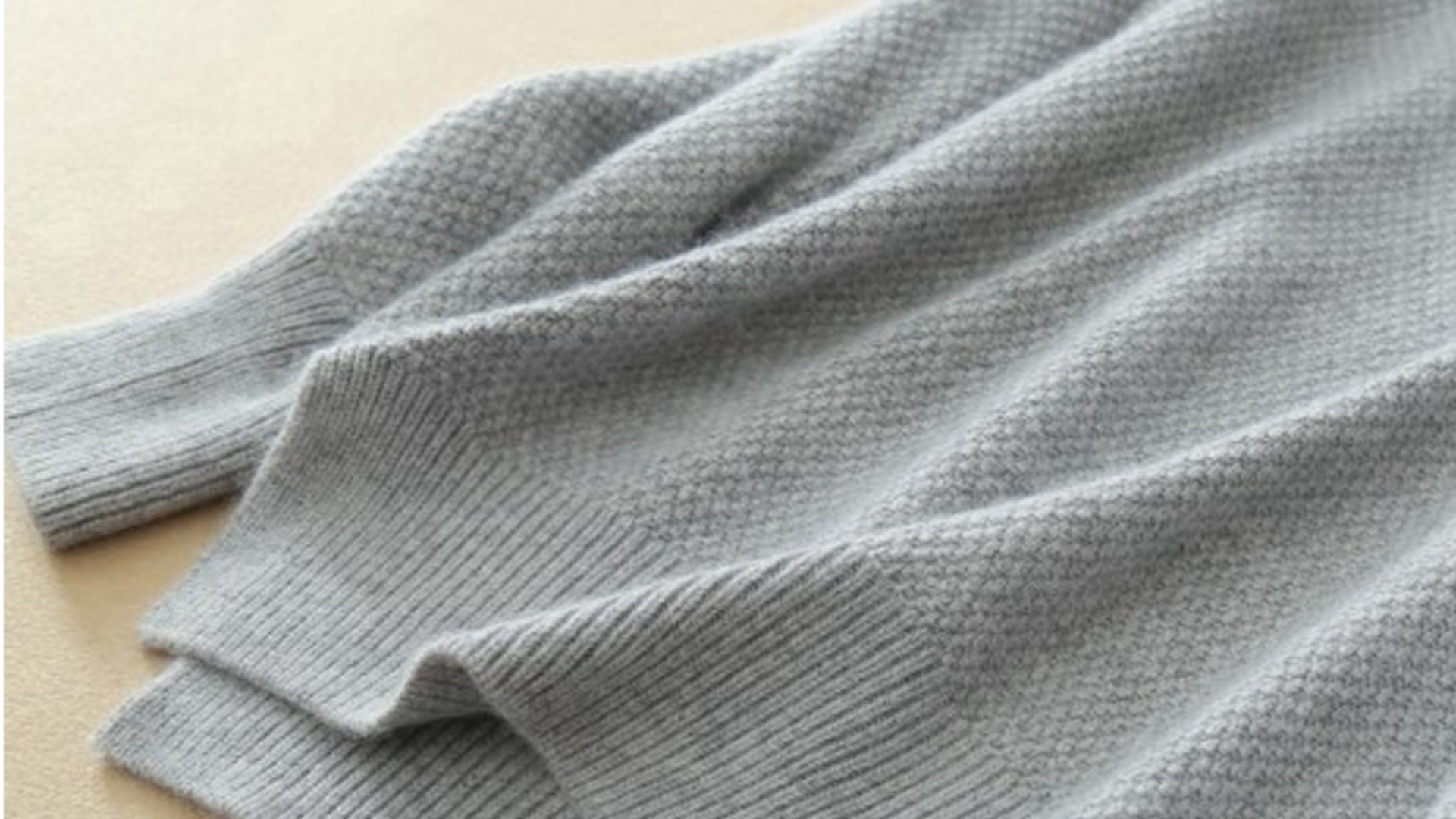
But felting is not easy. If it is not enough, there will be no soft fuzz, and the sweater won’t feel soft. If it is too much, the fibers will turn into hard felt. The sweater may shrink a lot, get stiff, and lose its stretch. This damage can’t be fixed. So controlling every step well is the most important part of felting.
Key Factors
To get the ideal felting effect, laundries should make a refined adjustment to the six core factors.
● Felting Agent
It is necessary for the process. Its quality directly determines the starting effects of the felting. A good one should have three characteristics:
- wet the wool fibers quickly
- Make the fibers rub against each other easily
- wash off completely
The dosage depends on the sweater’s material. Usually, it’s 0.3% to 3% of the sweater’s weight. Too little won’t work, and too much will felt the sweater too much.
● Liquor Ratio
This is the ratio of the sweater’s weight to the felting liquid. A ratio of 1:10 means 1 kg of sweater needs 10 liters of liquid.
- If the ratio is too low (not enough liquid), the sweater will rub too much against the machine. This makes some parts felt too much and others not enough.
- If the ratio is too high (too much liquid), the fibers won’t rub enough, and laundries will need more time to finish.
For sweaters, a ratio of 1:25 to 1:35 is nice.
● Temperature
Temperature affects how fast the wool fibers swell. The right temperature makes felting faster and more even. But if it’s too high, the fibers swell too quickly and get over-felted. The safe temperature is 30℃ to 40℃.
● pH Level
Wool fibers are sensitive to acid and alkali.
- If the pH is too low (too acidic), the fibers will become weak, and the sweater will feel dry.
- If it’s too high (too alkaline), the fibers will get damaged. The sweater may turn hard and brittle.
A pH level between 5 and 10 is best.
● Mechanical Forces
It makes the fibers twist together.
- Too much movement causes uneven felting.
- Too little movement means the fibers won’t twist enough.
Professional felting machines can control this well. If laundry shops use a regular washing machine or do it by hand, staff should use more liquid (a higher ratio) to reduce friction and avoid over-felting.
● Time
Time depends on the sweater’s material. Cashmere and wool sweaters usually take 5 to 15 minutes. Rabbit hair sweaters are harder to felt, so they need 20 to 35 minutes.
Two Common Felting Ways
In the actual processing and production of sweaters, there are two kinds of felting methods: detergent felting method and solvent felting method. Among them, the detergent felting method has become the most commonly used method in the industry due to its simple operation, moderate cost, and stable effect. The solvent felting method is mostly used in the processing of high-end sweaters or sweaters made of special materials.
● Detergent Felting
It is the most common way because it’s easy, cheap, and works well.
Soak the sweater in 35℃ water for 5 to 8 minutes → Remove extra water → Prepare felting liquid → Felt → Wash → Remove extra water → Soften → Remove extra water → Dry
● Solvent Felting
Solvent felting needs special machines. And it is used for high-end sweaters.
Clean the sweater with solvent → Remove extra solvent → Felt it at 30℃ to 40℃ for about 5 minutes (mix solvent, emulsifier, and water) → Remove leftover solvent → Make it softer → Dry it
● Important Tip
Felting is harder than fixing a stretched sweater. If it is done improperly, the sweater will be ruined. We suggest that only experienced workers do felting. If you’re not sure how to do it, don’t try.
Conclusion
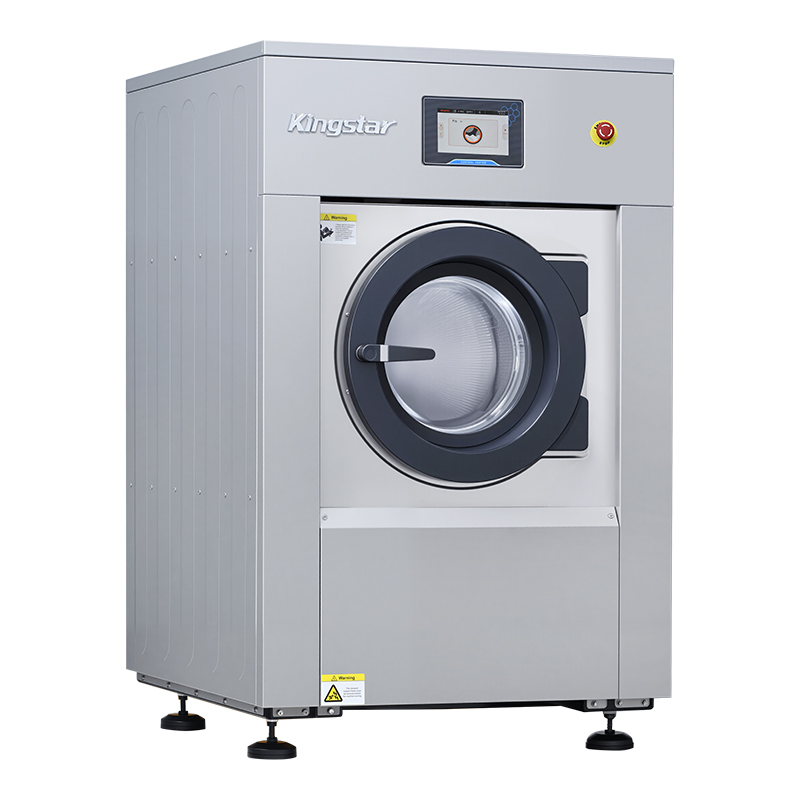
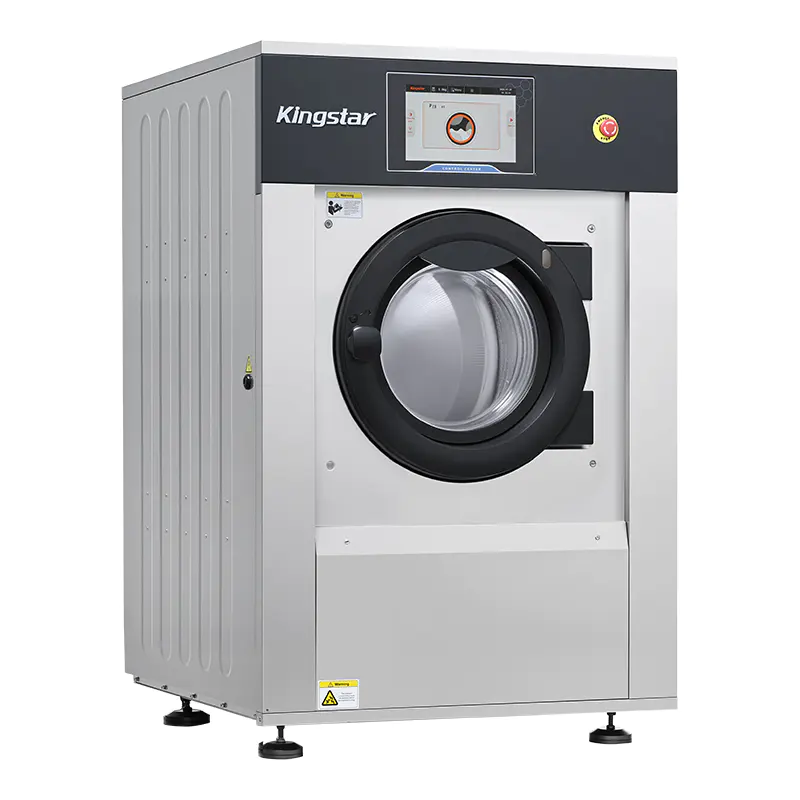
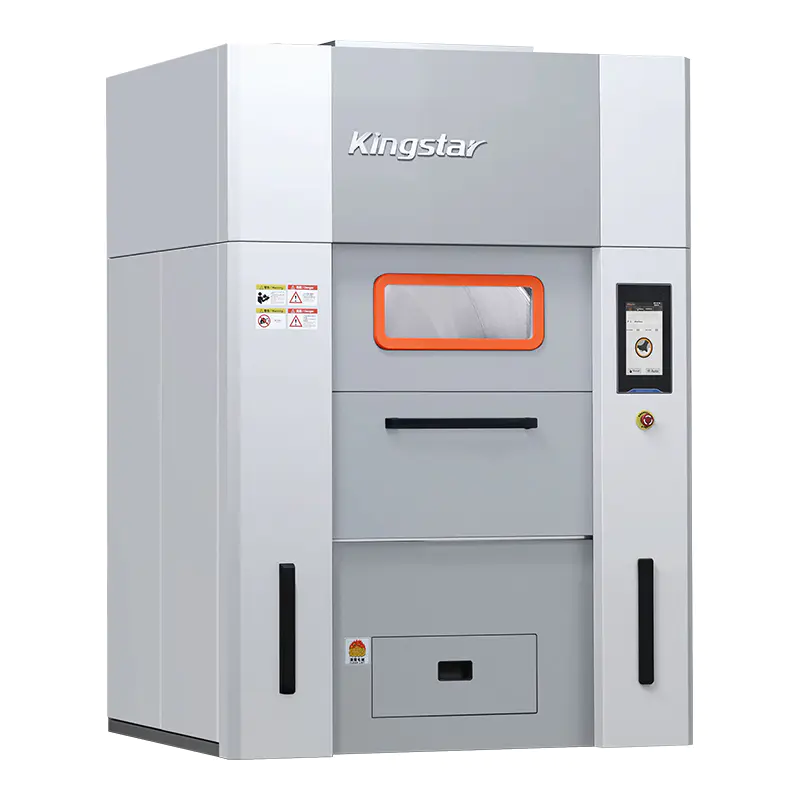
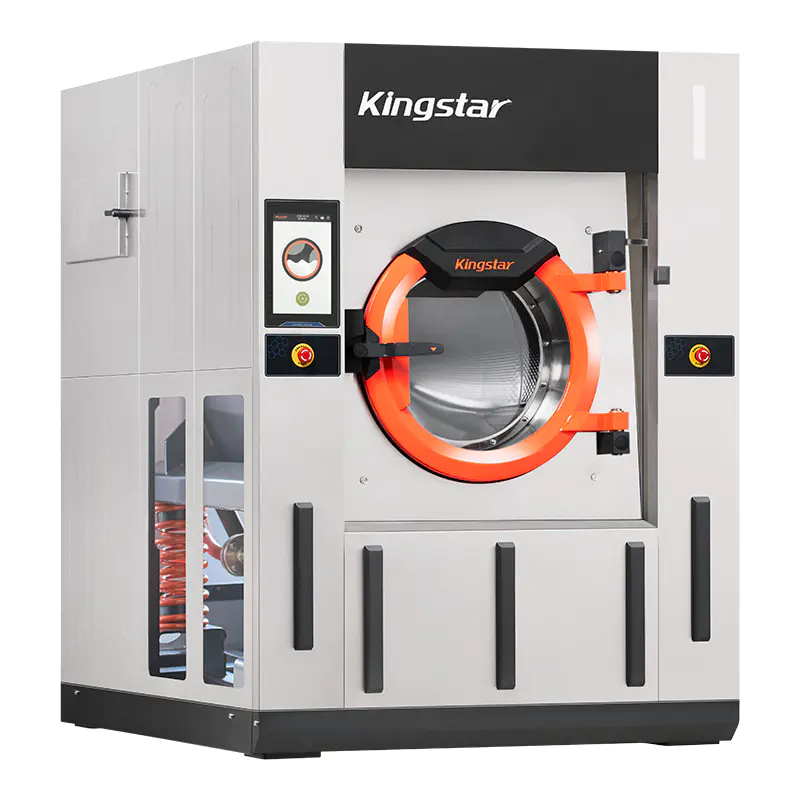
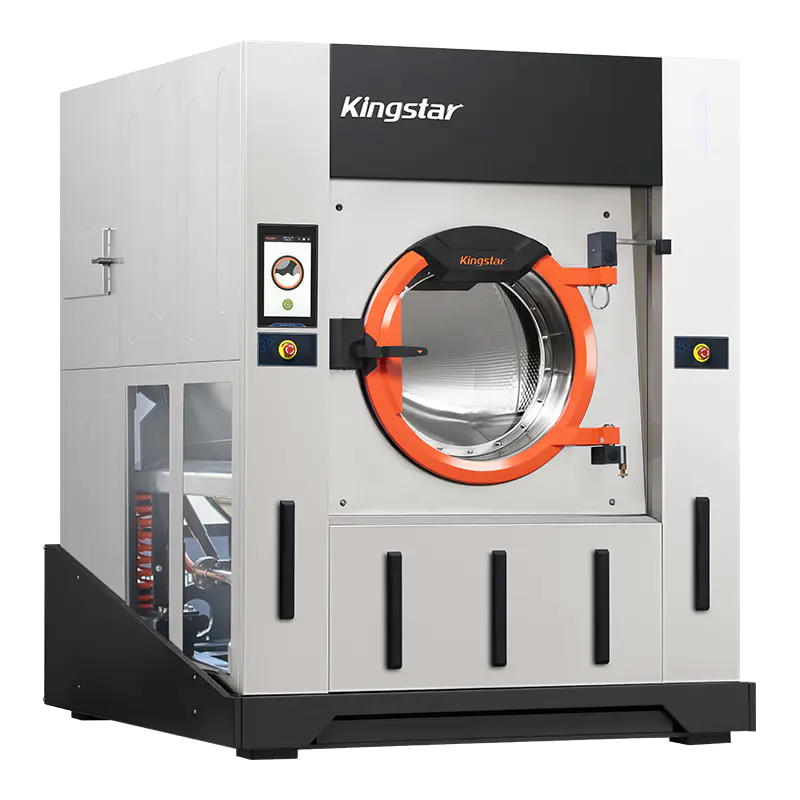
Laundry shops can avoid sweaters from stretching by washing them properly. Machines like Kingstar wet cleaning machines SHS-2025P let laundries set gentle programs for different fabrics. With soft movement, the right temperature, proper time, and fiber-friendly detergent, laundry shops can wash woolen sweaters safely.
ADD:No.388 Xinggang Road, Chongchuan District, Nantong City, 226000, Jiangsu Province, China.
-
Phone: +86-13917089379
-
Tel:+86-13917089379
-
Fax:+86-0513-85663366
-
E-mail:louislu@kingstarlaundry.com