英语
英语 俄语
俄语 西班牙语
西班牙语 德语
德语
Home / News / Industry News / Insights into Japan’s Laundromat Industry: A Refined, Essential Business

Kingstar is your trusted partner for industrial and commercial laundry equipment. We specialized in the R&D and manufacturing of high-end industrial washers, commercial washers and dryers. Meanwhile, we provide global clients with comprehensive planning, layout workflow design, and software-hardware integration services for smart laundry plants.
Industry News
Oct 02,2026
Insights into Japan’s Laundromat Industry: A Refined, Essential Business
In the long run, the self-service laundry industry has been associated with unattended operation, passive income, and low labor costs. Many overseas investors see it as a stable passive-income asset. Japan’s laundromat industry has evolved over half a century. It has developed mature franchise systems, equipment supply chains, and operational services. However, the industry differs from a “hands-off” business.
Based on publicly available industry data up to September 2026, Kingstar examines Japan’s laundromat industry from customer demand and the industry landscape. It offers valuable insights for investors in the global commercial laundry and laundromat industry.
Many overseas investors may wonder why laundromats can continue to survive even though household washing machines are popular in Japan. Japanese laundromats mainly help address issues that household machines cannot handle. They do not aim at customers without household machines.
Background
Japan’s laundromat industry emerged in the 1960s. The early stores were located alongside public bathhouses. At that time, many single-person residents and young renters did not have washing machines. They took a bath while doing their laundry. With water supply and boilers, bathhouses provided low-cost laundry services. This became an early shared laundry service. As living conditions improved, household washing machines became popular. Laundromats also transformed into a convenient way to outsource household laundry.
Laundry Demand
Today, demand for laundromats mainly comes from four scenarios: bulky-item cleaning (such as heavy bedding and carpets), difficulty drying garments on rainy days, large-volume laundry, and customers wanting to save time on drying and organizing garments. Customers can wash regular shirts and small garments at home. However, their demand for outsourced laundry remains stable for bulky items (such as duvets and curtains) and large-volume laundry.
These needs are relatively flexible. Customers’ willingness to visit a store depends on travel distance, time, and weather. Therefore, site selection is more than the local population. Customer traffic flow, transportation barriers, and parking availability can affect foot traffic. In the same residential area, a main road separation can significantly reduce customers’ willingness to visit. Large laundromats serving families should provide parking areas for shopping needs. Urban small-sized stores should be accessible by walking or cycling.
Current Industry Landscape
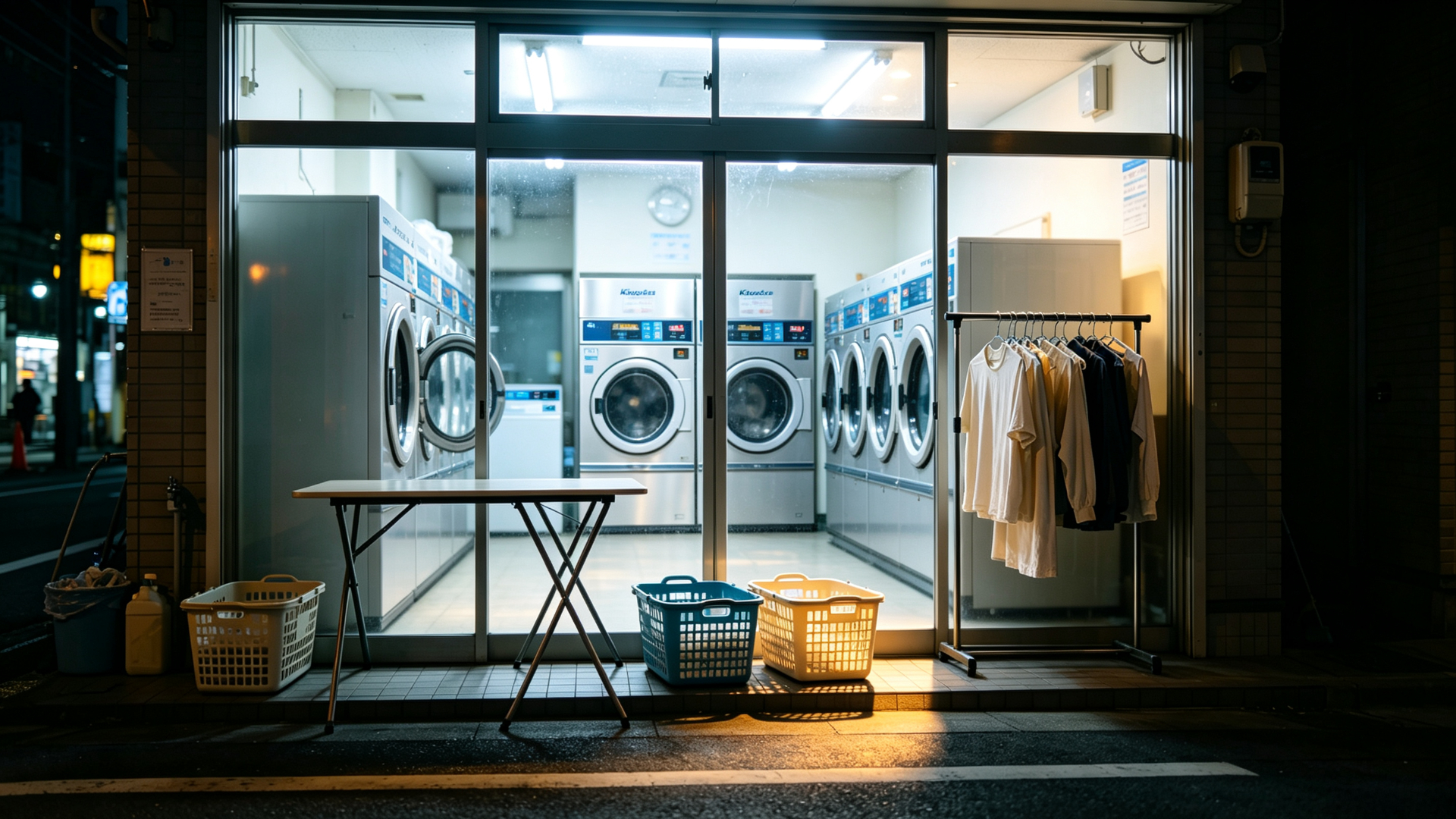
According to Japan’s coin-operated laundry industry association, the total number of laundromats has exceeded 26,000. However, as the number of stores is rising, equipment utilization has not increased at the same rate. Per-store revenue growth remains slow. Industry competition is also intensifying. The increase in the number of stores does not mean market demand has also expanded. Franchisors continue to expand networks and open new stores. But this cannot ensure satisfactory returns for every investor.
In Japan, store expansion and closures occur at the same time. The number of stores fell from 583 at the end of 2024 to 571 at the end of 2025, based on the public monthly report from the listed self-service laundry company WASH HOUSE. By the end of August 2026, there were 563 stores. During the first 8 months of 2026, two stores were opened while ten were closed. Meanwhile, Blue Sky Laundry continues to expand. On September 4, 2026, the 419th store was opened. The data indicate that the market tailwind cannot benefit all operators. Due to trade areas, brands, and opening ages, operating performance can be different.
Store revenue can vary by season. WASH HOUSE’s sales data showed a 14% year-over-year increase in July 2026. But it fell 12.5% year-over-year in August. Peak-season sales per month cannot represent the full-year business performance. Investors cannot assess store profitability based on short-term peak-season figures. The most difficult situation is not a store without customer traffic, but one whose revenue can just cover utilities and rent. The revenue is not enough to cover loans, operations and maintenance costs, and equipment replacement. This type of store can remain in operation for years. By checking whether the store can operate normally, one can easily overestimate the investment value.
Operational Focus
Unattended operations can mislead new investors. They may think that self-service operations require no labor. In reality, unattended operations are only about front-end customer self-service operations. Back-end equipment inspection, breakdown repair, cleaning, consumables supply, and customer complaint handling still require labor and operations and maintenance costs. Chain brands only transfer these tasks to the headquarters’ service networks. Business costs still remain.
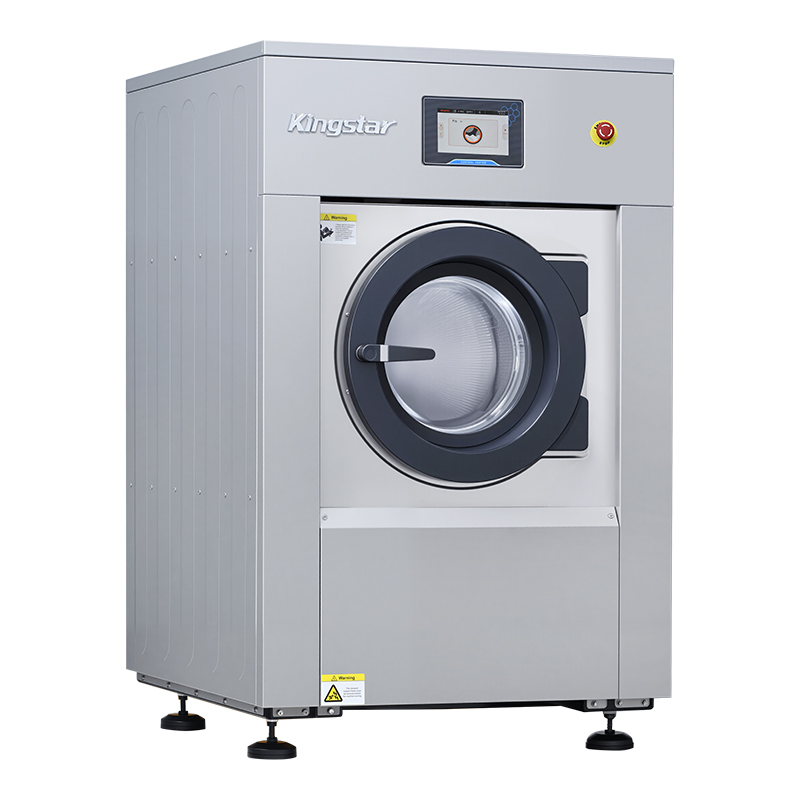
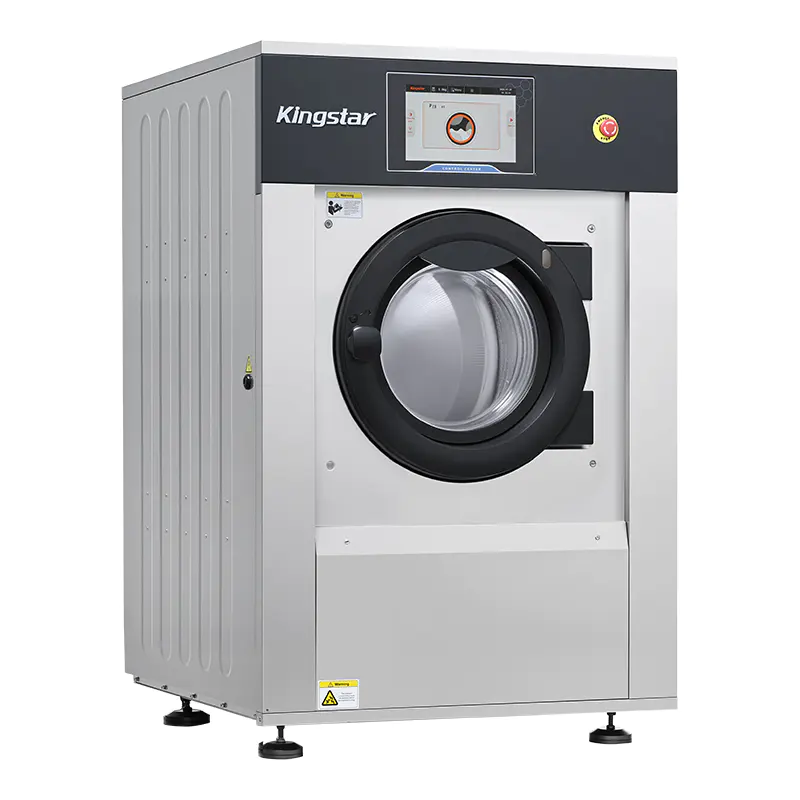
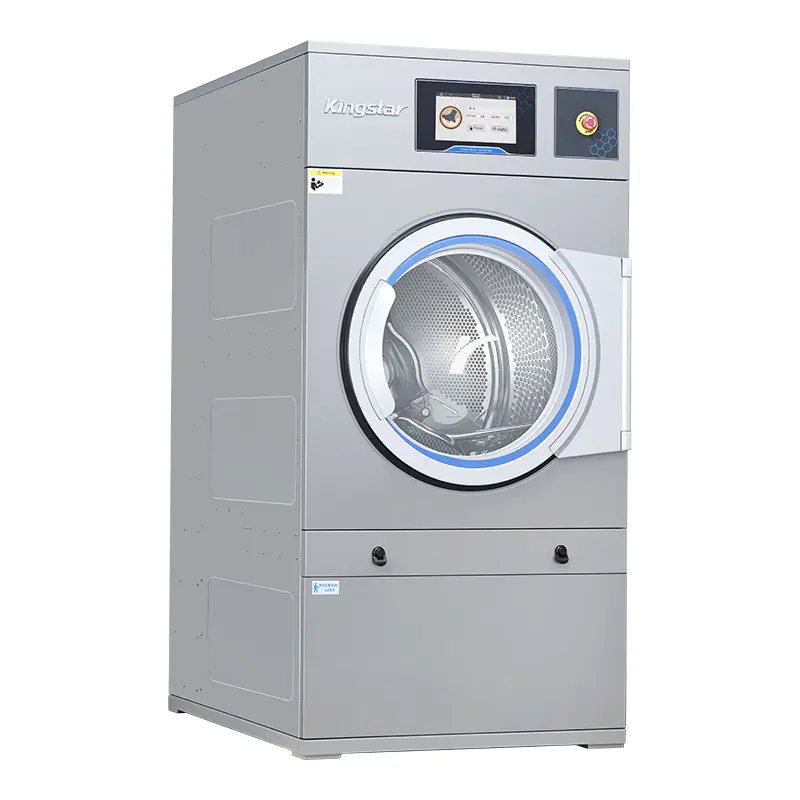
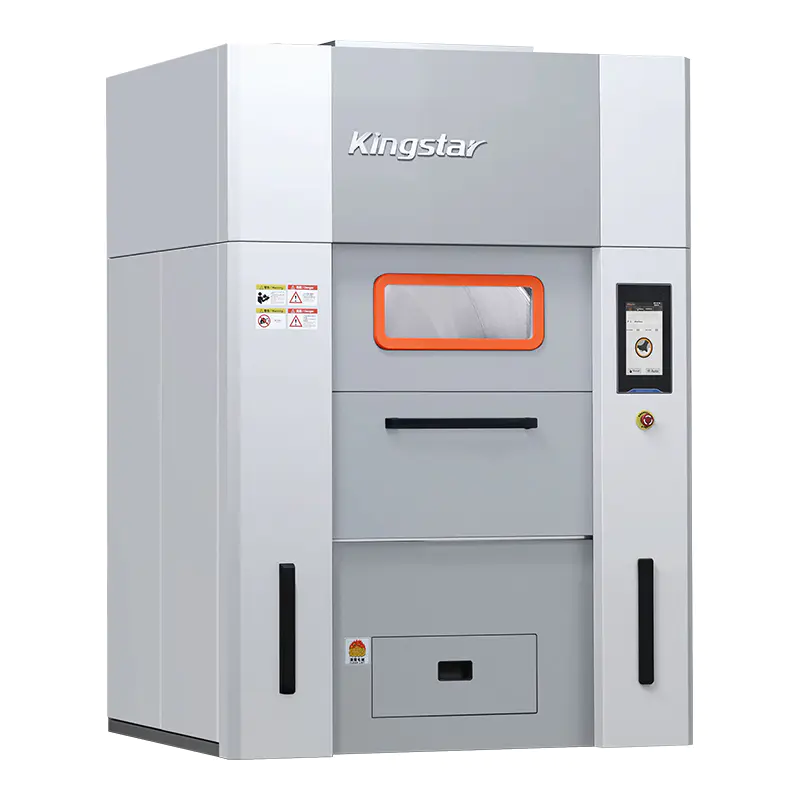
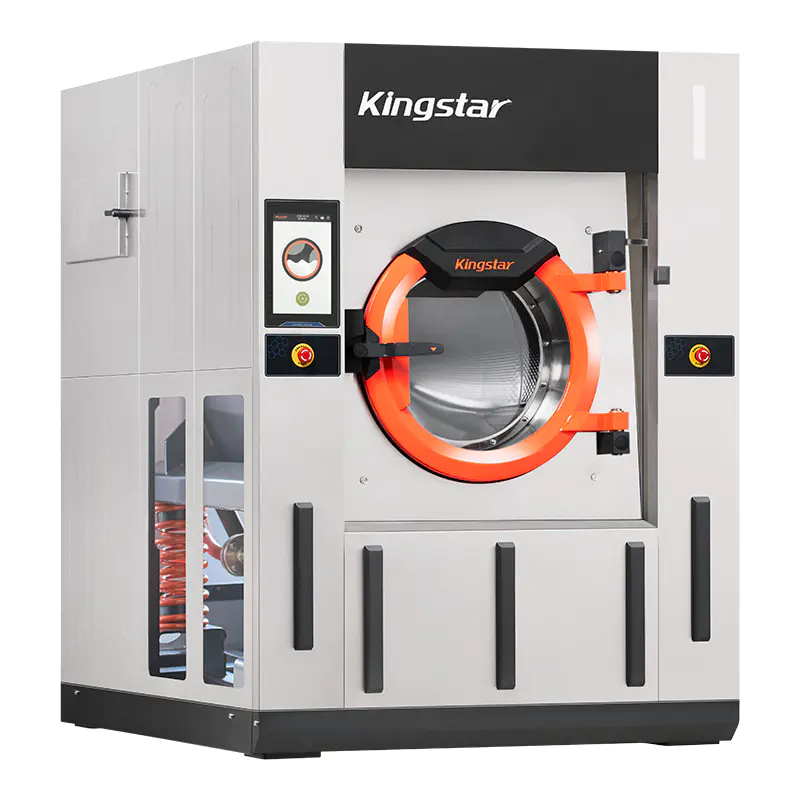
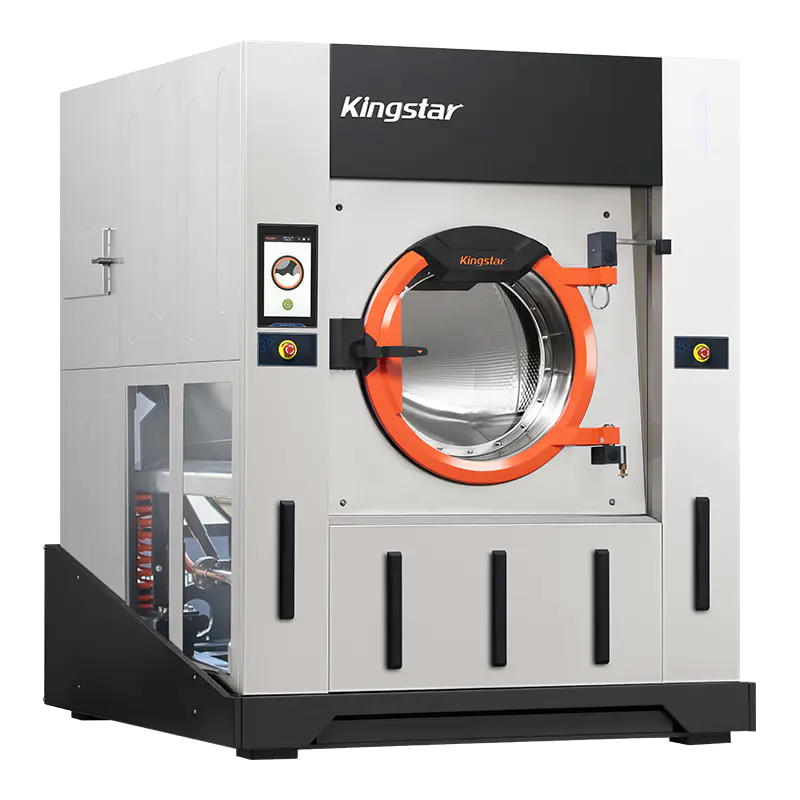
Kingstar is a professional manufacturer of commercial and industrial washers and dryers. It focuses on self-service laundry and commercial laundry applications. For long-term development, equipment should maintain stable operation. This can meet laundry demand for bulky textile care. Kingstar provides commercial washers and dryers and wet cleaning machines and dryers for delicate fabrics. Due to high durability and low failure rate, they are suitable for community-based stores and laundromats alongside retail centers. This can reduce long-term maintenance burden.
Conclusion
Self-service laundry is a long-term, refined business, rather than a simple investment. The industry still has growth opportunities. Before entering the market, investors should move beyond the hands-off business. Instead, they should focus on underlying factors (such as real demand in trade areas, equipment lifecycle costs, and customer traffic flow). In a competitive market, laundromats can solve laundry problems that are difficult to handle at home. This is key to sustainable profitability.
Q&A
Q1: Why are more laundromats opening in Japan while individual stores make less money?
A1: The total number of laundromats has exceeded 26,000. Industry competition continues to intensify. However, resident laundry demand and equipment utilization have not increased. New stores divert existing customer traffic. Thus, the revenue of individual stores grows slowly.
Q2: Do laundromats mean hands-off business?
A2: No. Laundromats are self-service. However, daily operations require costs (including equipment inspection, consumables supply, breakdown repair, and customer complaint handling). Laundromats are refined businesses that focus on equipment and maintenance.
Q3: Why do laundromats have different operating performance?
A3: The mature market has been highly differentiated. Key factors behind the differences are site selection, customer traffic flow, equipment performance, trade-area demand, and seasonal fluctuations. Performance does not simply depend on market tailwinds.
ADD:No.388 Xinggang Road, Chongchuan District, Nantong City, 226000, Jiangsu Province, China.
-
Phone: +86-13917089379
-
Tel:+86-13917089379
-
Fax:+86-0513-85663366
-
E-mail:louislu@kingstarlaundry.com
products