英语
英语 俄语
俄语 西班牙语
西班牙语 德语
德语
Why Are Laundromats Still Popular When People Own Washing Machines
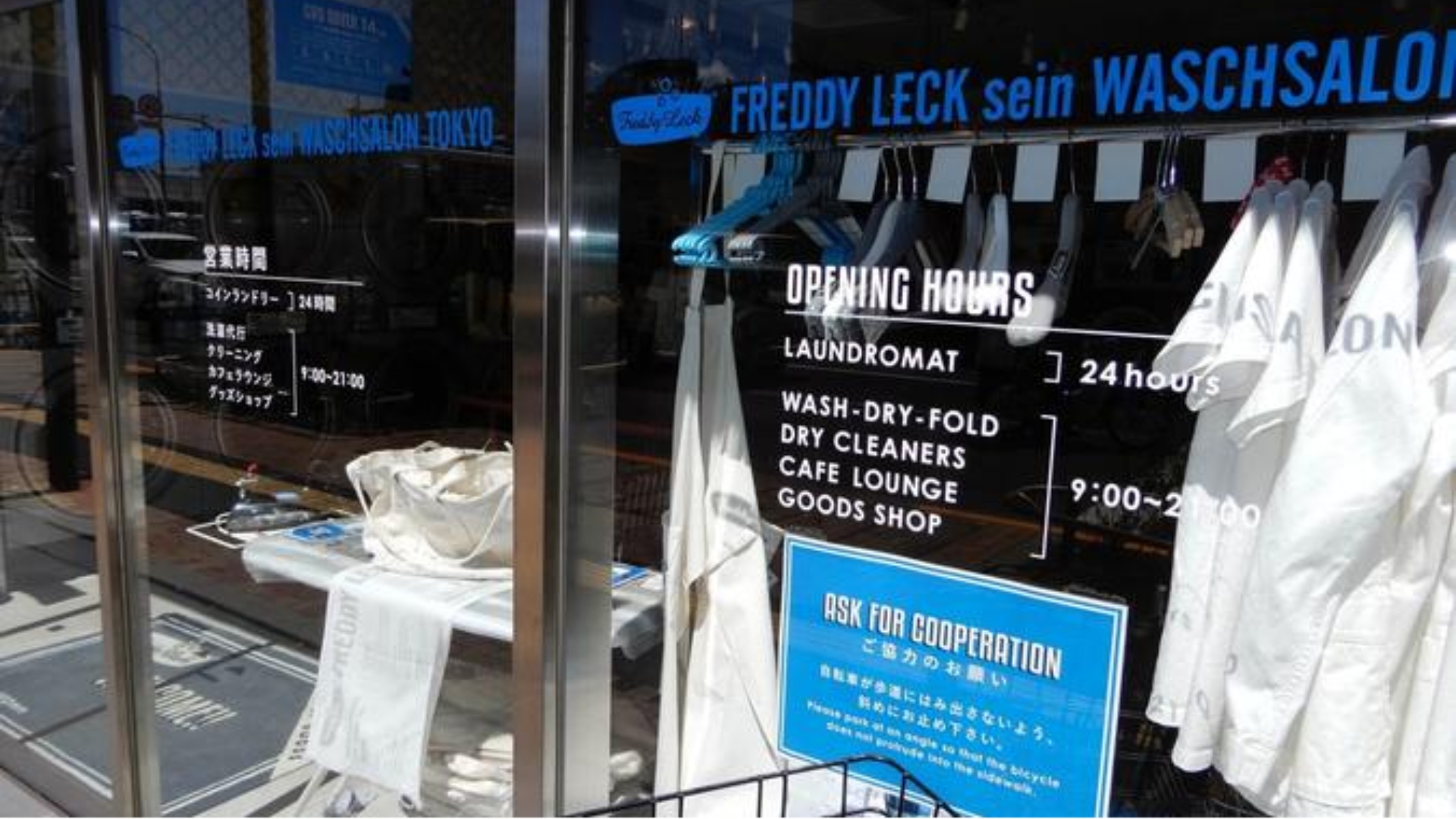
Laundromats are widespread in Japan. Many people may wonder why laundromats remain common in Japan even with advanced technology and convenient lifestyles.
Many overseas students have the same question. Rented houses are not equipped with washers. They can only do the laundry at nearby laundromats. After several visits, they find the per-use pricing is relatively high. Thus, they buy washing machines. But why are laundromats becoming increasingly popular even with household washing machines?
Actually, people misunderstand the real purposes of laundromats. Japanese people often send quilts, blankets, curtains, and large garments that cannot be handled at home to laundry shops. According to the latest study in Japan in 2025, 61% of Japanese go to laundromats for cleaning large household textiles. They also have urgent drying needs on rainy days and handle bulky garments.
Singapore
This situation is similar in Southeast Asia.
Singapore has a hot and humid climate throughout the year. The air humidity often remains over 80%. It is difficult to air-dry garments. Residents in Singapore point out that air-drying is impractical in humid environments. Besides, Singapore HDB flats can create limitations for air-drying. Most houses have no balconies. People can only insert bamboo poles under kitchen windows for air-drying. Garments cannot drip water. Otherwise, residents may face penalties. Thus, winter quilts and other bedding cannot be dried in such conditions.
Singaporeans have developed similar laundry habits to those of Japanese consumers. They handle small daily items at home. Large household textiles and garments requiring rapid drying are sent to laundromats. Singapore has developed clear self-service laundry guidelines. Laundromats can process bulky items (such as bedding, quilts, pillows, and curtains). Household washing machines cannot handle these items. On rainy days, garments cannot be dried. Laundromats can offer rapid drying services.
Laundry demands drive up the growing market. Laundromats in Singapore have spread from urban areas to various communities. Many stores provide 24/7 services. They use large-capacity washers from 10 kg to 20 kg. Detergents can be automatically dosed. The drying process is charged at 1 SGD per 5 minutes. The Singapore self-service laundry market is considered a mature and recession-resistant industry. Some communities (high-density residential areas, rental housing areas, small-sized flats that lack laundry facilities) have strong demand for laundromats.
Other Markets in Southeast Asia
Laundromats are growing rapidly in Southeast Asia. According to the industry study, the scale of the Southeast Asia laundry service market in 2026 is expected to reach up to USD 5.87 billion. It has increased by over 47% compared with 2020. The compound annual growth rate (CAGR) has remained at around 7.2%. More than 4,200 laundromat outlets will be opened between 2025 and 2026. It is expected to cover 75% of medium- and large-sized cities before 2030.
Thailand is one of the most rapidly growing markets. In 2025, Thailand’s laundry service market size has reached 1,800 million dollars. It has increased by nearly 40% compared with 2020. The proportion of laundromats is expected to exceed 30% in 2026.
Vietnam has also increased rapidly. In 2025, the coin-operated commercial laundry market has reached around 205 million dollars. It is expected to increase to 468 million dollars in 2031. The CAGR is as high as 14.75%. Ho Chi Minh City and Hanoi are two major cities. 18 million residents create a strong demand base. They are mainly renters, students, and office workers.
Indonesia is one of the countries with the highest utilization of laundromats in Southeast Asia. In 2025, the coin-operated commercial laundry market is around 123 million dollars. It is expected to reach 228 million dollars in 2031. The CAGR is 10.83%. The apartments, dormitories, and rental housing areas in cities like Jakarta, Bandung, and Surabaya on Java Island have high machine utilization.
Development Trends
Laundromats in Southeast Asia have been evolving. For example, Hangout Laundry in Singapore installed air conditioners. It also serves as a café and a shared office space. The basic washing for 16 kg of items costs 7 SGD for 30 minutes. The drying service costs 1 SGD per 5 minutes. The prices are the same as those of non-air-conditioned laundry shops. The owner did market research before opening. He found that most laundry shops were hot. Thus, he chose to use air conditioners and comfortable environments to build competitive advantages. As a result, this attracted customers from nearby communities in Tampines and Kembangan.
The Daily Tumble provides special care services for pet owners. They can wait for the laundry while drinking kombucha or specialty coffee.
In Southeast Asia, air drying is infeasible under hot and humid conditions. Large-item laundry becomes a challenge in small-sized and high-density residential areas. However, laundromats can address the issues that household washing machines cannot handle. They are no longer about simple cleaning services.
Conclusion
Household washing machines can meet the demands of processing daily garments. Laundromats can address issues, such as large-item cleaning, rapid drying, and limited space. They complement each other.
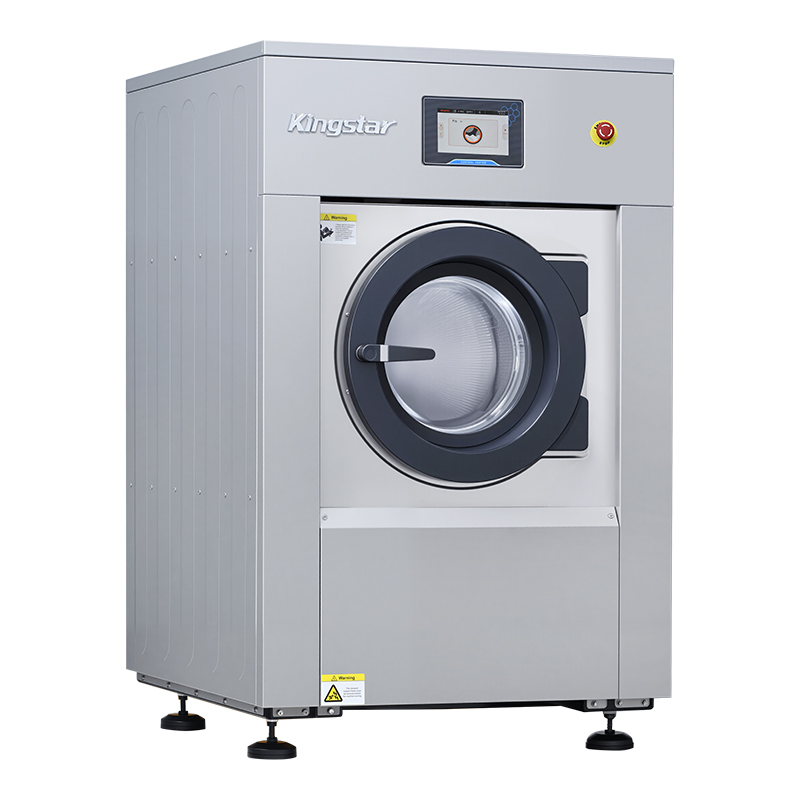
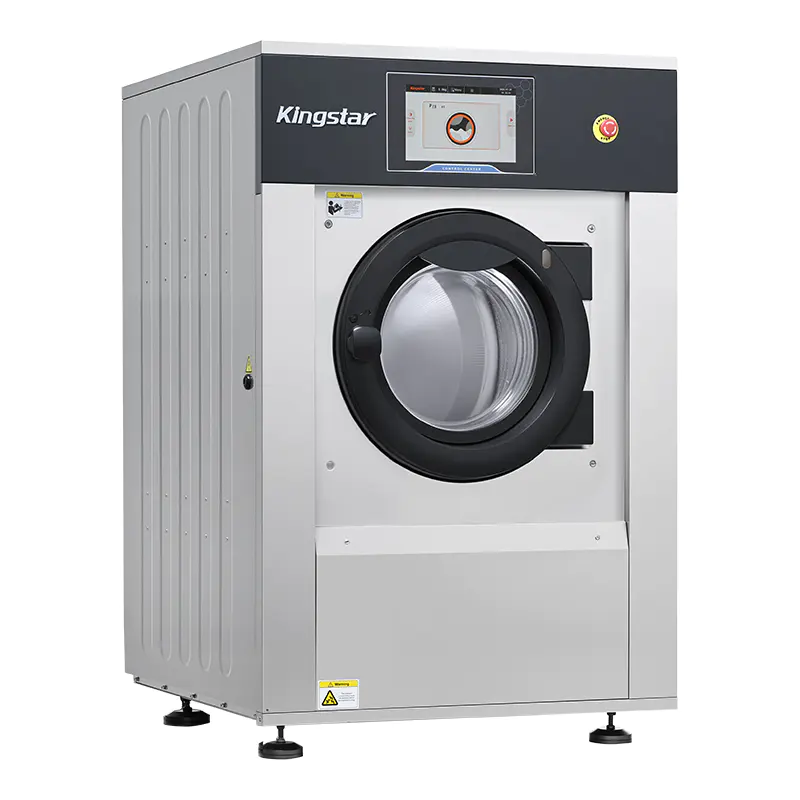
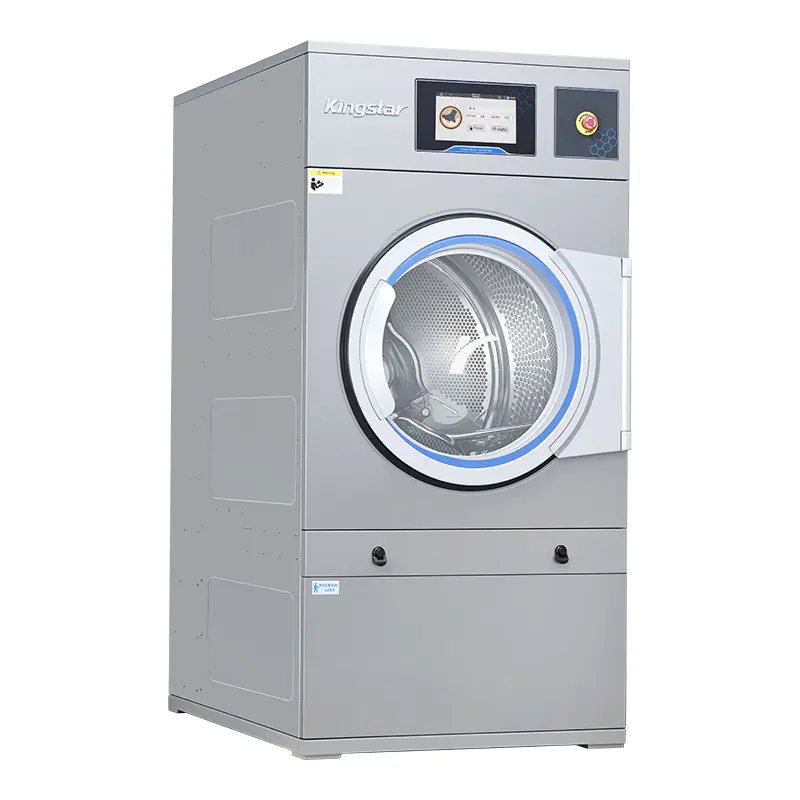
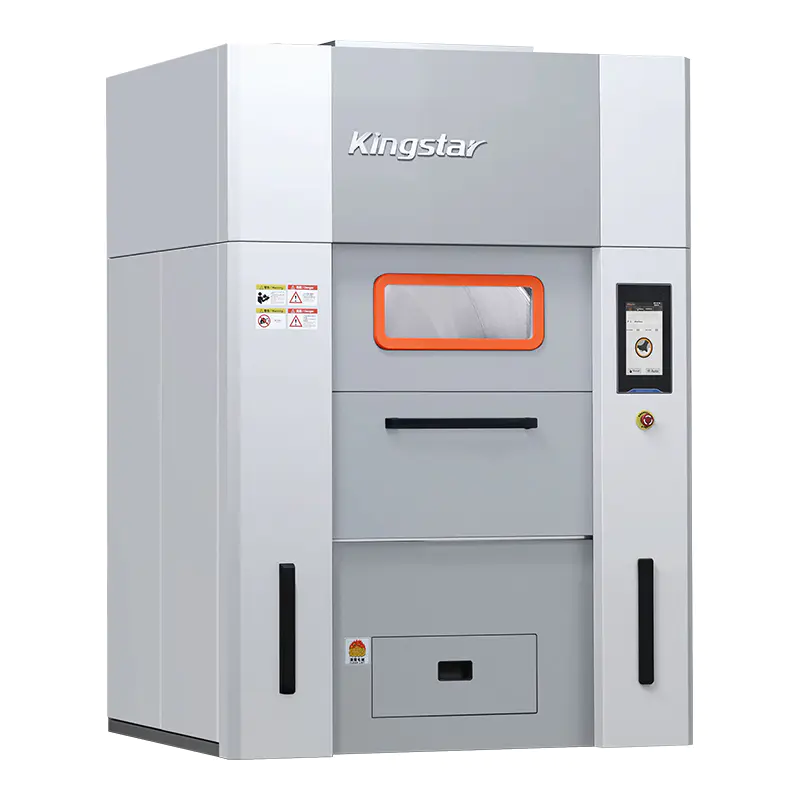
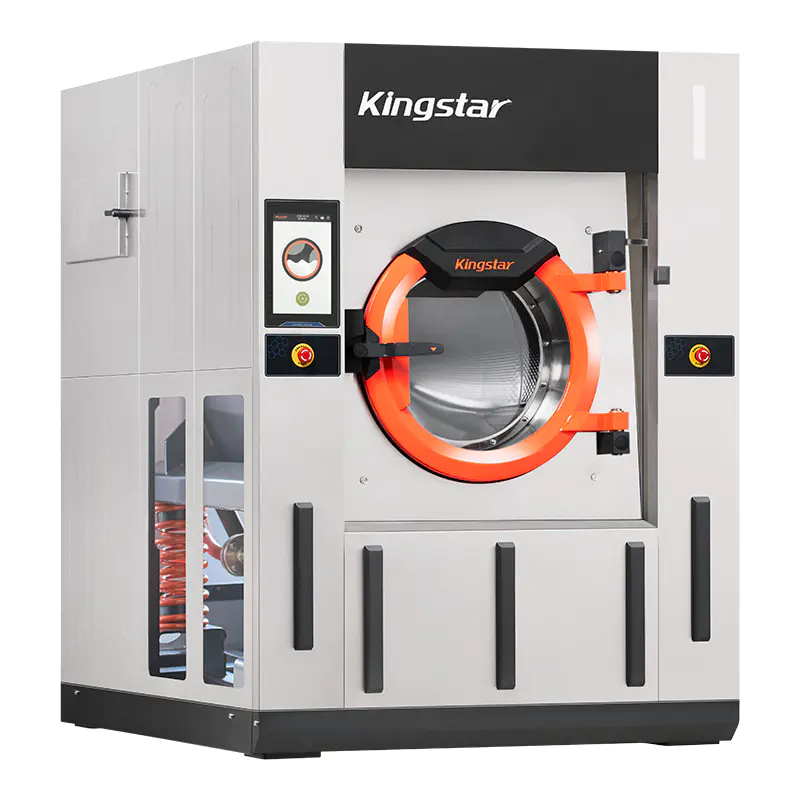
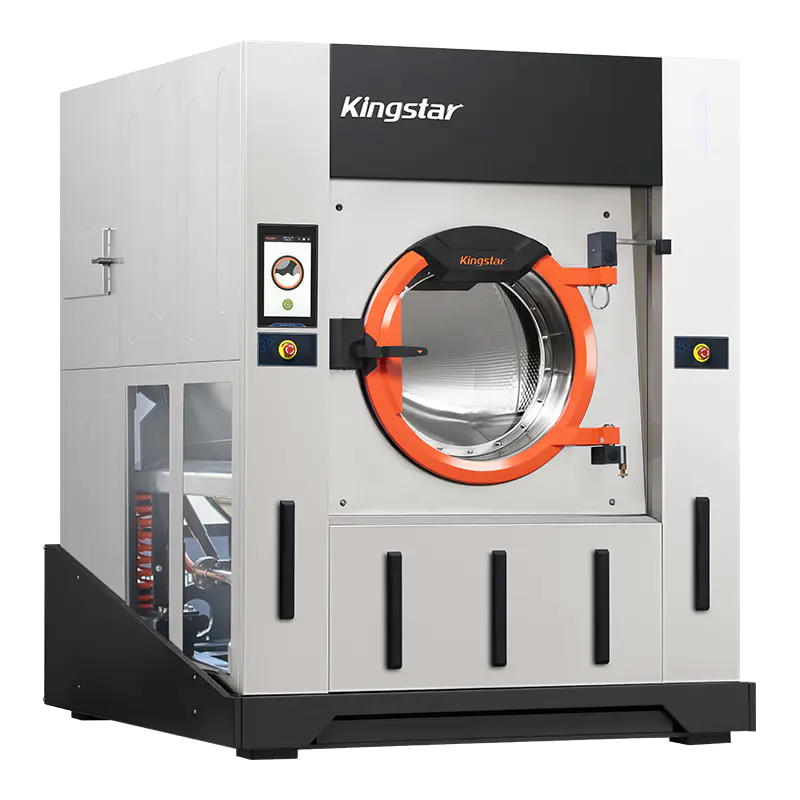
When choosing laundry equipment, laundromats should fully consider the users’ requirements. For example, they can add large-capacity washers and dryers. Kingstar provides 25 kg self-service washers and dryers and stacked washer-dryers. They can improve space utilization. Besides, laundromats can install dedicated pet washers. This can meet the requirements of pet families. This can also attract more repeat customers.
Q&A
Q1: How can laundromats choose dryers and washers?
A1: The total capacity of dryers should be slightly larger than that of washers. This can reduce waiting during peak hours. If a laundromat has limited space, choose Kingstar stacked washer-dryers.
Q2: If I want to open a laundromat, what is the configuration ratio of 15 kg and 25 kg washers?
A2: This is based on the laundromat’s customer base. Take the store with 10 washers as an example. If customers are students, dormitory residents, or single renters, choose 7-8 small-capacity washers and 2-3 25 kg washers. If customers are families, the number of 25 kg washers can be raised to 40%.
Q3: Do dryers in laundromats charge by processing time? Can per-use pricing be feasible?
A3: The popular charging method is based on drying time. The pricing of large dryers is higher than that of small ones. Some laundromats can use the per-use pricing method. But they often limit the drying load or drying time per cycle.
ADD:No.388 Xinggang Road, Chongchuan District, Nantong City, 226000, Jiangsu Province, China.
-
Phone: +86-13917089379
-
Tel:+86-13917089379
-
Fax:+86-0513-85663366
-
E-mail:louislu@kingstarlaundry.com