英语
英语 俄语
俄语 西班牙语
西班牙语 德语
德语
Laundry Shops Guide: How to Select the Right Stain Removers
In laundry shops, laundry chemicals directly determine the stain removal performance of garments, fabric integrity, and laundry quality. Today, there are various types of garment care chemical brands in the market. Different chemical plants use different stain-removal formulations. This requires laundry shops and factories to select more suitable stain removers and build a specific laundry chemicals system based on their equipment properties, clothing types, and customer requirements.
In the industry, no manufacturer monopolizes all the laundry chemicals. There is also no single stain remover suitable for all fabric stains. Chemical companies have their own technical and product line advantages. Therefore, laundries don’t need to be limited to a single brand.
Operators can conduct comparative field tests on different samples from chemical suppliers with in-store wet cleaning machines and spotting tables. Through actual stain removal performance, fabric damage rate, and operating cost, they can select the suitable products. Besides, the key to maximizing chemical effects and cleaning results is to strictly follow the operational standards, control dosage, and laundry duration.
Neutral Lubricant
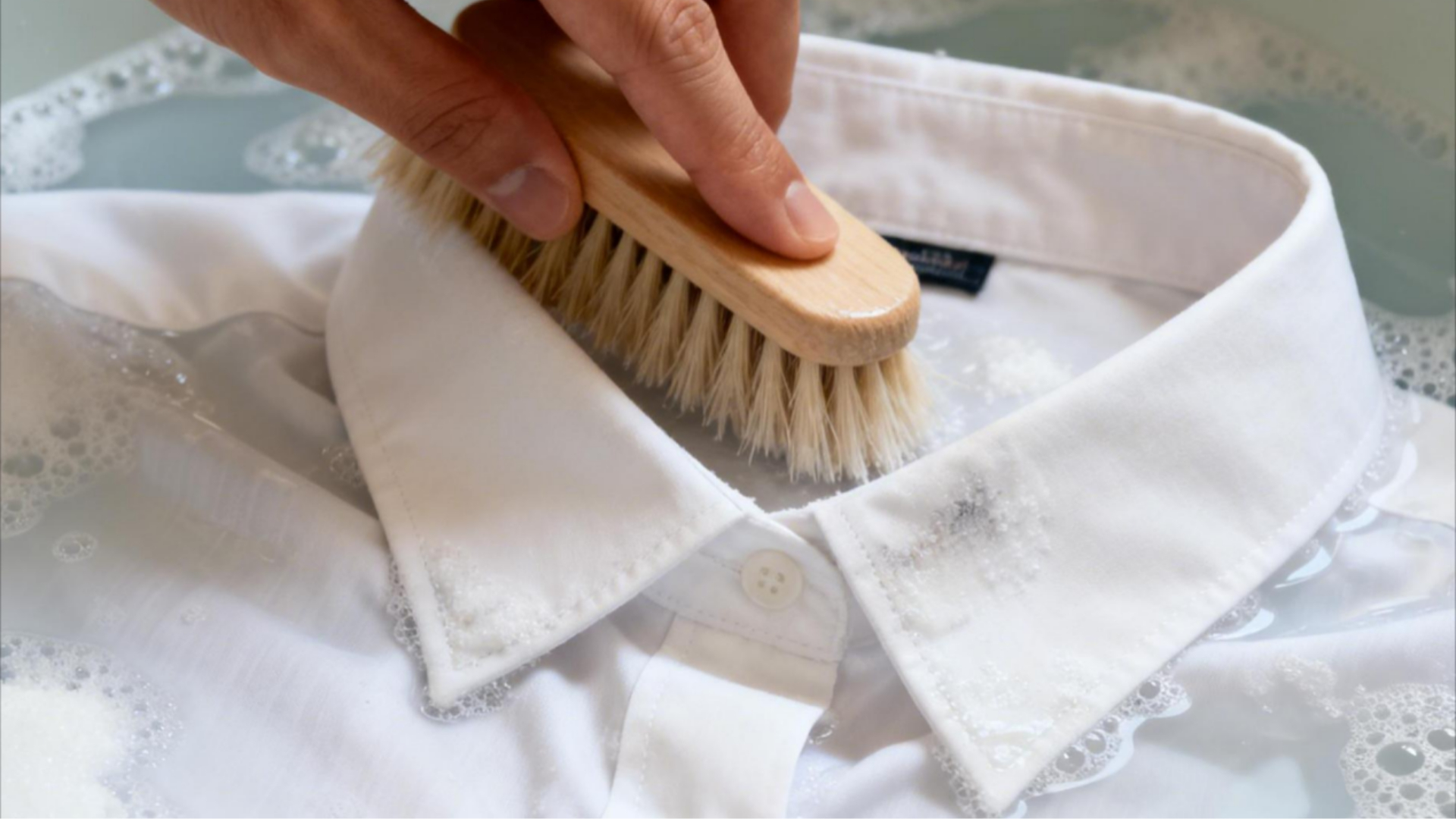
Neutral lubricant is an indispensable chemical for removing water-based stains on garments. It is also the key material for wet cleaning machines, which is often ignored by many technicians. The quality, dilution rate, and usage timing of neutral lubricant directly affect the final stain removal results.
Standardized operation:
Pre-rinsing the stains through mechanical action and the spotting table. Clean stubborn stains and apply the lubricant to garments.
This chemical can provide dual protection and remove stains. It can form a protective layer on the surface of fabric fibers, avoiding problems like abrasion, embrittlement, and discoloration. Besides, it can quickly penetrate into the stains, decompose their molecular structures, and accelerate stain emulsification. Various water-based stains can be removed from fibers during the wet-cleaning process, significantly reducing the difficulty of stain removal.
Protein Stain Remover
Protein stain remover is mainly for removing sweat, blood, milk, and food protein stains. Prioritize the alkalinity when selecting this remover. The low-alkalinity formula is preferred. With the stable stain removal performance, it is suitable for natural protein fibers such as silk and wool. It is not easy to cause problems, including fabric scorching, fading, and stiffening. High-alkalinity and ammonia-based formulas have strong stain removal performance. However, it is only suitable for thick, durable fabrics. It should be controlled strictly when using it. It is not recommended to use it except for special stains.
Tannin Stain Remover
Tannin stain remover is mainly used for removing plant-based acidic stains, including tea, coffee, juice, and beverage stains. Safe and efficient tannin formula features a mild acidic formulation. It mildly removes stains and is suitable for most colored fabrics and delicate textiles. High-acidity tannin agents and tannin agents containing acetic acid have strong stain removal power, but a higher risk of usage.
Technicians can consult salespersons in chemical manufacturers. Under the professional guidance, they can try to combine the tannin formula with the protein formula properly. Through scientific combination, they can remove complex, stubborn stains. In the laundry industry, acidic and alkaline chemicals are not allowed to mix in principle. But under the support of professional formula and equipment, some chemicals can improve cleaning efficiency, providing new solutions for stains hard to remove.
Enzyme-based Stain Remover
Enzyme-based stain remover is a popular product in the laundry industry. Its principle is to decompose molecular protein stains into water-soluble substances through enzyme activity, which can be discharged with water. In different manufacturers, enzyme formulation has differences in activity, tolerable temperature, and safety performance. Laundry shops should be familiar with various enzyme-based products.
● High-temperature liquid enzyme
The tolerable temperature is up to 60℃. It has strong thermal stability. It is chemically stable in laundry processes. It is suitable for the high-temperature washing mode of wet cleaning machines. It can be used with the mechanical water flow of equipment. It is considered relatively safe. But for delicate fabrics, it should be used carefully.
● High-temperature alkaline enzyme
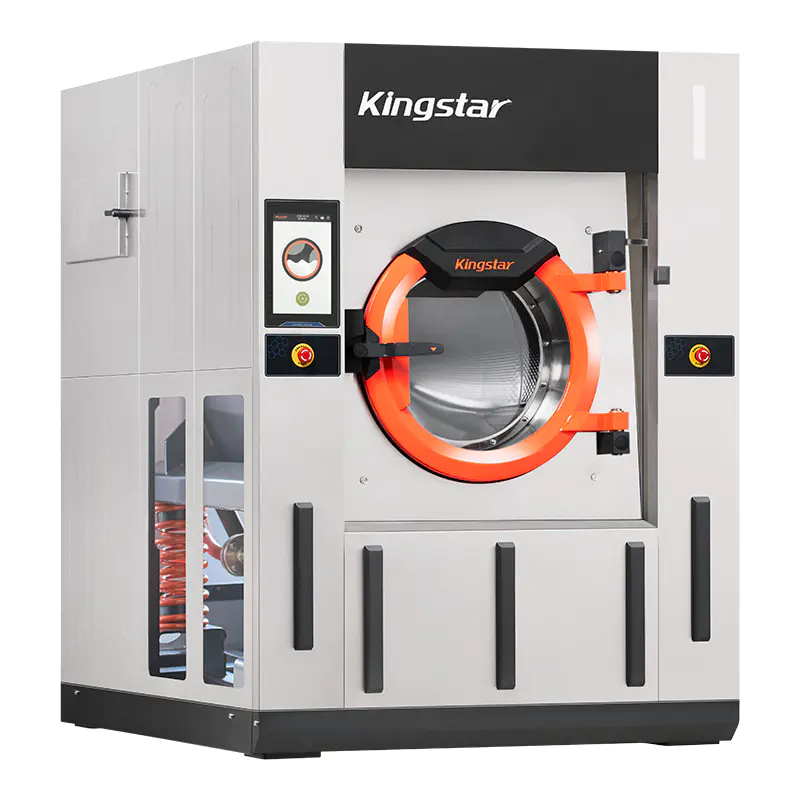
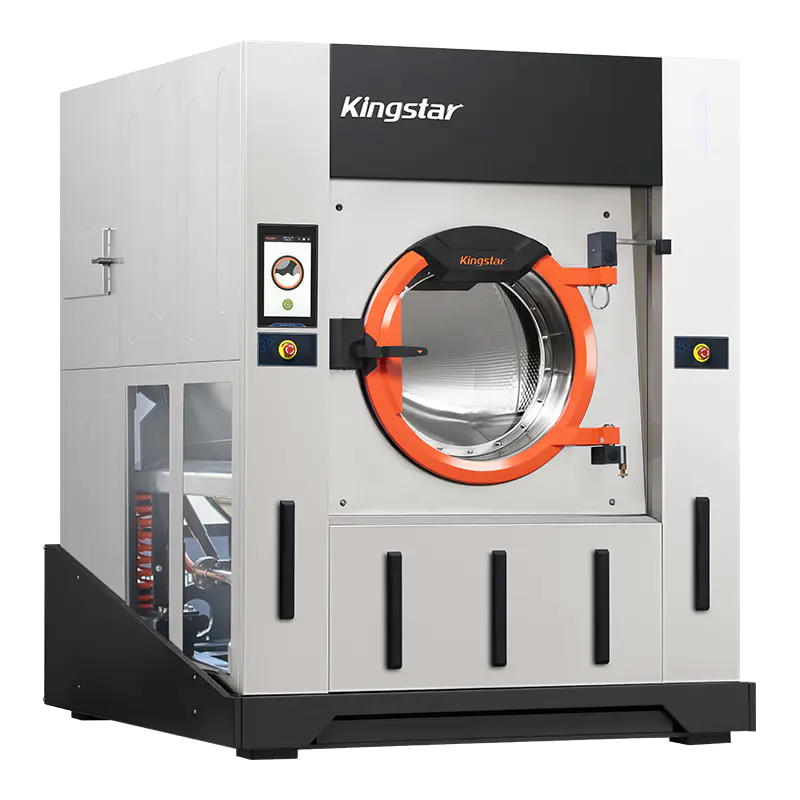
It can be used for the soaking pretreatment of garments. It can also be used with Kingstar industrial washers. It is not suitable for silk or colored clothes with poor color fastness due to its high alkaline feature. It is limited to removing industrial heavy-duty durable fabric stains.
● Low-temperature powdered enzyme
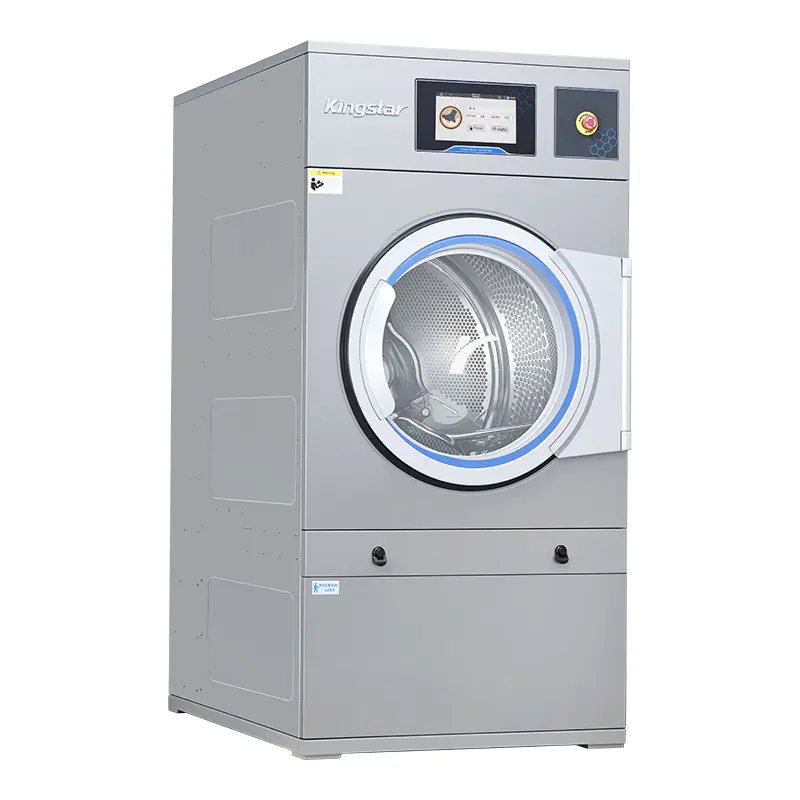
It is safer than the above enzymes. It is designed for silk and color-sensitive garments. It can be used for Kingstar wet cleaning machines and a spotting table. However, it has strict usage limits. The water temperature should be under 49℃. It can not be mixed with other acidic and alkaline chemicals. After applying, leave the fabrics to dwell for reaction for over 20 minutes without extra mechanical friction. The stains can be removed with the enzyme activity.
Ink Remover
Ink stains are difficult to remove. Specialized ink removers have different performances. High-quality ink remover can efficiently decompose pigments and resin components. It protects fabrics from corrosion and fading. Some highly corrosive ink removers have strong stain removal performance. But they are easy to cause irreversible damage (whitening) to acetate and triacetate fabrics. Besides, some ink removers can remove plastic-based stains and amyl acetate stains. While using it, it is necessary to follow the local chemical usage standards.
Oxygen Bleach
Oxygen bleach is often used for removing yellowing, whitening, and brightening of colored garments. The main types contain sodium perborate and sodium percarbonate. They are all alkaline chemicals. They can be used for wet cleaning, bleaching, and restoring garments. Sodium percarbonate has better cold-water solubility. It has a mild reaction and is user-friendly. It is safer than sodium perborate and is more suitable for daily usage.
Rust Remover
Rust remover is mainly for removing rust and metal oxidation stains. Hydrofluoric acid and oxalic acid are two common raw materials. Oxalic acid has stable rust removal performance. It is low-corrosive. It protects fabric fibers and doesn’t damage glass and metal accessories of garments. The comprehensive safety makes it suitable for wide usage in a laundry shop.
Conclusion
Overall, laundry shops should know the functions of some regular chemicals in order to select the proper stain removers. Only by grasping the correct usage methods based on ensuring the fabric safety can they maximize the stain removal performance and reduce after-sales risk.
Q&A
Q1: How does a new laundry shop select stain removers?
A1: Prioritize the leading brands with after-sales service. They have a proper formula tested by markets, a mature system, and professional usage guidance. After knowing more chemical principles, operators can select proper removers by formula.
Q2: Can the stained garments be washed directly with others in a Kingstar wet cleaning machine?
A2: It depends. For garments with water-soluble and slight stains, they can be washed together. For those with non-water-soluble and moderate stains, remove the stains first or wash them separately. Otherwise, they will contaminate the other garments or require rewashing. Protein stains are more difficult to remove after high-temperature washing.
Q3: If I want to open a laundry shop, can Kingstar provide professional guidance?
A3: Yes. Kingstar has more than 20 years of experience with many customer cases. It can provide proper solutions for customers.
ADD:No.388 Xinggang Road, Chongchuan District, Nantong City, 226000, Jiangsu Province, China.
-
Phone: +86-13917089379
-
Tel:+86-13917089379
-
Fax:+86-0513-85663366
-
E-mail:louislu@kingstarlaundry.com