英语
英语 俄语
俄语 西班牙语
西班牙语 德语
德语
Home / News / Industry News / Professional Stain Removal Guide for Laundry Shops: Standardized Procedures and Targeted Techniques (Part 2)

Kingstar is your trusted partner for industrial and commercial laundry equipment. We specialized in the R&D and manufacturing of high-end industrial washers, commercial washers and dryers. Meanwhile, we provide global clients with comprehensive planning, layout workflow design, and software-hardware integration services for smart laundry plants.
Industry News
Sep 18,2026
Professional Stain Removal Guide for Laundry Shops: Standardized Procedures and Targeted Techniques (Part 2)
In daily garment care, laundry shops often have difficulty removing various stubborn stains from garments. Conventional washing cannot completely remove these stains. Improper chemical dosage and procedures can easily cause color fading, fabric damage, and residual marks. This further triggers customer complaints. Some stains seem difficult to remove. Actually, by choosing the correct chemicals and following standardized procedures, they can be effectively removed without damaging garments.
This article will provide a stain removal guide for various stubborn stains. It covers different common stains in daily life, which is clear and practical. Combined with critical precautions, laundry operators can achieve targeted stain removal and garment protection.
Cleaning Methods for Common Stains
● Motor oil stains
Motor oil is a heavy industrial oil and grease. It is sticky, and it easily penetrates deep into fabrics. Saturate the stained area with premium gasoline. This helps completely dissolve motor oil. Then use perchloroethylene (PCE) to decompose the residual stains. Rub the stained area with a concentrated alcohol soap solution. It helps remove residual oil. It can also thoroughly remove the soil residues from fiber gaps.
● Collar stains
Sweat, grease, and dust stains often remain on collars. Collar stain removers can be used directly for light stains. Allow the treated area to sit for around 2 minutes, then rub the area. For hardened stains, apply an ammonia soap solution. It can gently break down protein- and grease-based stains. It can also quickly remove yellowing and dark stains.
● Lipstick stains
This type of stain contains grease, waxiness, and pigment. It easily causes color transfer. Gently wipe the stained area with a small amount of gasoline to dissolve waxiness and grease. Then apply an ammonia soap solution and rub thoroughly. This helps break down pigment residues. Stains can be thoroughly removed through conventional washing without residual marks.
● Chocolate stains
Chocolate contains grease and protein. The treatment is the same for dry and wet stains. Dissolve the surface grease with a professional solvent. Apply a concentrated soap solution to achieve pre-cleaning. Soak the stained area in a protease preparation for around 5 minutes. This can decompose protein residues. Then gently wipe the area with a 3% hydrogen peroxide solution. This can remove yellowing marks. Wash the treated fabrics with clean water and air dry them.
● Gentian violet stains
Gentian violet pigment easily adheres to fabrics and causes marks. The first step is to repeatedly rinse the loose surface color with clean water. Use glycerin to saturate the stained area for around 10 minutes. This helps soften pigment deposits. Then rub the stained area with a 10% ammonia soap solution. This can break down pigment. Finally, use a 3% hydrogen peroxide solution. This helps remove stubborn gentian violet stains.
● Carbon paper stains
Carbon paper pigment is classified as an oil-based dye. It can be removed by alcohol-based solvents. Completely saturate the stained area with alcohol. Allow it to sit for around 2 minutes. So the pigment dissolves. Then thoroughly rub it with an alcohol soap solution. This can decompose residual dyes. Marks can be removed by conventional washing.
● Urine stains
These stains contain urea and protein impurities. They easily cause fabric yellowing and bacterial buildup. Rinse the surface stain with clean water. Protein can be decomposed with a 10% ammonia solution. Then remove alkaline residues or yellow stains with a 10% acetic acid solution. A 3% hydrogen peroxide solution helps with oxidation and brightening. It can remove fabric yellowing and odors.
● Grass stains
These stains contain plant chlorophyll as well as oxalic acid deposits. Firstly, use a solvent thinner to dissolve plant pigment. Neutral detergents can be used for pre-cleaning. A 28% acetic acid solution can soften stains. Oxalic acid helps decompose residual chlorophyll. Then use a 3% hydrogen peroxide solution for oxidation and brightening. This helps remove green grass stains.
● Scorch marks
If these stains are generated by excessive heat exposure or high-temperature ironing, they are difficult to remove. Firstly, place garments in a ventilated area for moderate exposure to sunshine. This helps loosen damaged surface fibers. Then repeatedly wipe the scorch marks with a 3% hydrogen peroxide solution. Gently rub the scorch stains with a soap solution. This can gradually remove the shallow scorch marks.
● Glue stains
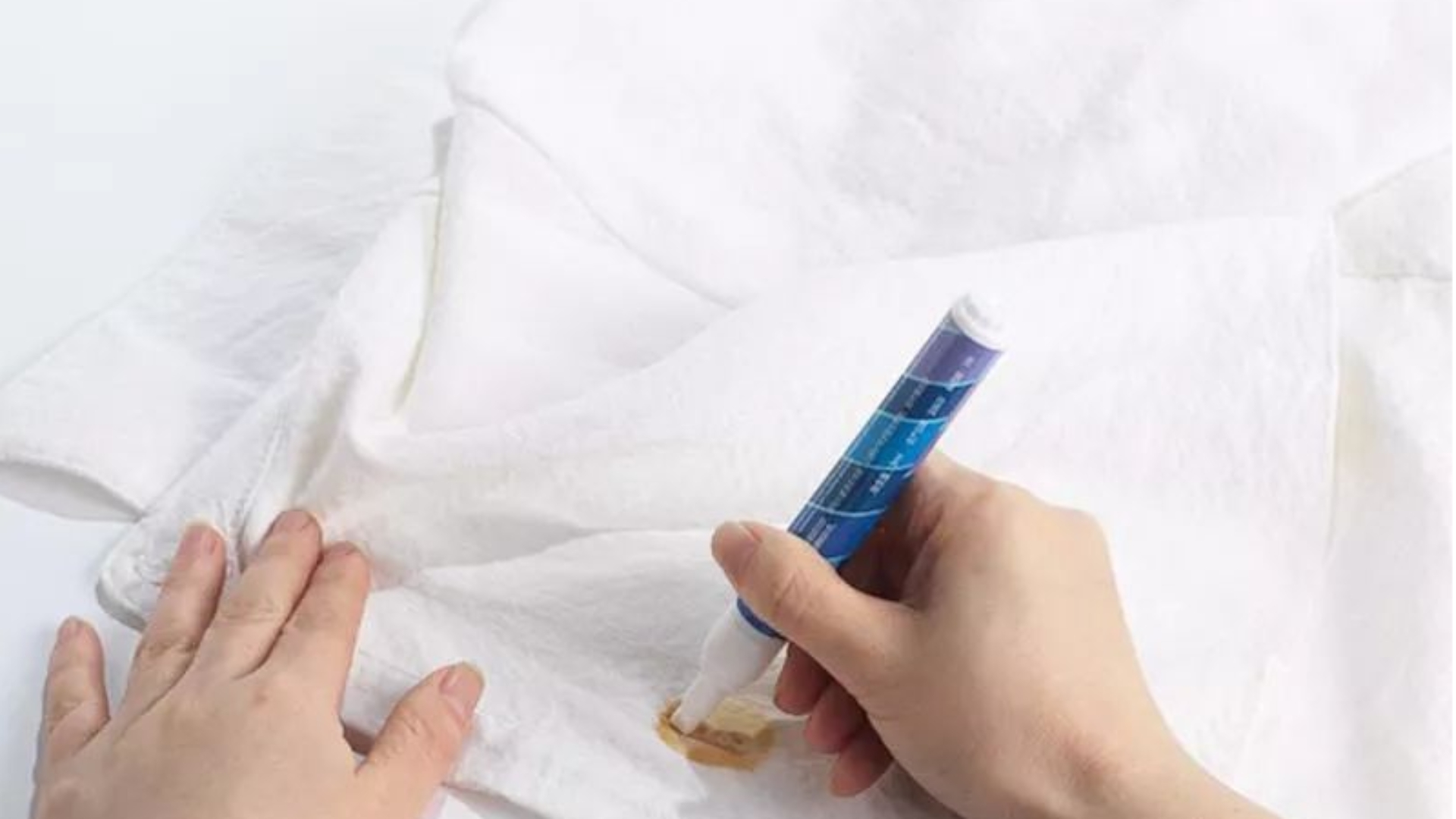
Water-soluble, common glue residues can easily harden and lump. Saturate glue stains with a 10% ammonia solution. This can soften the hardened glue. Allow the treated area to sit for 5 minutes, then rub it to loosen stains. Adhesive composition can be decomposed with protease. Then rinse the stained area with clean water. This can remove glue residues.
● Nail polish stains
Nail polish often contains resin and pigment. They are difficult to remove after drying and hardening. Saturate the stained area with a small amount of gasoline. This helps thoroughly dissolve the resin. Then apply an ammonia soap solution and rub to break down residual pigment. Thus, stubborn nail polish stains can be quickly removed.
● Perfume stains
Perfume contains essence and alcohol residues. It easily causes yellow stains on fabrics. Use glycerin to saturate stains and soften essence residues. Then remove unpleasant odor and pigment with a small amount of acetic acid. Gently rub the treated area before washing to remove stains and residual fragrance.
● Milk stains
Protein is the main component of milk stains. This type of stain easily turns yellow after drying. It requires no complex stain removers. Saturate the stained area with protease. Allow the treated area to sit for around 3-5 minutes. Protein in milk stains can be completely broken down. Gently rub the fabric, then rinse with clean water. Thus, no yellow stains remain on fabrics.
● Chewing gum stains
Chewing gum is highly adhesive. Saturate chewing gum stains with perchloroethylene (PCE) to completely dissolve the adhesive structure. When it becomes soft and loose, slightly peel it off and wipe to achieve thorough removal. This can prevent damage to fabric.
● Tomato sauce stains
Tomato sauce contains plant pigment and protein pulp residues. Apply protease preparation to the stained area. This can decompose pulp protein and adhesive residues. Allow the treated area to sit for a certain time, then gently rub it. This can effectively remove red stains.
● Vomit stains
These stains are complex and contain grease, protein, and acidic impurities. Dissolve the surface grease residues with gasoline. Then use a 5% ammonia solution to decompose protein stains and remove unpleasant odors. Finally, apply an alcohol soap solution to achieve deep cleaning and complete stain and odor removal.
● Shine marks
Improper ironing easily leads to shine marks on garments. They are a type of surface appearance defect. Evenly apply a 25% glacial acetic acid solution to the shiny area. Maintain the garment temperature at 50-60℃. Iron the garment with a steam brush at a constant speed. This helps restore fabric fibers. It can also remove shine marks.
● Poster paint stains
This type of stain is caused by water-based pigments. It contains pigment and adhesive residues. Rinse the loose surface color with clean water. Apply an ammonia water soap solution to break down dyes and adhesive residues. Then treat the deep residual pigment with protease. After rubbing, remove graffiti or poster paint stains with regular washing.
● Printing ink stains
Printing ink is heavily oily and has stable pigment. Firstly, saturate the stained area with glycerin. This helps soften and dissolve oily pigment. Then apply an ammonia water soap solution and rub the stains. This can break down oil stains and pigment residues. After rinsing, the fabric can become clean without stain residues.
Critical Precautions
The key to professional cleaning is garment protection first and stain removal second. Chemicals have usage limitations. Inappropriate procedures easily cause garment color fading, damage, and stiffness. Laundry shops often face these cleaning challenges. Thus, laundry operators should strictly follow the points below.
● Do not misuse high-concentration chemicals
A 28% acetic acid solution is highly corrosive. It can directly dissolve acetate fabric and lining. Do not use this solution to clean acetate garments. This helps prevent fabric damage and holes. Alcohol can damage dye molecules and cause silk fabrics to turn white. Do not use alcohol-based chemicals to treat silk garments. Test on an inconspicuous area before cleaning other fabrics with alcohol.
● Precise treatment for stains
Do not rewash garments with color transfer issues. Sodium dithionite is suitable for this special decolorization. It can address color transfer issues while protecting garments. Common ballpoint pen ink stains require no complex chemical formulation. Wipe the stained area with a professional solvent or solvent thinner. This can remove stains quickly and effectively.
● Overall garment care
The key to professional stain removal is standardized procedures, precise chemical formulation, and proper manual techniques. Firstly, choose proper chemicals based on fabric and stain types. Avoid one-size-fits-all cleaning methods. Strictly follow the above procedure rules. This not only removes various stubborn stains but also protects garment fabrics. Meanwhile, this significantly increases the wash quality rate. It also effectively reduces garment damage and customer complaints.
Q&A
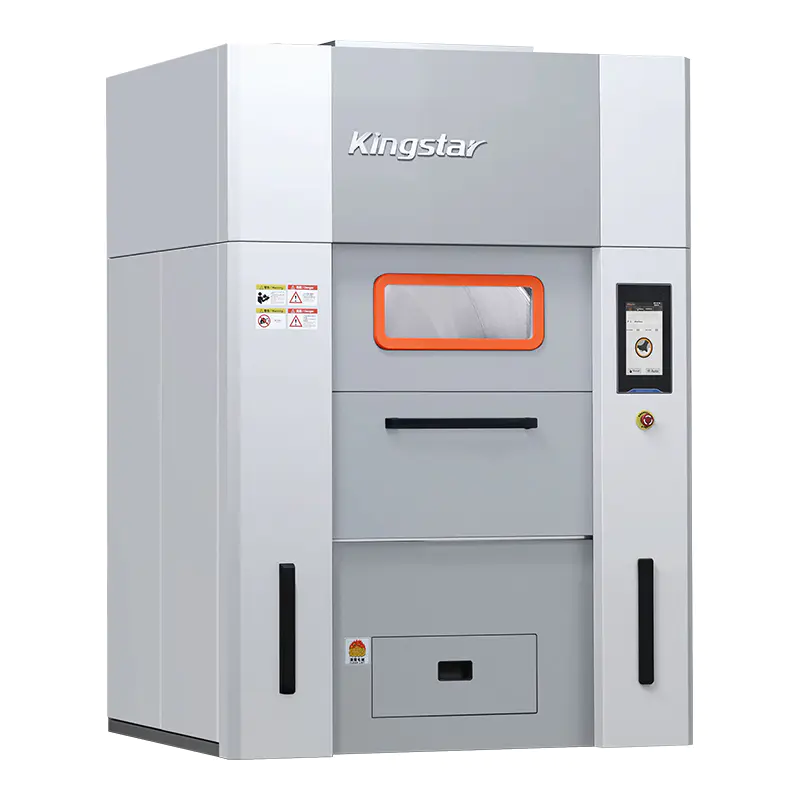
Q1: What stains can be removed by Kingstar wet cleaning machine without manual treatment?
A1: Kingstar wet cleaning machines have specialized cleaning programs for large stained areas (such as mildew stains on seasonal garments and yellow stains).
Q2: What benefits can wet cleaning machines bring to laundry businesses?
A2:
Reduce the need for hand washing. Reduce the reliance on staff's experience and skills.
It is more eco-friendly. Laundry shops no longer worry about solvent emissions, such as perchloroethylene (PCE) solvents.
Improve garment hand feel after washing and customer satisfaction.
Wet cleaning machines have many functions. They can meet the water cleaning requirements of regular garments. Meanwhile, they can meet the delicate washing requirements of high-end fabrics. They improve equipment utilization.
ADD:No.388 Xinggang Road, Chongchuan District, Nantong City, 226000, Jiangsu Province, China.
-
Phone: +86-13917089379
-
Tel:+86-13917089379
-
Fax:+86-0513-85663366
-
E-mail:louislu@kingstarlaundry.com
products