英语
英语 俄语
俄语 西班牙语
西班牙语 德语
德语
Tips for Laundry Shops: Soap Powder and Liquid Soap
A laundry shop should have an understanding of laundry chemicals, powder, and detergents, besides fabric knowledge and stain-removal methods. Selecting the proper laundry detergents and grasping the correct methods can not only remove stains from garments, but also protect skin and save water.
This article will introduce the soap powder and liquid soap, helping laundries clarify the differences, methods, and storage common sense between them and traditional detergent powder.
Differences Between Soap Powder & Detergent Powder
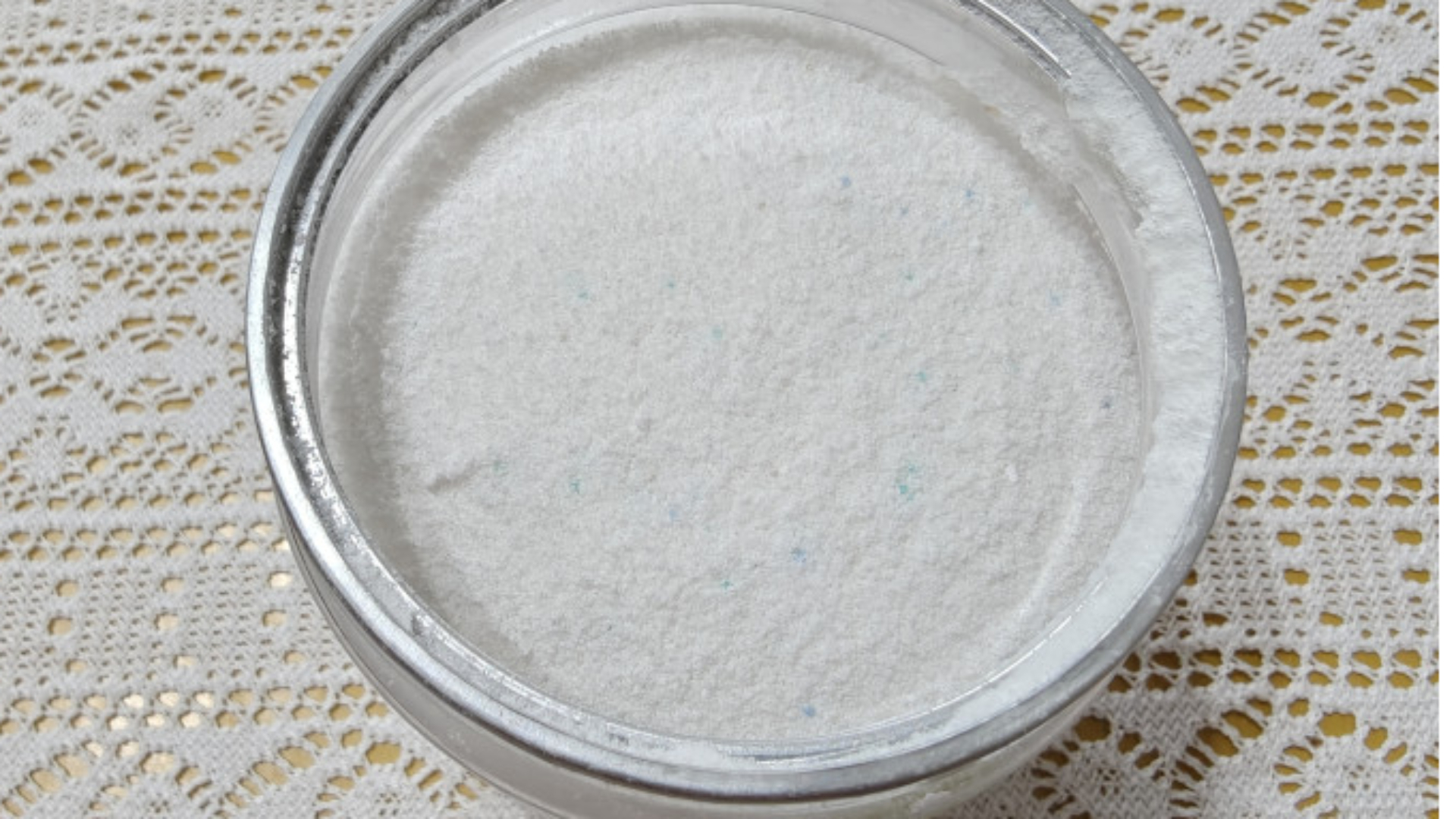
Surfactant, the key component of common detergent powder, is synthesized by petroleum-based raw materials in multiple chemical processes. The main active ingredient of soap powder comes from natural vegetable oils. It is made from a simple saponification process. The differences in raw materials bring completely different results.
Soap powder with a mild formula reduces fiber damage on garments, delivers a fabric-softening effect, and is gentle on sensitive skin. When used in hard water, it will form calcium soap. It has an anti-foaming property. Low-foam formula makes rinsing faster, saves water and time, and also reduces rinsing workload. Detergent powder has strong stain-removal performance. It is suitable for hard water, which can produce rich foam. It is a cost-effective product.
Similarities of Soap Powder & Detergent Powder
Soap powder and detergent powder are both powder laundry products. Their formulas contain functional ingredients, including water-softening agents, anti-deposition agents, brighteners, enzymes, and bleaching components. They have similar working principles. They depend on surfactant to reduce water surface tension and remove stains. Combined with detergent builders, they can soften water and trap soils, avoiding the redeposition of stains. Their daily usage methods and dosage are also the same.
Usage Methods of Soap Powder
Many people find that soap powder is easy to float on the surface of the water. This is a normal physical phenomenon. When dissolving, soap forms a colloid to block particle pores and slow down the water penetration. Air inside the particles discharge slowly, causing the powder to float. In daily usage, it can be dissolved by stirring in advance or dissolving in warm water. The floating phenomenon doesn’t occur in the washer.
In order to deliver the outstanding washing performance, laundry shops should use the correct method. When washing by hand, pour soap powder into water and fully stir to dissolve. Soaking garments in warm water for 15 to 20 minutes before washing delivers better results.
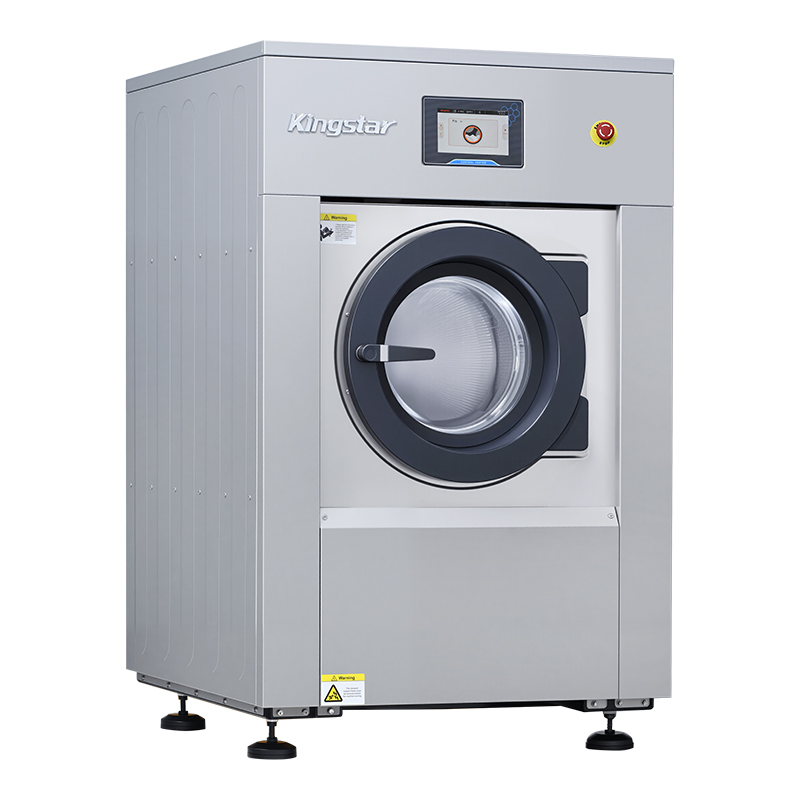
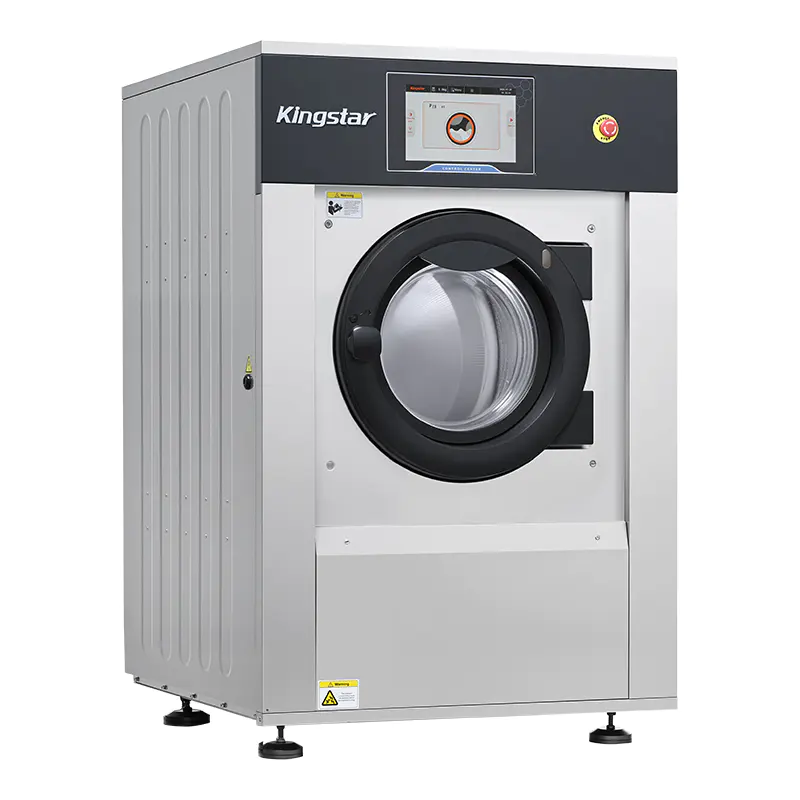
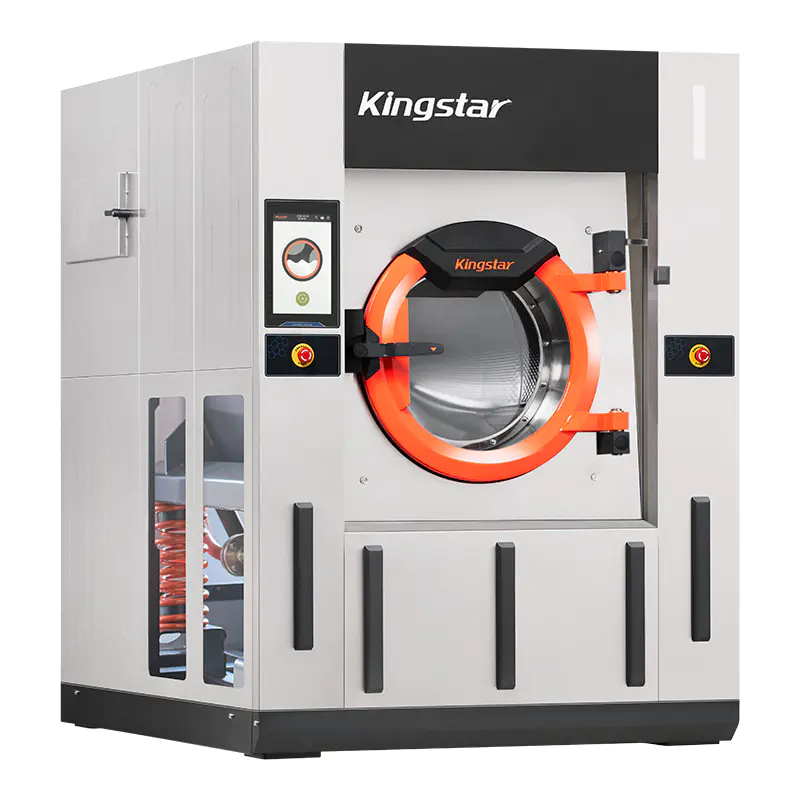
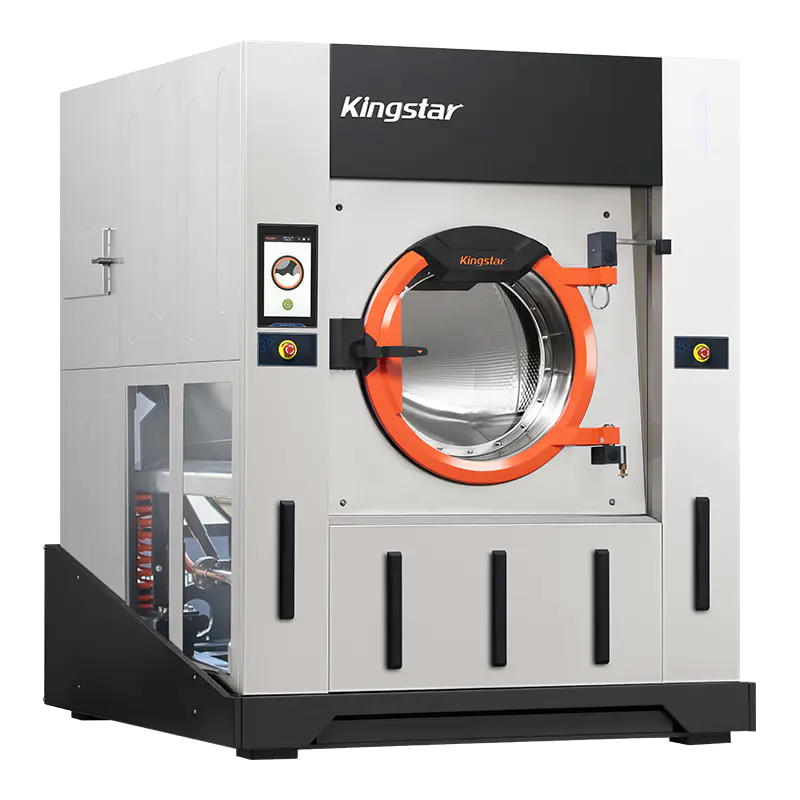
The enzyme-added soap powder is suitable for washing in warm water. It can maximize the enzyme activity. The water temperature should be under 60℃. High heat causes enzyme deactivation. When using a Kingstar industrial washing machine, the method is the same as that of common detergent powder. Set the washing parameters of the procedure, such as water temperature and mechanical action, in advance.
Misunderstandings of Soap Powder
Many people think that less foam means poor stain-removal performance. Actually, the foam level has no direct connection with the stain-removal performance. On the contrary, if there is too much foam, soap will be added to control foam. Soap powder is based on soap, the core component. Its low-foam or foam-free properties efficiently remove stains from various garments.
Meanwhile, laundry shops should avoid the dosage misunderstandings. The washing results will not be improved with the increasing dosage of soap powder. When the detergent concentration is up to 0.2~0.4%, the cleaning performance reaches its peak. Overdosing only adds the rinse cycles, causing water cost and detergent waste. Therefore, don’t add detergents blindly due to low foam.
Storage Methods of Soap Powder
Soap powder and detergent powder should be protected from moisture and sunlight. It should be kept in a cool and dry place. Seal the package after each usage to avoid a low dissolution rate caused by moisture absorption and caking. For enzyme-added soap powder, moisture absorption will deactivate the enzyme, directly reducing the cleaning performance.
Liquid Soap
The main material of liquid soap is vegetable oil. It is made from potassium hydroxide, which is different from the animal fat and sodium hydroxide in traditional soaps. Combined with surfactant and chelating agent, its solubility and transparency have been improved. Low foam makes it easy to rinse.
Liquid soap is mildly alkaline. It applies to washing cotton, linen, and synthetic fabrics rather than protein-based fabrics such as silk and wool. It has excellent stain-removal performance. It is made from renewable materials. Liquid soap is produced by a simple manufacturing process and has lower energy consumption. It is also biodegradable, safe, and non-irritating. It is a good washing choice for laundry and environmental protection.
Q&A
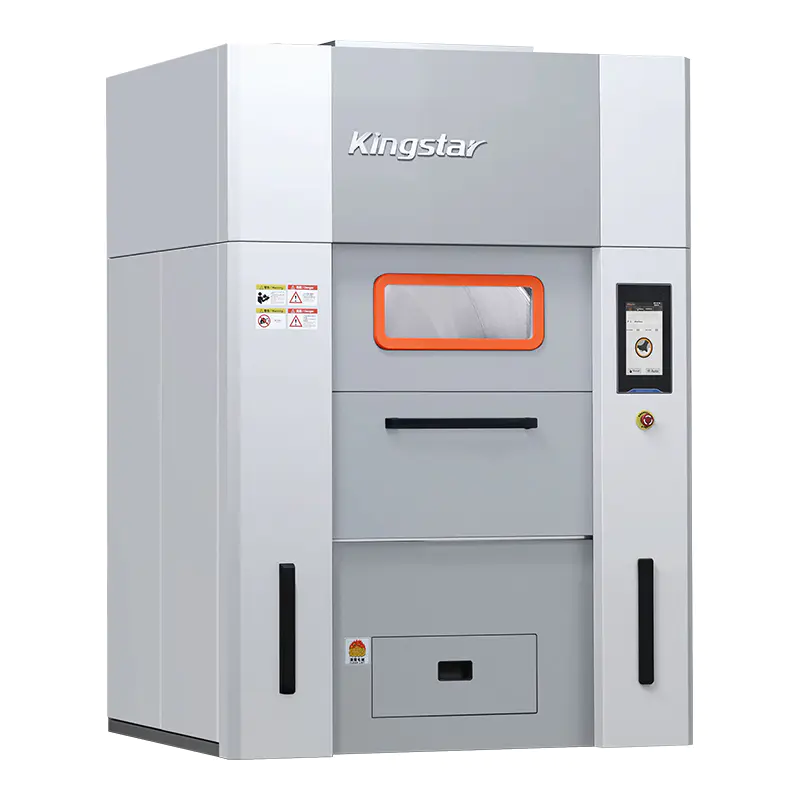
Q1: How does a Kingstar wet cleaning machine add powder detergents?
A1: There is a detergent dispenser box above the machine. Add the powder before washing, then select the soap cup in the program. The powder will be automatically dosed during the laundry process.
Q2: Which one has better washing results, liquid or powder detergents?
A2: It depends on the concentration of the active components. But powder detergents can be dissolved completely at a specific temperature. Low temperature will cause incomplete dissolution, delivering poor washing results.
Q3: How many chemical dosing channels can a Kingstar wet cleaning machine support?
A3: It can support 8 chemical dosing channels.
ADD:No.388 Xinggang Road, Chongchuan District, Nantong City, 226000, Jiangsu Province, China.
-
Phone: +86-13917089379
-
Tel:+86-13917089379
-
Fax:+86-0513-85663366
-
E-mail:louislu@kingstarlaundry.com