英语
英语 俄语
俄语 西班牙语
西班牙语 德语
德语
Home / News / Industry News / USD 190,000 to Open vs. USD 6,400 to Acquire: Hidden Risks Behind Japan Laundromat Acquisition

Kingstar is your trusted partner for industrial and commercial laundry equipment. We specialized in the R&D and manufacturing of high-end industrial washers, commercial washers and dryers. Meanwhile, we provide global clients with comprehensive planning, layout workflow design, and software-hardware integration services for smart laundry plants.
Industry News
Oct 06,2026
USD 190,000 to Open vs. USD 6,400 to Acquire: Hidden Risks Behind Japan Laundromat Acquisition
In Japan’s self-service laundry trading market, investment costs are quite different. In Tokyo, opening a 13-square-meter franchise store requires 30 million yen (USD 190,000) in equipment and construction costs. The total investment is 38 million yen (USD 243,000), excluding the rental deposit. However, the asking price of a laundromat in Kisarazu City, Chiba Prefecture is only 1 million yen (USD 6,400). The store is located in a parking area of a home building materials center. The equipment was produced in 2020. The store also uses a remote revenue monitoring system. But it has been operating at a loss. The price difference reflects hidden risks behind existing laundromat acquisitions. For global investors who plan to acquire existing stores, they provide valuable insights.
Different Trading Solutions
Low asking prices attract many investors. They believe that they can acquire mature stores at low costs. But a low asking price does not mean low-cost acquisition. The store in Chiba Prefecture with a price of 1 million yen (USD 6,400) has two trading solutions: continuing to operate or buying equipment and relocating.
If investors only buy equipment and relocate the store, they should undertake site restoration and equipment dismantling and installation costs. Site restoration fees are expected to be 1 to 1.5 million yen (USD 6,400–10,000). Equipment relocation fees are 0.3 million yen (USD 2,000). If they only relocate equipment and restore the site, the investment reaches 2.3-2.8 million yen (USD 15,000–18,000) (excluding equipment transportation, reinstallation, and maintenance costs). If investors continue to operate, they should undertake rent, deposit, and business pressure.
Hidden Risks
- Profit difference
Some operators have store and maintenance teams. For them, a low asking price can be seen as a channel for used equipment purchasing. But for newcomers, the risk of acquiring existing stores is converted into that of taking over and dealing with old sites. The asking price of another store in Ibaraki Prefecture is 1 million yen (USD 6,400), with an additional 0.6 million yen (USD 3,800) security deposit and real estate brokerage fees. Air conditioners are removed by the original owners. Most equipment was purchased in 2007, and one of them has broken down. The transfer checklist should include equipment ownership, supporting facilities, and deposit responsibilities.
The store profit is quite different with the same asking price. On the small and medium-sized business trading platform of BATONZ, two stores in Chiba Prefecture have the same asking price: 6 million yen (USD 38,000). The annual profit of one store is 1.65 million yen (USD 10,500), while the other has higher revenue. But its annual profit is 0.38 million yen (USD 2,400). This means sales revenue cannot reflect profitability. The key factors of cash flow are rent, equipment aging, and maintenance costs.
- Store valuation
The common misconception is the owner’s unpaid labor. The annual sales revenue of a store in Fukushima Prefecture is 11.2 million yen (USD 71,000). The annual profit is 6.07 million yen (USD 38,500). It has no formal staff. The simple payback period is 3.6 years. According to the data, the owner provides wash-and-fold services six days a week. He does cleaning, payment collection, and client maintenance. These labor costs are not included in business fees. Based on local labor prices, the labor costs are 2.81-3.28 million yen (USD 18,000–21,000). The real store revenue significantly declines after accounting for labor costs. The no-employee model does not mean no labor investment is required. Wash-and-fold services can increase store revenue and introduce labor costs.
- Equipment upgrades
Equipment upgrade risks also exist in the existing stores. In Hanamigawa Ward, Chiba City, a store’s asking price is 4.5 million yen (USD 28,600). The annual revenue is 6.45 million yen (USD 40,900). The business profit is 1.422 million yen (USD 9,000). The simple payback period is 3.2 years. This seems to be attractive. But the store was opened in 1999. The production years of multiple machines are unclear. A 16 kg washer has broken down. It cannot be repaired due to unavailable original spare parts. The original owner is not willing to invest in updating equipment. Thus, the buyer should undertake equipment replacement expenses. It should also assess whether the current customer traffic can support equipment upgrade investment. During the period of replacing equipment, original clients may choose other competitors. They should also assess how long the remaining equipment can stably operate when equipment is replaced in batches.
- Rent
The asking price of a store in Tochigi Prefecture is 8.5 million yen (USD 54,000), including building, equipment, and operating rights. The land is leased from the landowner at a low rent. The lease will end in 2029. At that time, the land should be restored. The seller says the lease can be renewed for ten years without written confirmation. Thus, revenues cannot be calculated based on low rent. Dismantling and restoration costs should be included.
Actual Financial Model
Besides various hidden costs, investors should understand self-service laundry’s actual financial model. The self-service laundry business has advantages in prepaid revenue, no inventory, and no need for front-desk staff. But it requires higher initial investment. Equipment should be replaced at a certain time. The renovation and adjustment costs are also higher.
When assessing stores, three indicators - business revenue, operating cash surplus, and long-term distributable cash flow should be separated. Loan principal is not an operating expense in the profit. But it should be paid back in cash. Depreciation is a non-cash expense item. But upgrade expenses caused by equipment aging are rigid cash expenses. Opportunity costs should not be overlooked. If rent revenue from the property is close to the laundry shop’s profit, the equipment investment and operational risks are meaningless.
Kingstar Advantages
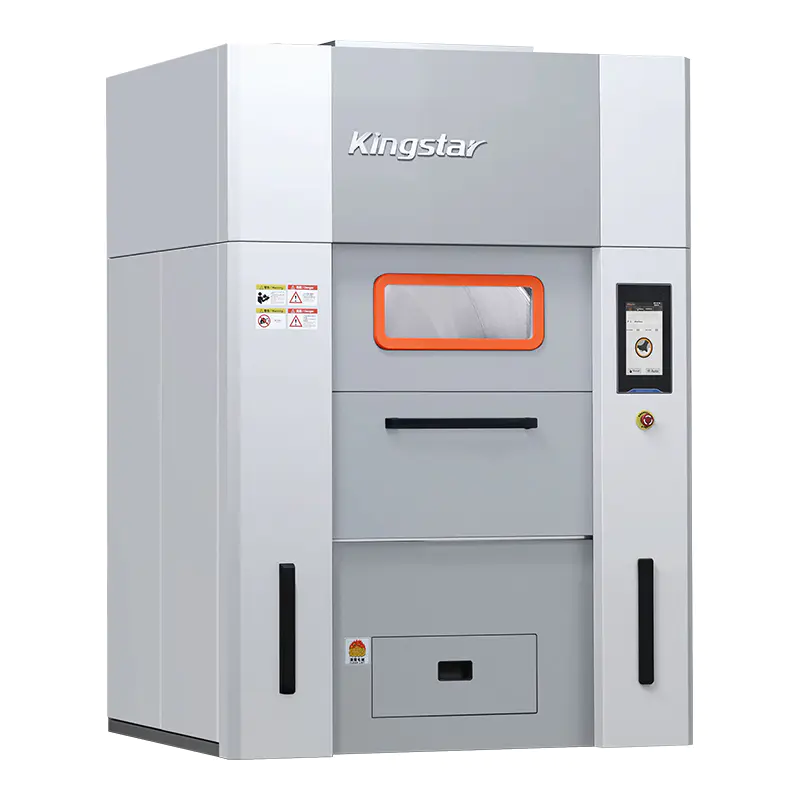
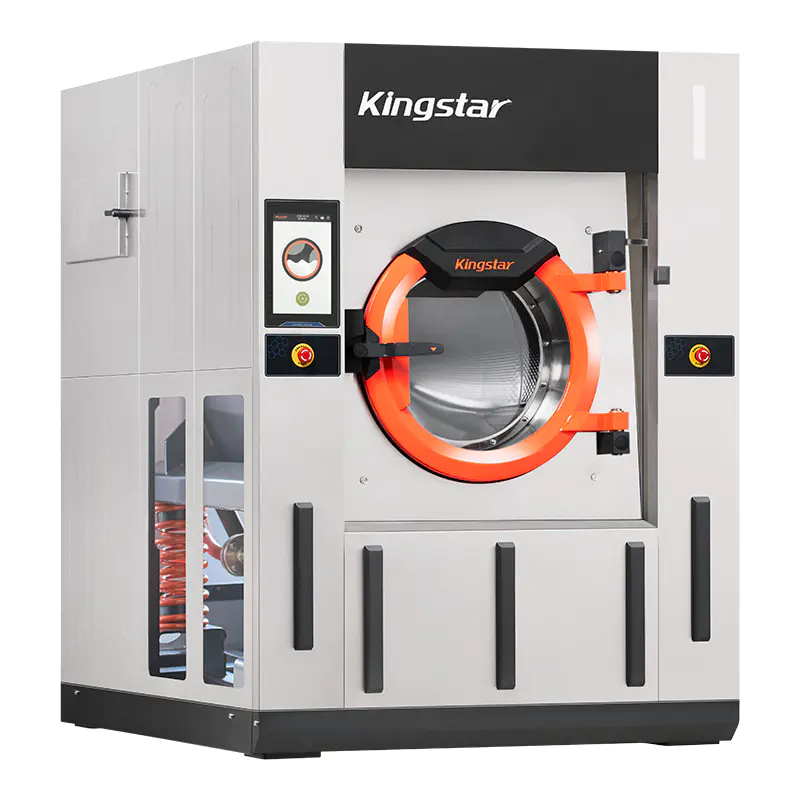
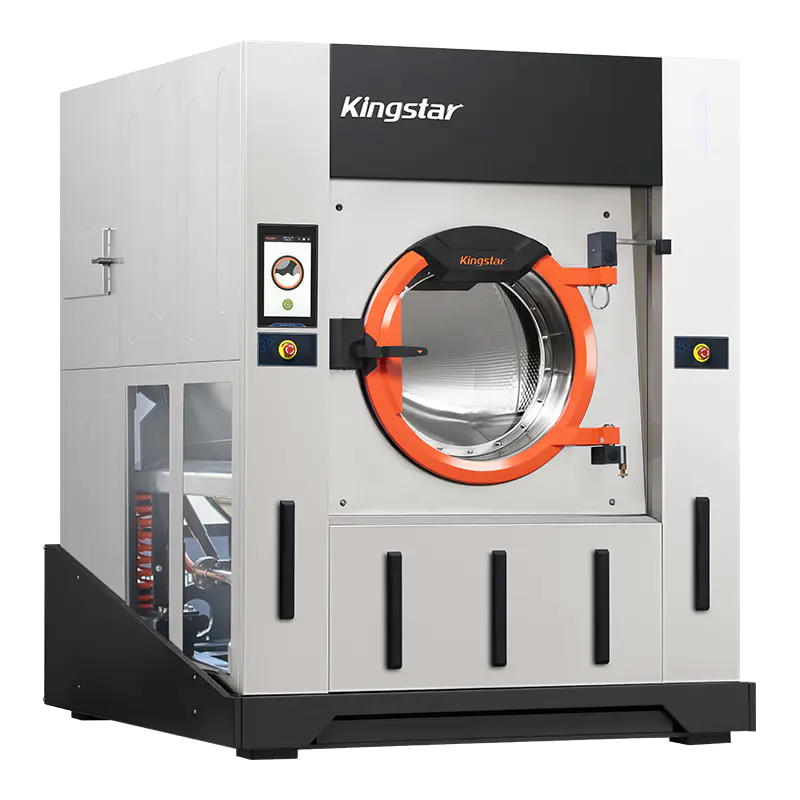
Kingstar provides a full range of commercial wash-dryers and wet cleaning machines. It deeply understands the pain points of renovating existing stores. The root cause of loss is equipment aging, lack of spare parts, and high maintenance costs. Kingstar commercial laundry equipment uses universal component design. It has a long service life and can reduce maintenance costs. High-end wet cleaning machines can help expand delicate fabric care services. Thus, stores can move away from low-price basic laundry competition. Whether building new stores or upgrading existing stores, Kingstar can provide complete equipment solutions for global laundry operators.
Conclusion
When buying existing laundromats, do not compare the price difference between new stores and existing stores. Low-price stores may have the risk of lease, equipment replacement, labor costs, and site restoration. The key to acquisition is not low price, but assessing whether asset prices are safe after calculating all potential responsibilities.
Q&A
Q1: Why can many existing stores not make money even with high profits?
A1: Their profit does not include free owner labor costs, equipment depreciation, and preserved equipment replacement fees. Owners get limited returns by exchanging their time. These are not actual asset revenues.
Q2: What are the challenges of buying an existing store?
A2: There are five hidden risks: aging equipment, machines with no spare parts, expiring leases, hidden site restoration, and original losses.
Q3: What data should be focused on for a laundromat’s actual profitability?
A3: Do not focus on sales revenue or monthly peak-season figures. Focus on long-term distributable cash flow after removing labor costs, rent, maintenance, loan, and equipment upgrade costs.
ADD:No.388 Xinggang Road, Chongchuan District, Nantong City, 226000, Jiangsu Province, China.
-
Phone: +86-13917089379
-
Tel:+86-13917089379
-
Fax:+86-0513-85663366
-
E-mail:louislu@kingstarlaundry.com
products